 Skip to content
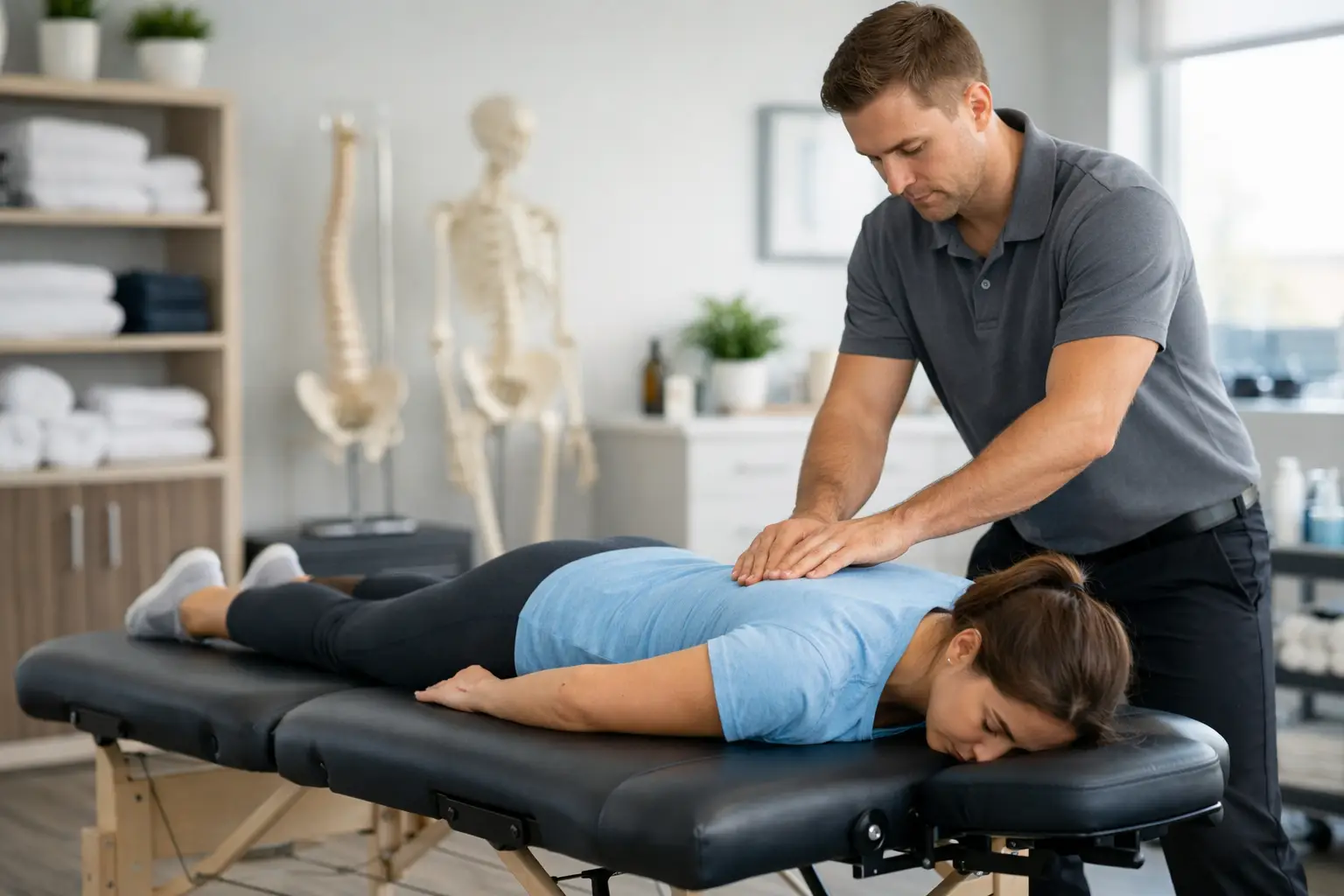
A massage appointment should do more than give you an hour away from your schedule. The best Niagara massage studios help you leave with less tension, easier movement, and a clearer sense of what your body needs. Whether your shoulders are tight from desk work, your hips feel restricted after training, or your back has been carrying too much for too long, the right studio makes the experience personal.
For people across St. Catharines and the Niagara Region, the most useful question is not simply, “What type of massage is available?” It is, “Will the therapist listen, adapt the session, and focus on the areas that are affecting my daily life?”
What Makes a Massage Studio Worth Booking
A calming room matters, but it is only the starting point. A high-quality massage studio combines a clean, comfortable setting with thoughtful, skilled bodywork. You should feel welcomed, heard, and at ease before the session begins.
The therapist should ask about your goals. Maybe you want to relax after a stressful week. Maybe you are dealing with recurring neck and shoulder tightness, sore legs after a long shift, or limited flexibility that is getting in the way of exercise. These details shape the session.
Personalized care also means knowing that pressure is not the whole story. Deeper work can be helpful for some tight muscles, but effective massage is not about pushing through discomfort. The best sessions balance focused pressure, careful pacing, and techniques that help the body relax instead of brace against the work.
A clear conversation before the session
A studio that takes time for a brief consultation often delivers a more useful treatment. Your therapist should understand where you feel tension, what movements are difficult, what kind of pressure you prefer, and whether you are looking for recovery, relaxation, or a mix of both.
That conversation can change throughout the appointment. If an area feels too sensitive or a technique is not right for you that day, you should feel comfortable saying so. Good massage therapy is collaborative. Your feedback helps guide the work.
Techniques that match your goals
Many people book the same style of massage every time because it is familiar. There is nothing wrong with that, but different needs can call for different approaches.
Swedish oil massage is often a good fit when you want broad relaxation and relief from general muscle tension. It can be especially welcome after a demanding week, when the whole body feels tired rather than one area needing focused attention.
Traditional Thai massage takes a different approach. It is typically performed fully clothed and uses assisted stretching, rhythmic pressure, and acupressure-inspired techniques. For people whose hips, legs, back, or shoulders feel stiff, Thai massage can support flexibility and range of motion while still creating a deeply calming experience.
Combination sessions can be especially practical. A Thai-Swedish massage may include stretching for restricted areas alongside oil-based work for sore muscles. Hot stone massage adds sustained warmth that can help the body settle, making it a thoughtful choice when you are carrying widespread tightness. Cupping may be added to an oil massage for clients who want targeted work around stubborn areas of muscular tension.
There is no single best modality for every person. Your work, activity level, comfort preferences, and current tension patterns all matter.
How to Compare the Best Niagara Massage Studios
When comparing studios, look beyond a service name or a beautiful treatment room. The details around the appointment often reveal whether a business is built around client care.
Start with how clearly services are explained. You should be able to understand what happens during the treatment, whether oil is used, whether you remain clothed, and what the intended benefits are. Straightforward descriptions make it easier to choose without guessing.
Then consider session length and pricing. Transparent duration-based pricing is helpful because it lets you choose the amount of time that suits your needs. A shorter appointment may be appropriate for a focused area, while a longer session can give your therapist time to address several connected areas, such as the neck, shoulders, upper back, hips, and legs.
Availability matters too. An appointment-based studio that offers convenient online booking makes regular care easier to maintain. For many clients, consistent sessions are more useful than waiting until tension has built up to an uncomfortable level.
Finally, pay attention to the language used in client feedback. The most meaningful reviews often mention being listened to, feeling comfortable, receiving tailored pressure, or noticing easier movement afterward. Those experiences point to attentiveness, not just a standard routine repeated from person to person.
For desk-related neck and shoulder tension
Long hours at a computer can leave the neck, shoulders, chest, and upper back feeling tight and fatigued. A helpful massage session does not focus on one sore spot alone. It considers how these areas work together and can include work around the shoulders, upper back, arms, and chest, based on your comfort.
If you spend most of the day sitting, Thai stretching may also feel beneficial. Gentle assisted movements can help you reconnect with positions that have become uncomfortable, especially through the shoulders, hips, and back.
For active people and athletes
Training, recreational sports, and physically active jobs ask a lot of the legs, hips, knees, and lower back. Massage can support recovery by helping reduce the feeling of muscle tightness and encouraging circulation after demanding activity.
The right approach depends on timing. A deeply relaxing session may be welcome after a hard week of training, while a more targeted combination of Thai stretching and focused bodywork can be useful when mobility is the priority. Tell your therapist about your sport, training schedule, and the movements that feel restricted so the session can match your goals.
For full-body stress and fatigue
Sometimes there is no single problem area. Your body simply feels like it has not had a chance to rest. In that case, Swedish oil massage or hot stone massage may be a better fit than a highly targeted session.
Warmth, steady pressure, and a slower pace can help ease the physical effects of stress. You may still ask the therapist to spend extra time where you carry tension, but the focus remains on helping the whole body settle.
Why Authentic Thai Massage Stands Apart
Thai massage is often a strong option for people who want both relaxation and movement support. Rather than relying only on oil-based strokes, it blends pressure with assisted stretching. This gives the session a more active feel while remaining calm and grounded.
Because traditional Thai massage is performed fully clothed on a raised table, it can be particularly comfortable for clients who prefer not to use oil. The therapist can adapt stretches to your flexibility and use focused pressure along areas that feel tight, such as the back, hips, glutes, legs, and shoulders.
At Warin Thai Massage in St. Catharines, Joy combines authentic Thai techniques with Swedish massage, hot stone treatments, and cupping options to create sessions around each client’s needs. That flexibility is valuable when you want more than a one-size-fits-all treatment.
Thai massage is not necessarily the best choice for every visit. If your primary goal is quiet, oil-based relaxation, Swedish or hot stone massage may be more suitable. If you feel stiff, compressed, or limited in your movement, Thai techniques may offer the balance of stretching and focused pressure you are looking for.
Getting More From Your Massage Appointment
You do not need to arrive with a perfect explanation of what is wrong. A few honest details are enough. Mention where you feel tightness, what activities make it worse, how long it has been bothering you, and what you would like to feel differently after the session.
Wear comfortable clothing if you are booking traditional Thai massage. If you choose an oil-based service, arrive a few minutes early so you do not feel rushed. Take a moment after your treatment before returning to a busy day. Notice how your body feels when you stand, turn your head, or walk.
One session can be restorative, but regular care may be more helpful when tension keeps returning. Your therapist can help you decide whether a maintenance routine makes sense for your schedule and goals. The right frequency is personal. It depends on your activity level, stress load, and how your body responds to treatment.
The best studio is one where you feel comfortable speaking up, confident in the therapist’s skill, and supported in the goal that brought you through the door. Book your session online and give your body time to feel better, move better, and breathe a little easier.
Leave a Reply