 Skip to content
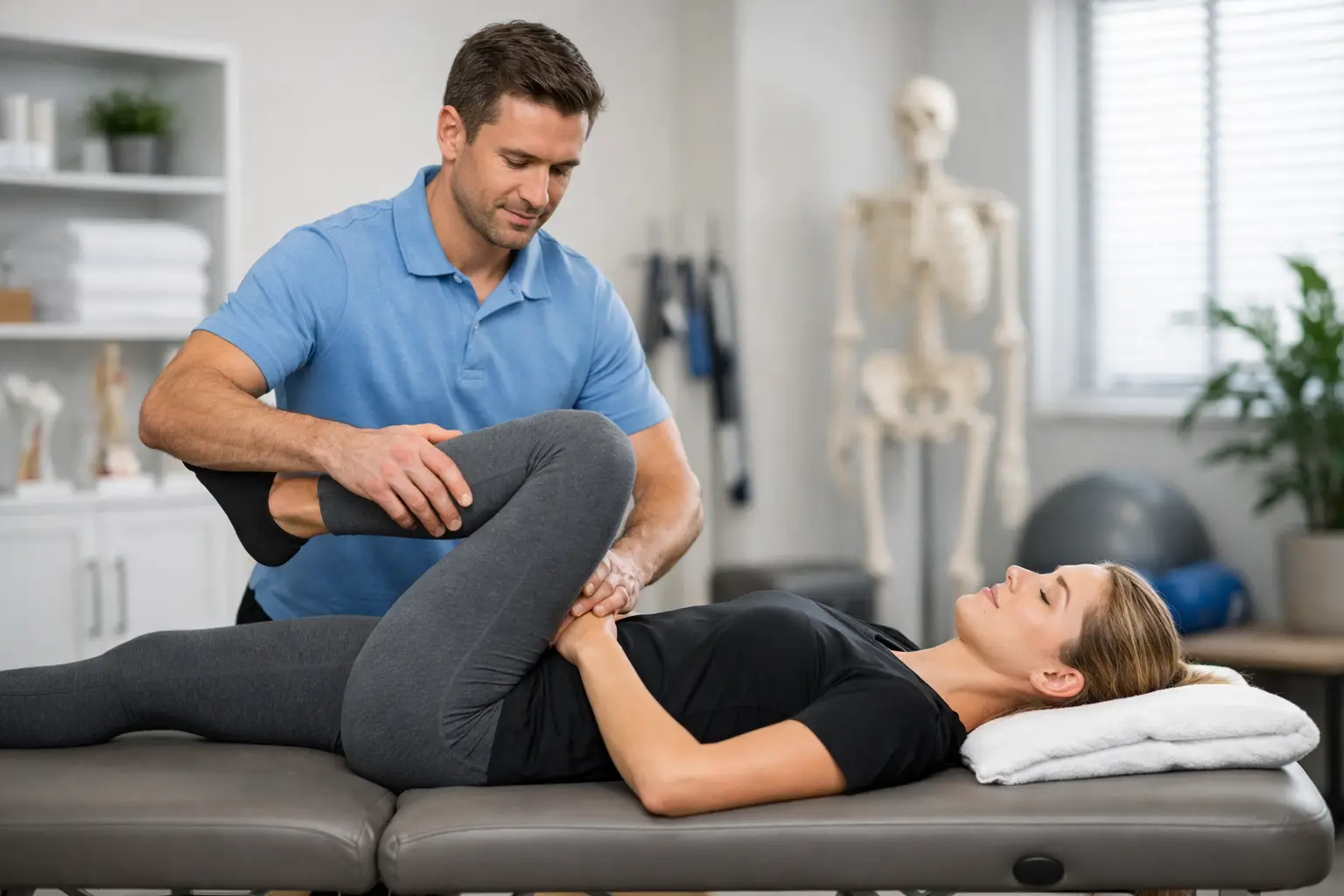
A stiff hip that makes getting out of the car awkward. Shoulders that creep toward your ears after a day at the desk. Calves that still feel tight two days after a run. Massage stretching benefits can be especially meaningful in these everyday moments because the work addresses both muscle tension and the way your body moves.
Traditional Thai massage is known for combining focused pressure with guided, assisted stretches. Rather than asking you to force a position on your own, the therapist supports your body and gradually moves it through a comfortable range. The goal is not to push harder. It is to help tense areas soften so movement can feel easier, steadier, and more natural.
What Is Massage Stretching?
Massage stretching brings hands-on bodywork and intentional stretching together in one session. In a Thai massage, the therapist may use palms, thumbs, forearms, or gentle pressure along tight muscles before guiding a leg, arm, shoulder, or torso into a stretch.
This sequence matters. A muscle that is guarding or overworked often resists a stretch. When careful massage techniques help reduce that feeling of tightness first, the body may be more receptive to gradual movement afterward.
Assisted stretching is different from passive stretching at home. You are not trying to balance, reach, or pull yourself into position. The therapist pays attention to resistance, breathing, and comfort, then adjusts the angle and intensity for your body. At Warin Thai Massage, traditional Thai techniques are performed fully clothed on a raised table, making the experience supportive and accessible for many clients.
Massage Stretching Benefits for Tight, Tired Bodies
The value of massage stretching is not limited to feeling relaxed during the appointment. For people who sit, lift, train, drive, or repeat the same movements at work, it can support the physical ease that is often missing between sessions.
Improved range of motion
Tight muscles can make ordinary movements feel restricted. You may notice it when turning your head to check traffic, reaching overhead, squatting, climbing stairs, or bending to put on shoes. Guided stretching can help improve how freely a joint and its surrounding soft tissue move.
The result is not about achieving an extreme stretch. It is about finding more usable movement in the areas that affect your day. For some people, that means the hips feel less stuck after long periods of sitting. For others, it means the shoulders and upper back move more comfortably after computer work or physical labor.
Relief from muscular tension
Muscles can hold tension after repetitive activity, stress, training, or long periods in one position. Massage pressure can help calm that tight, knotted feeling, while stretching lengthens and mobilizes the area in a controlled way.
This combination is often helpful for common trouble spots such as the neck, shoulders, low back, hips, glutes, hamstrings, calves, and legs. The exact approach should depend on what is tight, what feels sensitive, and what movements are currently uncomfortable. More pressure is not automatically better.
Better body awareness and posture support
Many posture habits happen without notice. You may lean into one hip, round forward at the desk, tighten the jaw, or lift the shoulders when you are concentrating. Massage and assisted stretching create a quiet opportunity to notice these patterns.
When the chest, shoulders, hips, and back move with less restriction, it may feel easier to settle into a more balanced position. That does not mean one session permanently changes posture. It does mean you can leave with a clearer sense of where your body is holding tension and what a more comfortable position feels like.
Support for active recovery
Athletes and active adults often focus on workouts but give less attention to recovery. Soccer players, runners, gym-goers, and people with physically demanding jobs can all experience tired legs, tight hips, and limited mobility after repeated effort.
A personalized massage with stretching can be a useful recovery practice when it is timed and paced appropriately. Gentle work after activity may help you feel less stiff, while a more focused session on another day can address persistent areas of tension. The best choice depends on your training schedule, soreness level, and goals.
Relaxation that reaches beyond the muscles
Stretching is often associated with flexibility, but breathing is part of the experience too. When a therapist guides a stretch slowly, you have space to breathe instead of bracing against the movement. That can help the nervous system shift away from the constant “go” mode that keeps many people feeling tense.
This is one reason Thai massage can feel both energizing and deeply calming. You may leave feeling looser, but also more settled and present in your body.
Why Assisted Stretching Feels Different
A good assisted stretch is a conversation, even when few words are needed. The therapist observes how your body responds and makes small changes in pressure, position, and pace. You should never feel as though you have to endure a stretch to get a benefit from it.
At home, it is easy to stretch the same familiar areas while missing the parts that need attention most. Assisted work can reach angles and movements that are difficult to create alone, particularly through the hips, upper back, chest, and shoulders. It can also be easier to relax when someone else is safely supporting the movement.
That said, assisted stretching is not always the best fit for every session. If you want deep relaxation, Swedish oil massage or hot stone massage may be the better focus. If your main concern is mobility and persistent tightness, Thai stretching may be more central. A Thai-Swedish combination can offer both targeted stretching and flowing massage work in the same appointment.
What a Personalized Session Can Focus On
Your body does not need the same treatment as everyone else’s. A desk worker with upper-back tension may benefit from chest-opening stretches, shoulder work, and gentle neck mobility. Someone who stands or lifts all day may need more attention through the feet, calves, glutes, and hips.
For active clients, the session may focus on the areas that affect performance and recovery most, such as hamstrings, hip flexors, quads, calves, and the upper body. If sciatica-like discomfort, knee tension, or recurring low-back tightness is part of your experience, clear communication helps the therapist work within your comfort and avoid aggravating sensitive areas.
A skilled session is adaptable. Let your therapist know about recent injuries, surgeries, severe pain, pregnancy, skin sensitivity, or anything else that may affect positioning or pressure. Massage is not a substitute for medical assessment when symptoms are sudden, severe, or concerning, but it can be a valuable part of a broader routine for managing everyday muscular tension and mobility.
How to Get More From Massage and Stretching
The most useful session starts with an honest description of what you are feeling. Mention when the tension began, which movements bring it on, what activities you do each week, and whether you prefer lighter or firmer pressure. Small details help shape a treatment that feels effective rather than generic.
Afterward, give yourself a little time before rushing into a demanding workout or a long drive. Drink water, take a short walk if it feels good, and notice how your body responds over the next day or two. Gentle movement usually works better than trying to force a big stretch immediately after bodywork.
Consistency can matter more than intensity. A single session may provide welcome relief, while regular massage can help you stay ahead of the tension patterns created by work, training, and daily life. The right frequency depends on your schedule, physical demands, and how your body feels between appointments.
Find a Comfortable Way to Move Better
If tight muscles are making work, exercise, or simple daily movement harder than it needs to be, massage with assisted stretching offers a practical, personalized option. For clients in St. Catharines and across Niagara Region, a Thai massage session can be adjusted around the areas that need the most care, without asking your body to perform or push through discomfort.
Book Your Session online with Warin Thai Massage and share what has been feeling limited or tense. A thoughtful treatment can help you feel better, move better, and return to your day with more ease.
Leave a Reply