 Skip to content
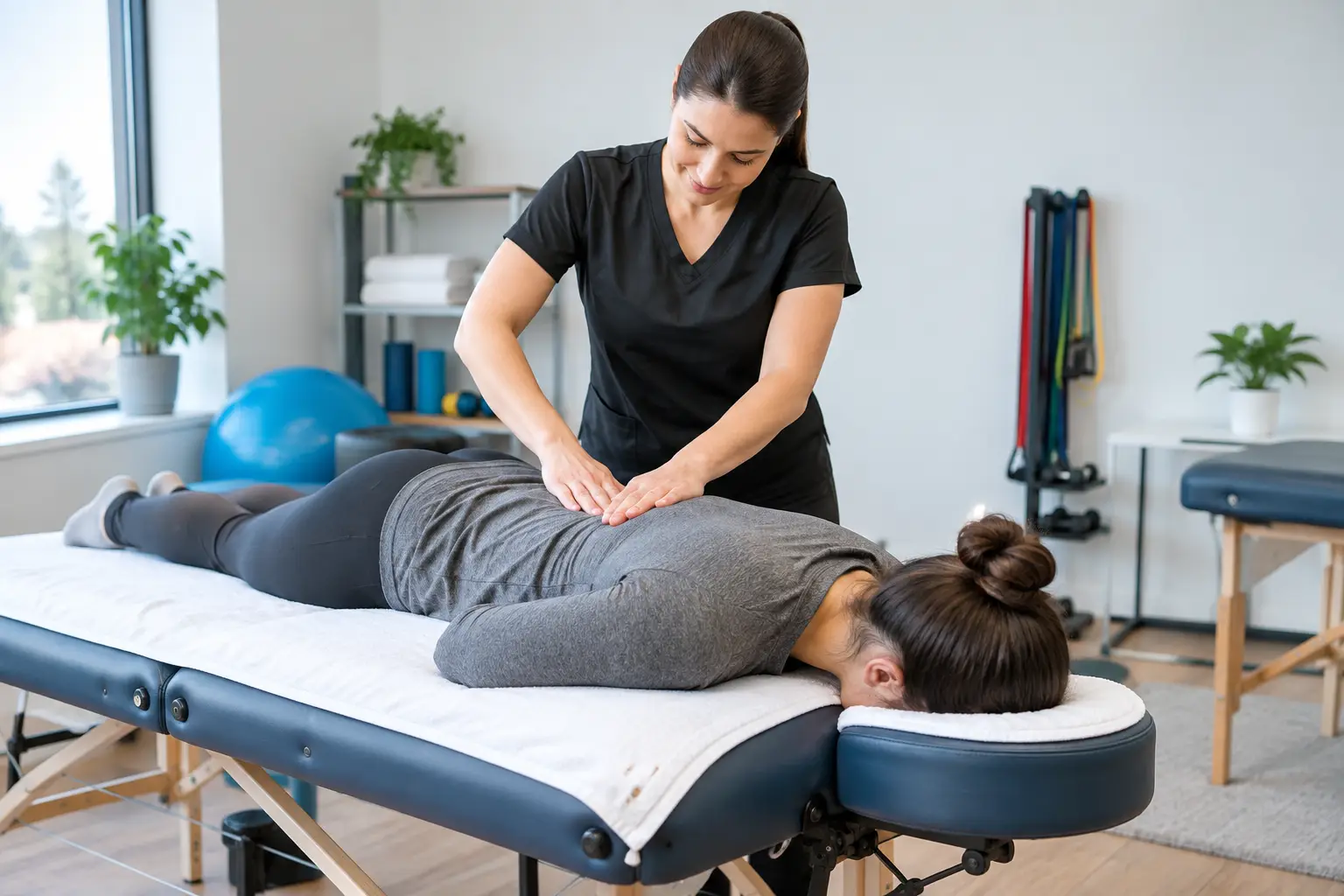
A massage should leave you feeling cared for, not uncertain about what happened to your body. Massage safety begins before the first stretch, pressure point, or warm stone is used. It is the combination of a clean professional setting, a thoughtful conversation, techniques matched to your comfort, and a therapist who pays attention from start to finish.
For many people, massage is part of managing the everyday strain of desk work, physical jobs, training, long drives, and recurring tightness in the neck, shoulders, back, hips, and legs. A well-planned session can support easier movement and deep relaxation. The right approach is never one-size-fits-all.
Massage Safety Starts With a Real Conversation
Your therapist should ask questions before treatment begins. This is not a formality. It helps shape the session around your goals, comfort level, and areas that need extra care.
Be ready to share where you feel tightness, soreness, or limited movement. Mention whether your discomfort began after a workout, a demanding shift, a long period at a desk, or an unfamiliar activity. Let your therapist know what has helped in the past and what has felt too intense.
It also helps to discuss recent injuries, surgeries, skin sensitivity, pregnancy, circulation concerns, fever, unexplained swelling, blood-thinning medication, or any other health changes that may affect your session. A qualified therapist can adjust the plan, avoid an area, or recommend postponing the appointment when massage is not appropriate. When you have questions about a health condition, guidance from your health care provider can help you decide what is suitable.
Clear communication continues throughout the appointment. You never need to tolerate discomfort to prove that massage is working. Pressure can be productive without feeling sharp, alarming, or overwhelming.
What Safe, Skilled Pressure Feels Like
Massage can bring attention to muscles that have been working hard for a long time. During deep work, assisted stretching, or focused work around the shoulders, glutes, calves, and hips, you may feel a strong but manageable sensation. Your breathing should remain steady, and you should be able to relax into the work rather than brace against it.
Pain that feels sharp, burning, electric, numb, or increasingly intense is a signal to speak up right away. So is any position that causes pinching, dizziness, or strain. A good therapist welcomes that feedback and responds without making you feel awkward.
Pressure preferences also change from area to area. Someone may enjoy firm work through the upper back but prefer gentler pressure around the neck or calves. The goal is not to use the most pressure possible. It is to use the right amount of pressure to help reduce muscle tension while respecting your body’s response.
Thai Massage Should Be Adapted to You
Traditional Thai massage includes rhythmic compression, acupressure-style techniques, and assisted stretching. It is often performed fully clothed on a raised table, making it a practical option for clients who prefer no oil while still wanting focused muscle work and mobility support.
Stretching should feel supported, gradual, and controlled. Your therapist should consider your flexibility, joint comfort, training level, and current range of motion before guiding you into a position. A stretch is not better because it is deeper. The most useful stretch is one your body can accept without guarding.
This matters especially for clients with tight hips, stiff shoulders, sore legs after sport, or long-standing postural tension. A personalized Thai massage can be energizing and restorative, but the pace and depth should fit the person on the table that day.
Safety Considerations for Oil, Hot Stone, and Cupping
Different massage styles offer different experiences, and each calls for thoughtful preparation. Choosing a treatment should be based on your goals and comfort, not simply what sounds strongest.
Swedish oil massage is often a good choice when relaxation, circulation support, and general muscle relief are the priorities. Let your therapist know about sensitivities to lotions, oils, or fragrances. You can also mention if you prefer more or less coverage, as comfort and professional draping are part of a respectful session.
Hot stone massage uses smoothly heated stones to warm broad areas of muscle and help the body settle into relaxation. The stones should feel comfortably warm, never painfully hot. Speak up immediately if the temperature feels too intense. Heat may not be a good fit when there is active irritation, reduced temperature sensation, or certain circulation concerns, so share relevant information during your intake.
Cupping can create a strong pulling sensation and may leave temporary circular marks. These marks can vary in color and may last for several days, which is worth considering before an event, photo session, or athletic competition. Cupping should not feel sharply painful, and the therapist should explain what to expect before starting. As with any focused technique, it can be adjusted or skipped based on your comfort and circumstances.
A Clean, Calm Setting Is Part of the Care
Massage safety is not only about technique. The studio environment matters too. Clean linens, sanitized equipment, orderly treatment spaces, and clear professional boundaries help clients relax and feel confident in their care.
A professional appointment should feel unhurried. You should have time to share your goals, ask questions, get comfortable on the table, and change privately when needed. Your therapist should explain the treatment plan in plain language and check in during the session without interrupting the calm of the experience.
Respect goes both ways. Arriving a few minutes early, silencing your phone, and sharing honest feedback create a smoother session. If you are running late or need to reschedule because you are unwell, communicating as early as possible supports a better experience for everyone.
How to Care for Yourself After Massage
Most people feel relaxed, lighter, and more mobile after a session. It is also normal to notice mild tenderness after focused work, particularly if muscles were very tight or you tried a new modality. Your body may benefit from a quieter pace for the rest of the day.
Drink water as you normally would, eat a nourishing meal if needed, and give yourself time before a demanding workout. Gentle walking and easy movement can feel good after massage. If a particular area feels tender, avoid aggressively stretching or pressing on it. Let your body settle.
Pay attention to how you feel over the next day or two. If you have unexpected or concerning symptoms, seek appropriate medical guidance. If the session felt too deep, too light, or especially helpful in one area, make a note for your next appointment. That feedback helps make future sessions more precise.
Consistency Can Be Safer Than Pushing Too Hard
When tension has built up over months of sitting, lifting, training, or repetitive work, one very intense appointment is rarely the best answer. A more measured approach often gives your body time to respond. Regular sessions, combined with realistic movement habits and recovery time, can support better comfort without asking too much of tight muscles all at once.
The ideal schedule depends on your activity level, stress, goals, and how your body responds. A competitive athlete preparing for a busy season may have different needs than someone working long hours at a computer. Your therapist can help you choose an approach that feels sustainable.
Choosing a Massage Therapist You Can Trust
Look for a therapist who listens closely, explains their approach, and adjusts without hesitation. Experience matters, but so does attentiveness. You should leave knowing that your concerns were heard and that the session was built around your needs rather than a fixed routine.
At Warin Thai Massage in St. Catharines, every session is tailored to the areas affecting your comfort and movement, whether you need assisted stretching, relaxing oil massage, targeted hot stone work, or a combination approach. The focus is simple: help you feel better, move better, and leave with greater ease.
Your comfort is useful information, not an interruption. Book Your Session when you are ready for personalized care that respects your body, your goals, and your pace.
Leave a Reply