 Skip to content
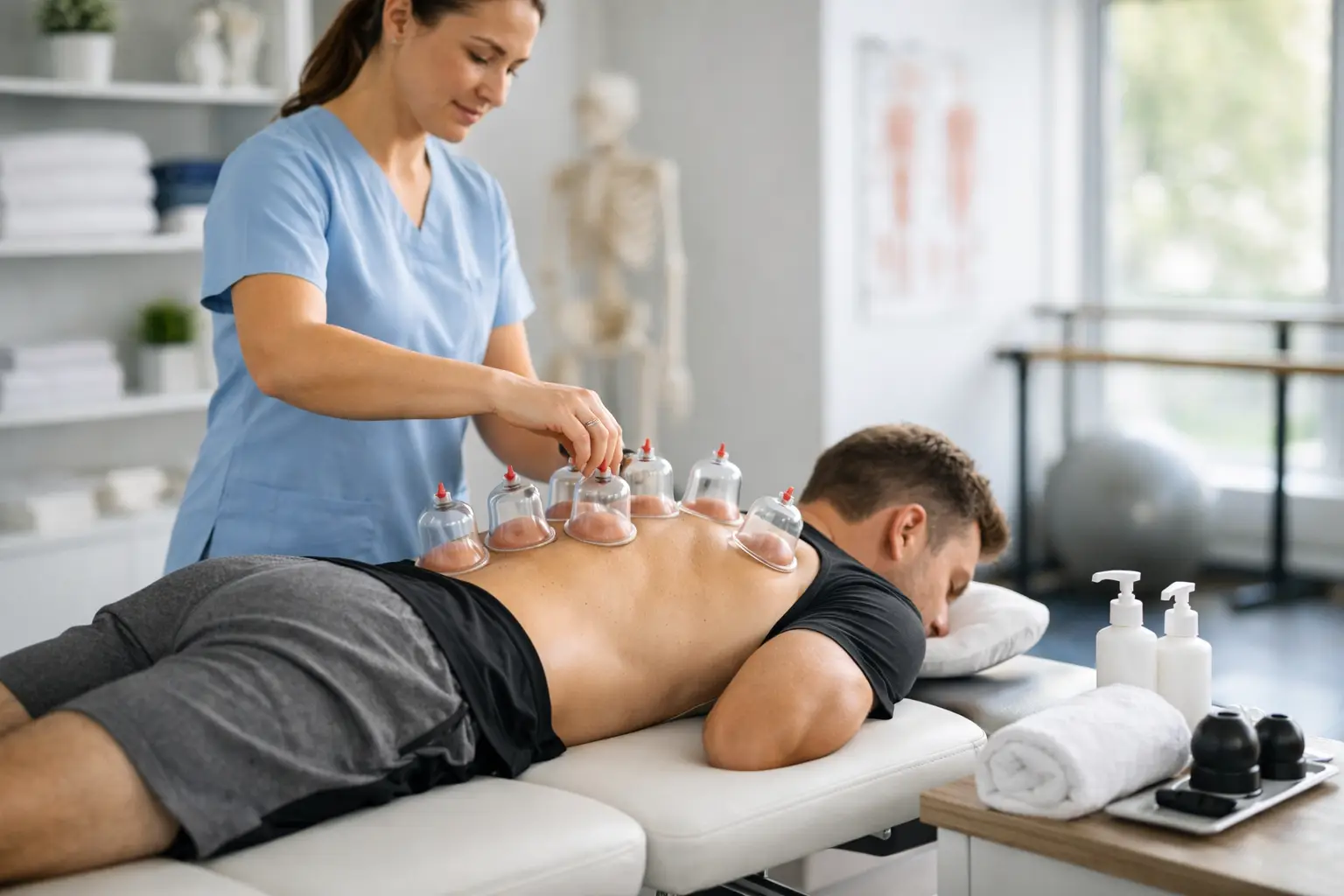
A shoulder can feel tight even after stretching. A calf can stay heavy after a hard week of training. A lower back can feel restricted after long hours at a desk. Cupping therapy is a practical addition to massage when muscle tension feels stubborn, movement feels limited, or one area needs more focused attention.
At Warin Thai Massage, cupping is used as part of a personalized Thai combination oil massage. It is not a one-size-fits-all treatment. Your session is shaped around how your body feels, where you are holding tension, and the amount of pressure that feels comfortable and productive for you.
What Is Cupping Therapy?
Cupping therapy uses smooth cups placed on the skin to create gentle suction. Unlike the downward pressure used in many massage techniques, the suction lightly lifts the skin and superficial tissue. This can create a distinctly different sensation around tight muscles and areas that feel dense, stuck, or overworked.
The cups may stay in one place briefly, or they may be moved slowly across the body with massage oil. Moving cups can feel similar to a deep, gliding massage stroke. Stationary cups create a stronger pulling sensation that some clients find especially helpful around the upper back, shoulders, hips, thighs, and calves.
Cupping is often paired with hands-on massage rather than used on its own. This allows the therapist to work with the body in different ways during the same appointment: warming the tissue with massage, addressing specific tension with cups, and using Thai-inspired stretching or acupressure techniques when appropriate.
Why Cupping Can Feel Helpful for Tight Muscles
Many people seek cupping because their muscles feel tight, heavy, or less responsive than usual. This is common for office workers who spend hours leaning toward a screen, people with physical jobs, and active clients recovering from demanding workouts or sports practices.
The suction from the cups can encourage circulation in the area and create a sense of space through the soft tissue. For some people, that makes it easier to relax a guarded muscle and move more comfortably afterward. A session may be particularly useful when your neck and shoulders feel loaded, your upper back feels stiff, or your legs need recovery support after training.
The result is different for every person. Some clients notice that their muscles feel lighter right away. Others notice the greatest benefit over the next day or two, especially when they combine their session with gentle movement, hydration, and rest. Cupping is not meant to force a result. The goal is to help the body release tension in a controlled, comfortable way.
Cupping Therapy and Massage Work Better Together
Cupping can be valuable on its own, but it often has the best place within a thoughtful massage session. Before cups are used, the therapist can assess how your muscles respond to touch and learn more about the areas that are bothering you. That helps determine whether cupping is a good fit and where it may be most useful.
For example, someone with desk-related shoulder tension may benefit from massage around the upper back and chest, followed by carefully placed cups around the shoulders. An active client with tired legs may prefer gliding cups through the calves or hamstrings, combined with massage techniques that support flexibility and recovery.
Thai massage elements can add another useful layer. Assisted stretching and targeted pressure may help improve range of motion around the hips, legs, shoulders, and back. Oil massage brings a slower, calming quality to the session. The combination creates a treatment that can be both restorative and focused on how you want to move afterward.
What to Expect During Your Session
Your comfort comes first. At the beginning of your appointment, share what has been feeling tight, sore, restricted, or overworked. Mention whether the discomfort is connected to work posture, exercise, a recent change in activity, or a recurring area of tension. You can also explain what kind of pressure you generally prefer.
The therapist will select areas for cupping based on your goals and how your body responds during the massage. Cups should feel secure, but they should not feel sharply painful. A pulling or tightening sensation is normal, especially in areas with more tension. If the sensation is too intense, say so right away. The pressure, placement, and duration can all be adjusted.
Cups may be used for only part of the session. This is intentional. More time with cups is not automatically better. A skilled approach considers your comfort, the condition of the tissue, and the overall balance of the treatment.
Will Cupping Leave Marks?
Cupping can leave temporary circular marks on the skin. These marks are a common response to suction and can range from light pink to deeper red or purple, depending on your skin and the level of tension in the area. They are not the same as bruises caused by an impact, but they can look noticeable.
Marks usually fade over several days, though timing varies. If you have an upcoming event, photo session, beach day, or other reason you would prefer not to have visible marks, let your therapist know. Lighter pressure, moving cups, or choosing different treatment areas may be a better option.
Who May Benefit From Cupping?
Cupping is often considered by clients who want focused support for muscle tension and mobility. It can be a good option for people who feel tight through the upper back and shoulders, stiff through the hips, or fatigued in the legs after exercise. Soccer players, runners, gym-goers, and people with physically demanding work may appreciate its recovery-focused feel.
It can also suit clients whose muscles feel overworked from repetitive posture. Long drives, computer work, lifting, standing, and looking down at a phone can all contribute to that familiar feeling of tightness around the neck, upper back, and shoulders.
Still, cupping is not the right choice for every body or every appointment. Skin sensitivity, certain health considerations, medications, recent injuries, and irritation in the treatment area can affect whether cups should be used. Be open about relevant concerns during your intake. When in doubt, choose a gentler approach or seek guidance from a qualified health professional before booking.
How to Care for Your Body After Cupping
After cupping therapy, give your body a little room to respond. Drink water, eat normally, and choose easy movement such as walking or gentle stretching if it feels good. Many people prefer to avoid an intense workout immediately afterward, particularly if the treated area feels tender.
Warmth can feel soothing, but avoid irritating the skin where marks are present. Skip harsh exfoliation, aggressive scrubbing, or anything that makes the area uncomfortable. If your muscles feel mildly sore, treat that as useful feedback and allow time for recovery.
Your next session can be adjusted based on how you felt afterward. Perhaps you loved focused work on the upper back but would prefer lighter cups on the legs. Perhaps the movement techniques were the most helpful part. Personalized bodywork gets better when your therapist understands those details.
A Thoughtful Option for Niagara Clients
For clients in St. Catharines and across the Niagara Region, cupping can be a helpful choice when a standard relaxation massage does not quite address the tension you feel. It offers a different kind of muscle work while still fitting into a calm, attentive treatment designed around your needs.
You do not need to wait until tightness becomes your normal. Book Your Session with Warin Thai Massage and let Joy tailor a cupping and massage experience that helps you feel better, move better, and return to the activities that matter to you.
Leave a Reply