 Skip to content
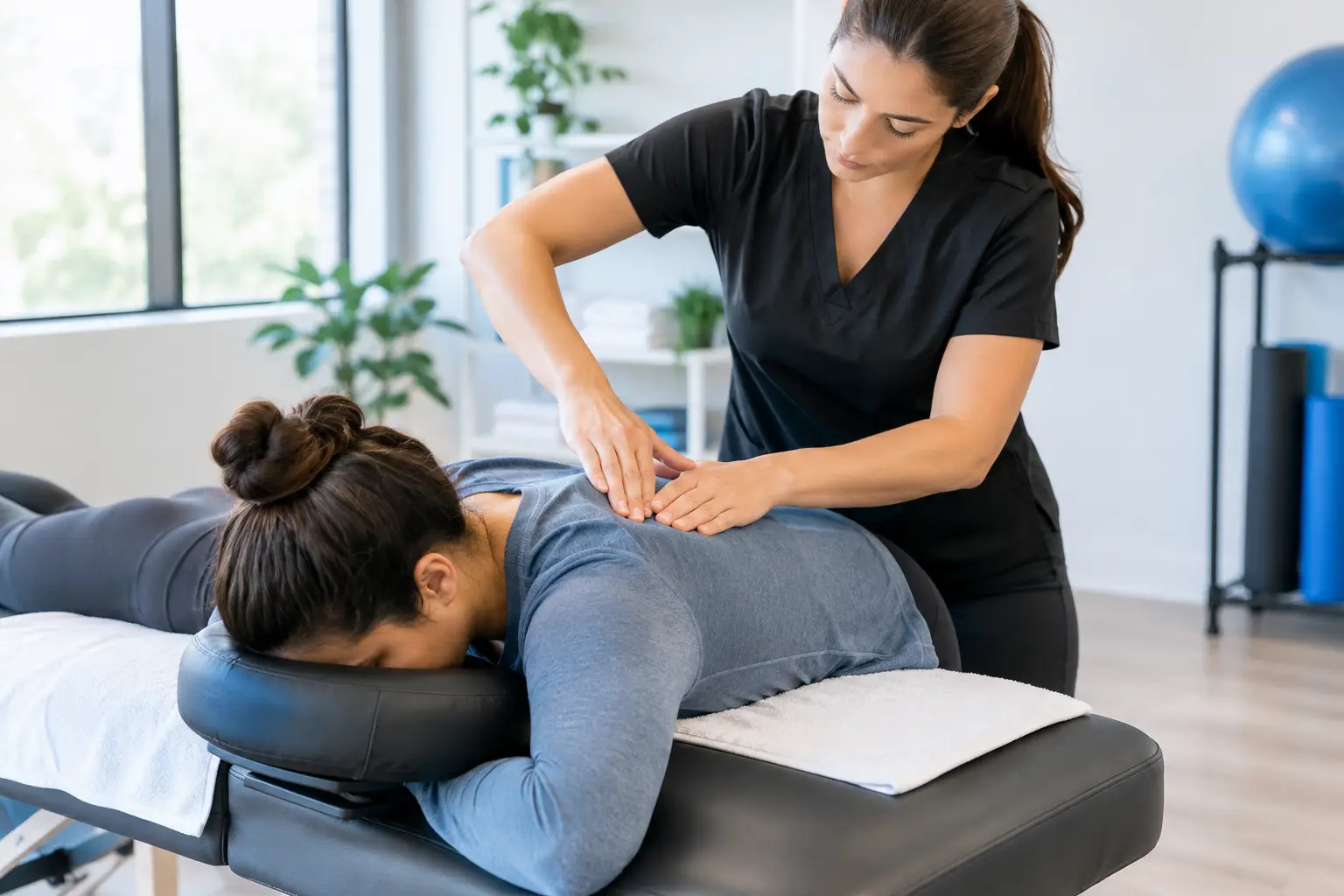
That tight, aching space between the shoulder blades can make an ordinary workday feel much longer. Many people notice it after hours at a desk, long drives, physical work, demanding workouts, or stressful weeks. Understanding how massage eases upper back tension can help you choose a treatment that supports more comfortable movement instead of simply trying to push through the discomfort.
Massage does not force the upper back to relax. It works with the body by gently addressing tight muscles, restricted movement, and the habits that can keep tension returning. A personalized session can leave you feeling lighter through the shoulders, freer in the neck, and more able to take a full, comfortable breath.
Why upper back tension builds up
The upper back is constantly involved in supporting the head, neck, shoulders, and arms. When you lean toward a screen, carry a bag on one shoulder, reach repeatedly at work, or train hard without enough recovery, these muscles can spend a lot of time working without a true break.
Stress adds another layer. Many people respond to pressure by lifting their shoulders, tightening the jaw, or holding a shallow breath. Those patterns can make the muscles around the shoulder blades feel sore, heavy, or knotted even when there was no single injury.
The source of discomfort is not always exactly where you feel it. Tightness through the chest and front of the shoulders, for example, may contribute to the upper back working harder to hold you upright. Limited movement in the neck, shoulders, or mid-back can also change how the area feels during daily activities.
How massage eases upper back tension
Massage helps by using steady, skilled pressure to encourage tight soft tissue to let go. The goal is not to make the pressure as intense as possible. The goal is to work at a level your body can respond to, helping reduce guarding while improving how the area moves.
It calms overworked muscles
When muscles have been held in the same position for hours, they can become sensitive and fatigued. Massage brings focused attention to common tension areas, including the muscles along the upper spine, across the shoulders, and around the shoulder blades.
Slow strokes and targeted pressure can help these tissues feel less dense and reactive. Many clients notice that their shoulders no longer feel as if they are being pulled upward toward their ears after a session.
It encourages circulation and warmth
Hands-on massage creates warmth in the muscles and can support healthy circulation in the treated area. This often creates an immediate feeling of ease, especially in an upper back that feels stiff after sitting still or working in one position.
That warm, relaxed feeling is useful, but it is not the only benefit. When muscles are less guarded, it may be easier to move the shoulders and upper body with less strain.
It supports better range of motion
Upper back tightness often affects more than the back itself. Turning your head, reaching overhead, rotating during a sport, or simply putting on a jacket can feel limited when the shoulders and mid-back are not moving well.
Massage can prepare the muscles for comfortable movement. At Warin Thai Massage, Thai techniques may include assisted stretching performed on a raised table while you remain fully clothed. These controlled stretches can complement focused pressure by helping the shoulders, chest, and upper back move through a more comfortable range.
The best approach depends on your body and your goals. Someone who feels stiff after desk work may benefit from gentle stretching and calming pressure, while an active client recovering from intense training may prefer more focused work paired with movement. More pressure is not automatically better.
It helps you notice tension patterns
A personalized massage session can also make you more aware of where you hold stress. You may realize that one shoulder is consistently tighter, that you brace through your upper back while driving, or that a particular work position leaves you feeling sore.
This awareness matters because it gives you practical information to use between sessions. Small changes, such as taking brief movement breaks, adjusting screen height, or varying your position, can help prevent the same tension from building as quickly.
Which massage style is best for upper back discomfort?
There is no single best massage for every upper back. The right choice depends on whether your main concern is general stress, workout recovery, persistent stiffness, or a feeling of deep muscle tightness.
Traditional Thai massage can be especially helpful for people who feel restricted through the shoulders, chest, and mid-back. It combines rhythmic pressure with assisted stretching, creating a treatment that is active while still deeply relaxing. It is a strong option for clients who want to improve mobility as well as relieve tension.
Thai combination Swedish massage blends Thai-inspired stretching and acupressure with smoother Swedish techniques. This can suit people who want targeted upper back work without an overly intense experience. Swedish oil massage is often a comfortable choice when your body feels generally tense and you want slower, flowing work that promotes relaxation.
For stubborn tightness, hot stone massage can add gentle heat that helps the upper back settle before focused manual work begins. A Thai combination oil massage with cupping may be appropriate for some clients who want a targeted approach to muscular tension and recovery. Your therapist can help decide which modality fits your comfort level and current needs.
What a targeted upper back session can include
A good session begins with listening. Before treatment, share where you feel discomfort, what seems to aggravate it, how long it has been present, and whether you prefer lighter or firmer pressure. This allows the therapist to focus on the areas that matter most rather than following a routine that does not match your body.
Upper back work may include the muscles between the shoulder blades, the tops of the shoulders, the sides of the neck, and the chest or front of the shoulders when those areas are contributing to a rounded, tight feeling. The arms may also be included, particularly if computer work, lifting, or repetitive use is part of your routine.
During the session, communicate honestly. Productive pressure can feel intense at times, but you should be able to breathe normally and relax into the work. Sharp, pinching, or overwhelming discomfort is a sign to speak up. Clear feedback helps create a more effective and comfortable treatment.
Help your upper back stay relaxed between appointments
Massage tends to work best as part of a practical routine. You do not need a complicated wellness plan. A few consistent habits can help you hold onto that post-massage sense of space through the upper back.
Change positions regularly when you are working at a desk or driving. Let the arms rest instead of continuously hovering over a keyboard, and take a brief walk or shoulder roll break before tightness becomes intense. Gentle movement throughout the day is often more useful than waiting for one long stretch at the end of the week.
Pay attention to breathing as well. If you notice the shoulders rising with every inhale, try allowing the breath to expand through the ribs while letting the shoulders soften down. This is not about perfect posture. It is about giving the upper back more opportunities to stop working so hard.
Regular strength and mobility work can also support the results of massage, especially for active people and physically demanding jobs. The right routine should feel manageable and specific to your lifestyle, not like another demanding task on your schedule.
When to pause and get additional support
Massage can be an excellent option for everyday muscular tension, stiffness, and stress-related tightness. However, new severe pain, pain following a significant accident, unexplained weakness, numbness, or symptoms that are getting worse deserve timely assessment from an appropriate health professional before massage.
Let your massage therapist know about recent injuries, skin irritation, surgeries, or health changes that may affect your session. A thoughtful therapist will adjust the treatment, choose gentler techniques, or recommend postponing work when needed.
Upper back tension often develops quietly, then starts to affect how you work, train, sleep, and breathe. A personalized massage session can be a calm, practical way to give those overworked muscles the attention they have been asking for. Book your session online with Warin Thai Massage in St. Catharines and feel better, move better, and return to your day with more ease.
Leave a Reply