 Skip to content

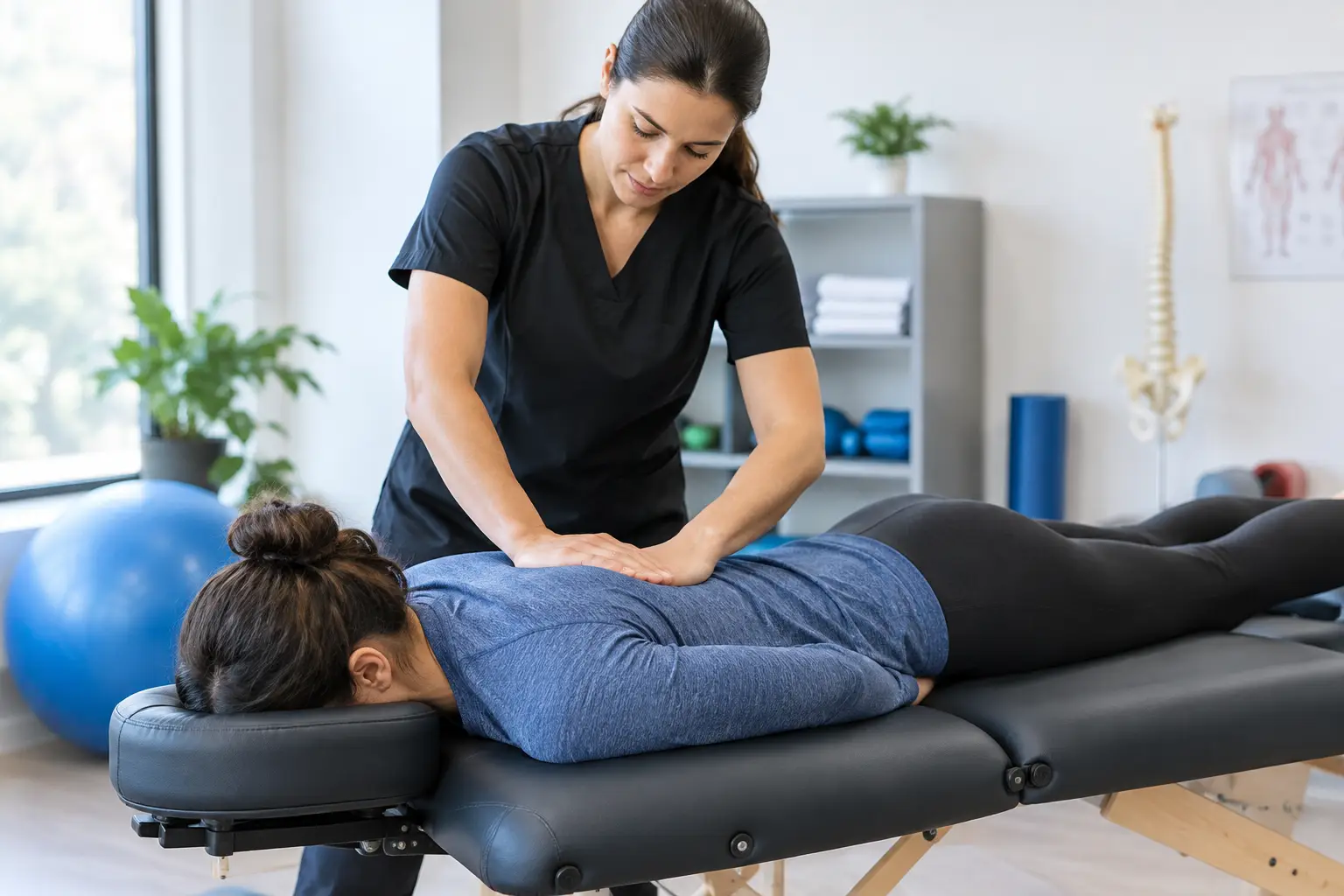
A stiff neck at the end of a desk day, shoulders that creep toward your ears during a drive, or hips that feel tight after standing for hours can make your whole body feel out of balance. Massage posture correction is not about forcing your body into a perfectly straight position. It is a practical, hands-on way to reduce the muscle tension and movement restrictions that can make comfortable posture harder to maintain.
For many people, posture changes gradually. Long workdays, repetitive tasks, training, stress, old habits, and limited recovery can all encourage certain muscles to stay switched on while others become less active. A personalized massage session can help your body release some of that holding pattern, move with less resistance, and feel more comfortable in everyday positions.
What Massage Can and Cannot Do for Posture
Posture is not a single pose that everyone should hold all day. Bodies are built differently, jobs demand different positions, and comfort often comes from being able to change positions easily rather than trying to sit or stand rigidly.
Massage does not reposition bones or permanently correct posture in one appointment. What it can do is address tight, overworked soft tissue that may be contributing to rounded shoulders, a forward head position, a stiff upper back, an uneven-feeling hip area, or limited movement through the legs. When muscles are less guarded, it can be easier to sit taller, breathe more freely, turn your head, reach overhead, or walk with a more natural stride.
The best results tend to come from combining massage with small, realistic changes between sessions. That might mean taking movement breaks during work, adjusting a workstation, changing how you carry a bag, or adding gentle mobility work that suits your body.
Why Poor Posture Often Feels Like Muscle Tension
Your body adapts to what you ask it to do most often. If you spend hours looking down at a screen, your neck and chest may feel tight while the muscles around your upper back become tired from trying to support you. If your work involves lifting, standing, or repeated bending, the hips, low back, calves, and shoulders may each take on more load than they should.
Stress can add another layer. Many people unconsciously brace their jaw, shoulders, abdomen, or hips when they are under pressure. Even after the stressful moment has passed, the body may continue to hold that tension. This is one reason a session focused on relaxation can also improve how freely you move.
A skilled therapist looks beyond the area that hurts most. Neck discomfort, for example, may be connected to tight chest muscles, restricted shoulders, or a stiff upper back. Hip tightness can be influenced by the glutes, thighs, and lower legs. Massage is most useful when the session follows your individual pattern rather than treating every client the same way.
How Thai Massage Supports Posture and Mobility
Traditional Thai massage is especially well suited to clients who feel tight, compressed, or limited in their movement. Performed fully clothed on a raised table, it combines focused acupressure with guided, assisted stretches. The approach can help lengthen tight muscle groups while encouraging movement through areas that may feel restricted.
For posture-related tension, a Thai massage session may include attention to the feet and legs, hips, glutes, back, shoulders, arms, and neck. This full-body view matters because comfortable posture begins with a body that can distribute effort instead of overloading one area.
Assisted stretching is always adapted to your comfort and range of motion. It should feel purposeful, not forced. Clients who sit for long periods often appreciate the opening sensation through the hips, chest, and shoulders. Active clients and people with physically demanding jobs may benefit from work that supports recovery in the legs, back, and joints after repetitive movement.
When Oil, Hot Stone, or Cupping May Help
Different massage styles can be useful depending on how your tension feels. Thai combination Swedish massage pairs stretching and acupressure with smooth, relaxing massage techniques. This can be a good choice for people who want both mobility-focused work and calming muscle relief.
Swedish oil massage may suit clients who feel generally sore, stressed, or tight through the upper back and shoulders. Hot stone massage can add soothing warmth to muscles that feel persistently guarded, helping the body settle into deeper relaxation.
Cupping may be incorporated into a Thai combination oil massage for some clients who have dense muscle tightness or areas that feel restricted. It is not the right fit for every person or every session, which is why discussing your comfort, goals, and preferences beforehand matters.
A Personalized Approach to Massage Posture Correction
A posture-focused session should begin with a conversation. Your therapist may ask what you do during the day, where you feel discomfort, what movements are limited, and whether a recent activity has made your symptoms worse. Sharing details helps shape the treatment.
At Warin Thai Massage, Joy adapts each session to the areas that need the most support. Someone who spends the day at a computer may need careful work through the neck, shoulders, chest, upper back, and hips. A warehouse worker may need a different focus through the legs, low back, arms, and shoulders. A soccer player may benefit from mobility and recovery work that addresses the hips, thighs, calves, and feet.
The goal is not to chase a picture-perfect posture. It is to help you feel less pulled, less stiff, and more capable of moving through your day with comfort and control.
What You Can Do Between Massage Sessions
Massage creates an opportunity for your body to relax and move more easily. Daily habits help you keep that progress going. You do not need an intense routine or a perfect workspace to make a difference. Small adjustments done consistently are often more helpful than occasional major efforts.
Try changing positions before you become uncomfortable. Stand up, walk briefly, roll your shoulders, or gently move your neck and hips between tasks. When using a phone or laptop, bring the screen closer to eye level when possible instead of repeatedly bending your head downward. If you stand for work, shift your stance, take short walking breaks, and avoid locking into one position for too long.
Pay attention to how you breathe as well. Shallow breathing can make the chest, neck, and shoulders work harder. A few slow breaths that expand through the rib cage can be a simple reset when you notice yourself bracing.
If pain is severe, follows an injury, includes numbness or weakness, or continues to worsen, seek evaluation from an appropriate qualified health professional. Massage can be a supportive part of self-care, but it should be matched to your situation.
How Often Should You Book?
There is no single schedule for posture-related massage. A client dealing with frequent desk tension or a demanding physical job may initially benefit from regular sessions while they build better recovery habits. Others may book when tightness begins to return or around periods of heavy training, travel, or workload.
Your ideal frequency depends on your symptoms, activity level, stress, and how your body responds after treatment. Notice practical changes: Can you turn your head more comfortably? Do your shoulders feel less heavy? Is it easier to stand, walk, train, or sleep? Those everyday improvements are often more meaningful than trying to achieve a particular posture.
Feeling better in your body is rarely about holding yourself rigidly. It is about having enough ease and mobility to move, rest, and work without constant tension. Book your session online at Warin Thai Massage in St. Catharines and give your body focused support to feel better, move better, and live better.
Leave a Reply