 Skip to content

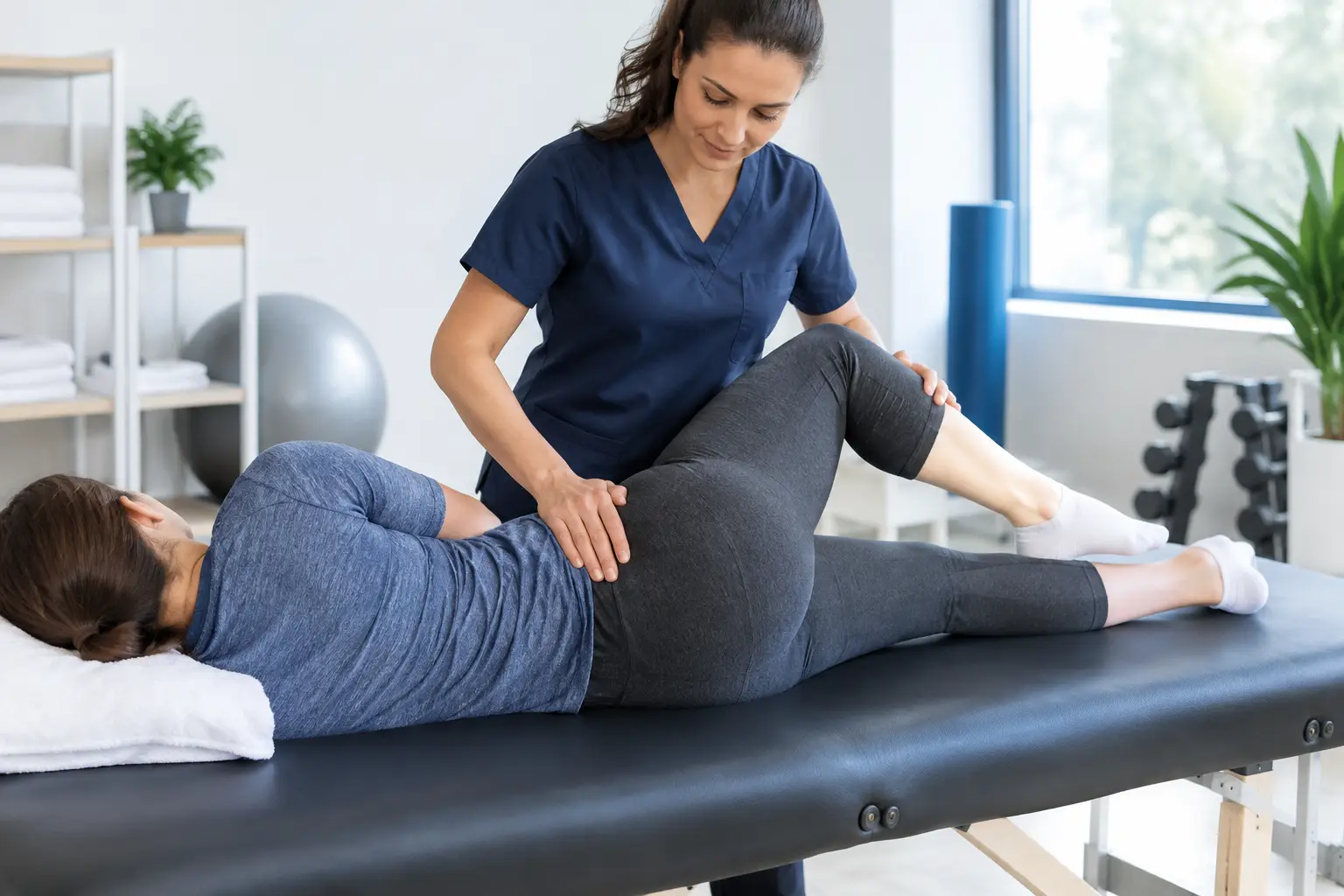
A sharp pull through the hip, a stubborn ache in the glute, or tension that travels down the back of the leg can make ordinary movement feel guarded. Sciatic discomfort bodywork focuses on the surrounding muscles that may be contributing to that strain, helping you feel less restricted when you sit, walk, bend, or train.
For many people, the issue is not simply one spot in the lower back. Long workdays, repetitive lifting, intense workouts, limited hip mobility, and accumulated stress can leave the hips, glutes, hamstrings, and lower back working harder than they should. A thoughtful massage session can address those connected areas with pressure, stretching, and pacing that suit your comfort level.
What sciatic discomfort can feel like
People use the word “sciatica” to describe several different sensations. You may notice tightness at the back of one hip, a deep ache through the glute, stiffness after sitting, or discomfort that seems to follow the back or side of the leg. The pattern can change from day to day, especially when work, exercise, sleep, or stress changes.
Bodywork does not diagnose the source of these symptoms, and no two bodies respond in exactly the same way. What it can do is help reduce muscular tension around areas that often become overworked, while supporting circulation, relaxation, and easier movement.
If discomfort is sudden, severe, follows an accident, or comes with symptoms that feel unusual or concerning, it is best to seek guidance from an appropriate health professional before booking a massage. Massage is most helpful when it is part of a sensible, personalized approach to caring for your body.
How sciatic discomfort bodywork is approached
An effective session starts with listening. Before hands-on work begins, your therapist should understand where you feel tension, what movements aggravate it, how long it has been present, and what kind of pressure feels comfortable. This information helps shape the session instead of applying the same routine to every client.
The goal is not to force a stretch or chase discomfort with excessive pressure. When the body is already guarding, too much intensity can make it harder to relax. A skilled approach works gradually, giving tight tissues time to respond while checking in with you throughout the treatment.
The hips and glutes often need attention
The hip area does a great deal of work during walking, climbing stairs, squatting, standing, and sitting. When the glutes and outer hip muscles are tight, they can create a pulling sensation through the lower back and leg. Focused massage can help soften that tension and improve how freely the area moves.
For desk workers, this may mean spending more time on the hip flexors, glutes, and lower back after hours in a chair. For active clients, it may mean addressing fatigue from running, soccer, strength training, or repetitive job tasks. The same area can need a very different approach depending on why it is under strain.
Gentle work through the legs can improve comfort
Hamstrings and calves can become tight when the body is compensating for limited hip movement or a demanding activity schedule. Careful work through the back of the leg may help reduce that feeling of constant pulling, especially when combined with comfortable assisted stretches.
This is where pacing matters. Some clients feel best with slow, broad pressure and light stretching. Others prefer targeted work that spends more time on a stubborn glute or hamstring area. Clear feedback allows the therapist to adjust without turning the session into something you have to endure.
Relaxation is part of the physical result
When you are bracing against pain or stress, muscles often stay switched on even when you are resting. Calming massage techniques, steady breathing, and a quiet treatment setting can help the nervous system settle. That matters because a relaxed body is often more receptive to pressure and movement.
You should leave feeling cared for, not sore from being pushed beyond your limit. Mild tenderness can happen after focused massage, particularly if an area has been tight for a long time, but the treatment itself should feel controlled and collaborative.
Thai massage techniques for hip and leg tension
Traditional Thai massage can be especially useful for clients who feel stiff through the hips, lower back, and legs. Performed fully clothed on a raised table, it combines rhythmic pressure with assisted stretching. The treatment can be adapted from gentle and restorative to more focused, depending on your needs and experience.
Rather than isolating one painful point, Thai techniques consider how the body moves as a whole. A therapist may work through the feet, calves, thighs, hips, and lower back to encourage a more balanced feeling from the ground up. Assisted stretches can support mobility without asking you to do the work alone.
For sciatic discomfort bodywork, this whole-body perspective is useful because tightness rarely stays neatly contained in one area. A restricted hip can affect the leg. A tired lower back can change how you stand. Working through these connected regions can provide a more complete feeling of relief than focusing only on where the discomfort is loudest.
Choosing the right massage style
The best session depends on your current comfort, your goals, and how your body responds to pressure. Thai massage is a strong choice when stiffness and limited mobility are your main concerns. It is also a good fit if you enjoy assisted stretching and prefer to remain clothed during treatment.
A Thai combination Swedish massage may suit you if you want the mobility-focused benefits of Thai techniques along with flowing Swedish massage strokes. This can be a comfortable option for people who carry tension in both the hips and upper body after long workdays.
Swedish oil massage may feel more appropriate when your body needs a slower, deeply relaxing session with less stretching. Hot stone massage can add gentle warmth for clients who find heat soothing around broad areas of muscular tightness. Cupping may be incorporated into a Thai combination oil massage when it fits your treatment plan and comfort level.
There is no single “best” modality for every person. A competitive athlete preparing for a busy season may want a more focused recovery session, while someone who has been sitting at a desk all week may benefit from a gentler pace and more relaxation. The right treatment is the one that meets your body where it is that day.
Helpful habits between sessions
Massage works best when it supports, rather than replaces, the ways you care for your body every day. After a session, pay attention to what feels easier. You may notice that walking, changing positions, or climbing stairs feels more comfortable when you avoid rushing back into a long period of sitting.
Gentle movement is often more useful than complete stillness for everyday muscular stiffness. Short walks, comfortable hip movement, regular position changes, and a simple warm-up before activity can help you maintain the freedom of movement you gain during bodywork. The key is consistency, not intensity.
It also helps to notice your patterns. Does discomfort build after driving, carrying equipment, working at a computer, or playing sports? Sharing those details at your next appointment gives your therapist a clearer picture of what may need extra attention.
Personalized massage in St. Catharines
At Warin Thai Massage, each session is shaped around the areas that need care most. Whether your goal is to ease hip and leg tension, move more comfortably after work, or support recovery from an active routine, Joy can adapt Thai massage, Swedish techniques, stretching, heat, or cupping to your comfort and goals.
You do not need to wait until tension becomes overwhelming to give your body attention. Book your session online and make space to feel better, move better, and return to the activities that matter to you.
Leave a Reply