 Skip to content
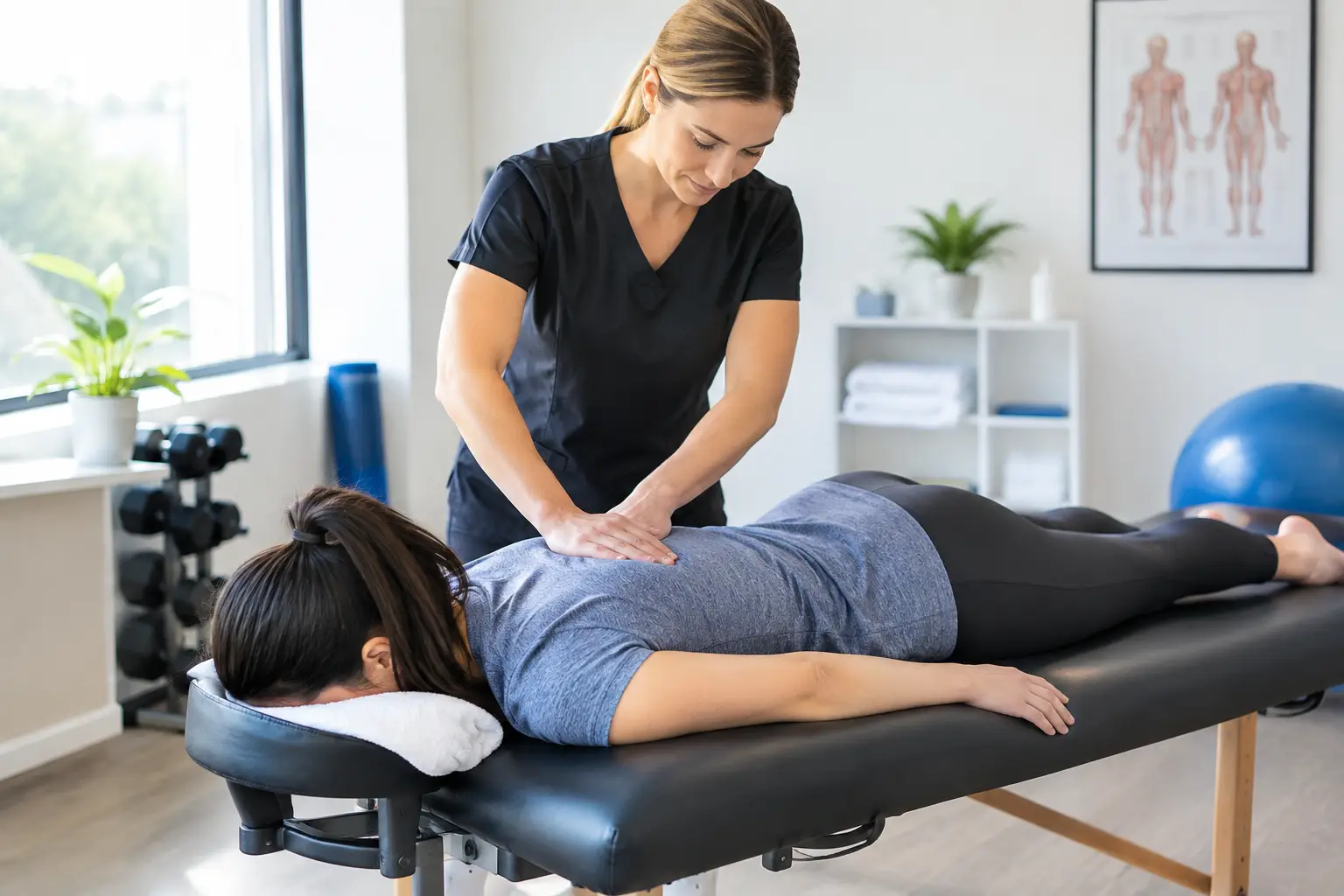
A good massage does not end when you leave the treatment room. The hours that follow are part of the process, especially when your session includes focused work for tight shoulders, sore hips, tired legs, or a restricted back. Thoughtful massage aftercare helps your body settle into the changes from hands-on pressure, assisted stretching, heat, or cupping so you can stay comfortable and get the most from your session.
Why Massage Aftercare Matters
Massage encourages circulation, reduces built-up muscle tension, and can improve the way your body moves. Thai massage may also include assisted stretches and acupressure, which can leave you feeling wonderfully open and relaxed. At the same time, muscles that have been working hard to hold tension can feel tender as they adjust.
That response is not the same for everyone. Some people feel light and energized right away, while others feel calm, sleepy, or mildly sore the next day. The intensity of the session, the areas being addressed, your usual activity level, hydration, sleep, and overall stress can all affect how you feel afterward.
Massage aftercare is not about following a rigid set of rules. It is about giving your body a little space to recover, rehydrate, and respond well to the work you have received.
What to Do After a Massage
Drink water steadily
Have water after your session and continue drinking regularly through the day. Massage does not require you to drink excessive amounts of water, but normal hydration supports comfortable movement and helps you feel your best. If you have been busy, active, or sitting at a desk all day, you may simply be more dehydrated than you realize.
A glass of water at a time is more useful than forcing a large amount all at once. Herbal tea, water-rich foods, and your usual balanced meals can also contribute to hydration.
Choose gentle movement over total stillness
You do not need to turn the rest of the day into a workout. A relaxed walk, easy household movement, or a few comfortable stretches can help you maintain the lighter, more mobile feeling from your massage.
This is especially helpful after Thai massage, where assisted stretching can create a noticeable sense of space through the hips, legs, back, and shoulders. Keep movement gentle and natural. Do not push into a deep stretch just because you feel more flexible immediately after your appointment.
Eat a nourishing meal if you need one
Some clients leave a massage feeling deeply relaxed, and others notice they are hungry. A balanced meal or snack with protein, fiber, and carbohydrates can help you feel grounded and steady. There is no special post-massage diet required, but skipping meals and then overdoing caffeine may leave you feeling less settled.
Give yourself time to slow down
When possible, avoid rushing from the massage table into a demanding schedule. Even 15 or 20 quiet minutes can make a difference. Let your breathing return to a natural rhythm, notice how your body feels, and allow the relaxed state of the session to carry into the rest of your day.
What to Avoid Right After Your Session
Save intense exercise for another time
A gentle walk is one thing. A hard gym session, a long run, heavy lifting, or competitive sport immediately after deep bodywork is another. Your muscles may be more relaxed and your range of motion may feel different, which can make it easier to overdo it before your body has fully settled.
If you are an athlete or have a physically demanding job, timing matters. A lighter massage may fit well before activity, while a more focused session for recovery is often best followed by reduced intensity. Tell your therapist what you have planned so your session can be adapted to your needs.
Be thoughtful with heat and alcohol
A warm shower can feel comforting after massage, but very hot baths, saunas, and hot tubs may feel like too much for some people, particularly after hot stone work or a session that leaves you very relaxed. Choose moderate warmth and pay attention to how you feel.
It is also wise to limit alcohol for the rest of the day. Alcohol can contribute to dehydration and may make it harder to notice what your body needs, whether that is water, food, rest, or a quieter evening.
Do not chase soreness
More pressure is not always better, and feeling sore is not a measure of a successful massage. If a particular area feels tender afterward, give it time. Light movement, normal hydration, and rest are often more useful than aggressively stretching, rolling, or pressing into it again.
Massage Aftercare for Different Treatments
After traditional Thai massage
Traditional Thai massage is performed fully clothed and often combines rhythmic pressure with assisted stretching. You may notice improved ease in your hips, legs, chest, or shoulders, especially if you spend long hours seated or repeat the same physical movements at work.
Wear comfortable clothing for the rest of the day and move within an easy range. If a stretch reached an area that is usually very tight, mild tenderness can happen. Let that area recover before testing its new range of motion with strenuous activity.
After Swedish or oil massage
Swedish and oil-based treatments are often deeply calming and can be ideal when stress and muscle tension have been building. You may feel sleepy, especially after a longer session. A relaxed evening, water, and an earlier bedtime can be a simple form of aftercare.
Oil may remain lightly on the skin, depending on the treatment and your skin type. A warm shower is fine if you prefer one, though there is no need to rush. Allowing yourself to stay relaxed for a while can be part of the benefit.
After hot stone massage
Hot stone massage combines the comfort of warmed stones with focused massage techniques. Because heat can leave you feeling especially relaxed, take your time getting up from the table and avoid adding more intense heat right away if you feel flushed or tired.
Plan for a quieter evening if possible. Gentle movement is fine, but this is usually not the ideal day to add a demanding workout or a long stretch of physical labor.
After cupping
Cupping may leave temporary circular marks or changes in skin color. These marks are a common response to the suction and generally fade over time, but they can be tender. Avoid rubbing the area aggressively, exposing it to very hot water right away, or scheduling another treatment over the same spot before it has settled.
If you have questions about what to expect from your cupping session, ask before you leave. Clear communication helps your therapist tailor future appointments around how your body responds.
When to Check In With Your Therapist
A personalized massage should always include a conversation. Let your therapist know how you felt later that day and the following morning. Details such as better movement through one shoulder, lingering tightness in the hips, or soreness after a particular stretch can help shape the next session.
Contact your healthcare provider promptly if you experience symptoms that feel severe, unusual, or concerning, such as significant swelling, trouble breathing, chest discomfort, fainting, or a reaction that does not feel connected to normal post-session tenderness. Massage is supportive bodywork, and your comfort and safety should always guide the plan.
Make Your Next Session More Effective
The best aftercare also starts before your next appointment. Notice what changes in your daily routine: how long you can sit before your back tightens, whether your neck feels easier while driving, or whether your legs recover better after training. Those observations are useful, practical information.
At Warin Thai Massage in St. Catharines, each session can be adjusted around the areas that matter most to you, from desk-related shoulder tension to tight hips, tired legs, and reduced mobility. Mention your activity schedule, previous response to massage, and goals for the session so the treatment can match your day-to-day needs.
Your body does not need perfection after a massage. It needs a little attention: water, gentle movement, rest when it asks for it, and patience with the areas that have been working hard. When you are ready for focused, personalized care, book your session and give yourself the opportunity to feel better, move better, and live better.
Leave a Reply