 Skip to content
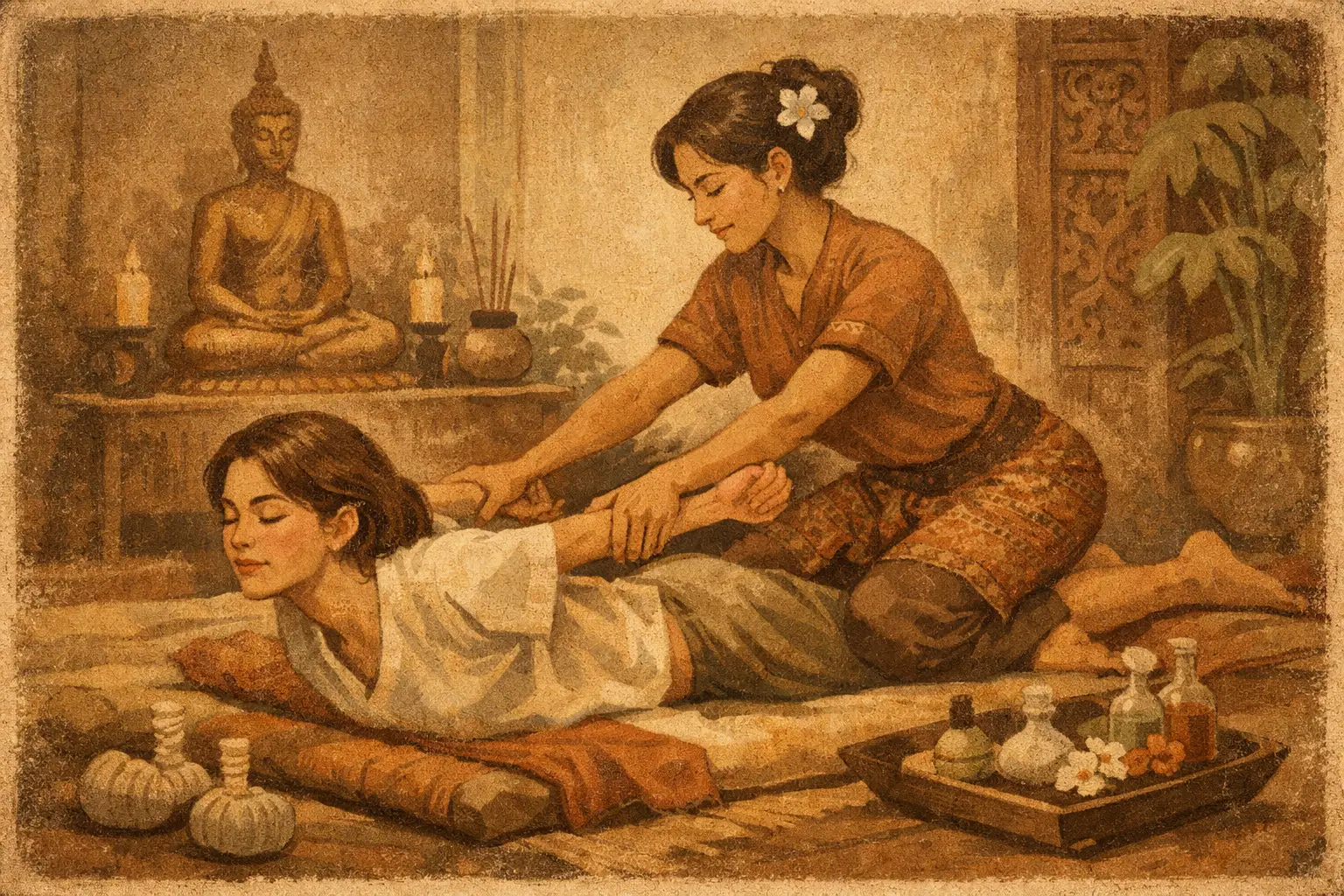
A tight neck after a long week at a desk, stiff hips after driving, or legs that never quite recover after physical work can make even ordinary movement feel harder than it should. Authentic Thai massage in St Catharines offers a hands-on approach for people who want more than a brief escape from tension. It combines focused pressure with guided movement to help the body release, lengthen, and settle into a more comfortable range of motion.
For many people, the first question is simple: what makes Thai massage different from a standard oil massage? The answer is in both the technique and the experience. Traditional Thai massage is performed fully clothed, usually in comfortable, flexible clothing, and uses assisted stretching, acupressure, rhythmic compression, and careful joint mobilization. Rather than asking you to do all the work of stretching on your own, the therapist guides the body through positions that can help ease restrictions in the hips, back, shoulders, and legs.
What Authentic Thai Massage Feels Like
Thai massage is often described as passive stretching, but that phrase only tells part of the story. A skilled session moves between steady pressure and supported stretches based on what your body needs that day. The therapist may use hands, palms, thumbs, forearms, or elbows to work through areas of muscular tension, then use gentle movement to encourage space and mobility around those areas.
You may feel a satisfying stretch through the hamstrings, hips, chest, or shoulders. You may also notice that areas you had not considered connected, such as your feet and calves affecting your lower back, receive attention during the session. The work should feel purposeful, not overwhelming. Some focused pressure can be intense when a muscle is very tight, but you should always be able to communicate what feels comfortable.
At Warin Thai Massage, sessions are personalized around your concerns, whether that is recurring shoulder tightness, lower-back discomfort, limited hip movement, tired legs, or general stress. A good Thai massage is not about pushing the body past its limits. It is about meeting the body where it is and helping it move with less resistance.
Why Assisted Stretching Can Make a Difference
Many adults know they should stretch more, yet it can be difficult to stretch consistently or reach certain areas effectively on your own. Long workdays, repetitive movements, exercise routines, and old patterns of posture can all leave muscles feeling shortened and guarded.
Assisted stretching gives you support while allowing the therapist to guide the movement gradually. This can be especially helpful for people who feel restricted through the hips, hamstrings, chest, or upper back. When the body is supported, it may be easier to relax into a stretch instead of bracing against it.
The benefit is not simply flexibility for its own sake. Better mobility can make daily activities feel easier, from turning your head while driving to reaching overhead, climbing stairs, bending down, or getting up after sitting for a long time. Results vary from person to person, particularly when stiffness has built up over years, but many clients notice that they feel lighter and more open after a session.
Acupressure for Focused Tension Relief
Along with stretching, traditional Thai massage uses acupressure to address tight, overworked areas. This involves sustained, intentional pressure along the muscles and areas of tension rather than quick rubbing across the surface.
For someone whose shoulders creep upward during stressful days, acupressure can help calm the dense, tired feeling around the neck and upper back. For people who spend hours standing, walking, lifting, or exercising, work through the feet, calves, and legs can help reduce that heavy, fatigued sensation. The pressure is adjusted to your preference and your response during the treatment.
It is normal to notice tender spots, especially in muscles that have been working hard to compensate for limited movement elsewhere. Tender does not need to mean painful. Clear communication helps the therapist work effectively while keeping the session restorative.
Is Traditional Thai Massage Right for You?
Authentic Thai massage can be an excellent choice for active adults, busy professionals, and people with physically demanding jobs. It is particularly well suited to those who feel stiff, compressed, or limited in movement and want a session that addresses both tension and flexibility.
It may also be a good fit if you prefer to remain clothed during your massage or if you enjoy a more active style of bodywork than a traditional relaxation massage. The table-based approach at a dedicated studio offers stable, comfortable support while making assisted stretching accessible for a wide range of bodies and mobility levels.
That said, the best treatment depends on your goals. If your main need is deep relaxation and soothing work with oil, a Swedish oil massage may be the better choice. If your muscles feel especially dense and tired, hot stone therapy can bring comforting warmth to the session. If you want a blend of targeted stretching and flowing massage techniques, a Thai-Swedish combination may offer the right balance.
People with recent injuries, surgery, acute inflammation, certain medical conditions, or pregnancy should share that information before booking. A thoughtful therapist can help determine whether adjustments are appropriate or whether another type of care should come first. Massage can support comfort and mobility, but it is not a replacement for medical assessment when pain is severe, sudden, or persistent.
What to Expect at Your First Session
Your first appointment should begin with a short conversation about how you are feeling and what you hope to improve. Mention areas that feel painful, movements that are difficult, injuries you have had, and whether you prefer lighter or firmer pressure. These details help shape a session that is specific to you rather than a one-size-fits-all routine.
Wear clothing that allows you to bend and stretch comfortably, such as a T-shirt and flexible pants or athletic wear. Since traditional Thai massage is performed fully clothed, there is no need for massage oil during this type of treatment. The studio setting should feel clean, calm, and private, giving you room to focus on your body without distraction.
During the massage, the therapist may ask for feedback as they work. This is welcome, not disruptive. Let them know if a stretch feels too strong, if an area needs more attention, or if you would like less pressure. The most useful session is a collaborative one.
Afterward, you may feel deeply relaxed, looser through the joints, or pleasantly tired. Drinking water, taking an easy walk, and avoiding an unusually strenuous workout immediately afterward can help you notice how your body responds. Some people feel their best right away, while others notice improved movement over the following day.
Choosing Authentic Thai Massage in St Catharines
When you are looking for Thai massage, experience and attentiveness matter more than a generic description on a service menu. Authentic practice involves much more than adding a few stretches to a regular massage. It requires an understanding of how pressure, positioning, breath, and movement work together to support the whole body.
Look for a practitioner who listens before beginning, adapts pressure instead of forcing a set routine, and can explain the differences among Thai, Swedish, hot stone, and cupping options in clear language. Transparent session lengths and pricing also make it easier to choose care that fits your needs without uncertainty.
Regular sessions can be helpful when tension is recurring, especially if your work, training, or daily habits continue to place strain on the same areas. Still, frequency depends on your body and goals. Some clients book when stiffness starts to affect their movement, while others make massage part of a consistent wellness routine. There is no single schedule that works for everyone.
A thoughtful Thai massage session gives your body permission to slow down while also helping it move forward. If tension has become your normal, choosing care that is focused, responsive, and grounded in traditional technique can be a meaningful first step toward feeling better, moving better, and living better.
Leave a Reply