 Skip to content
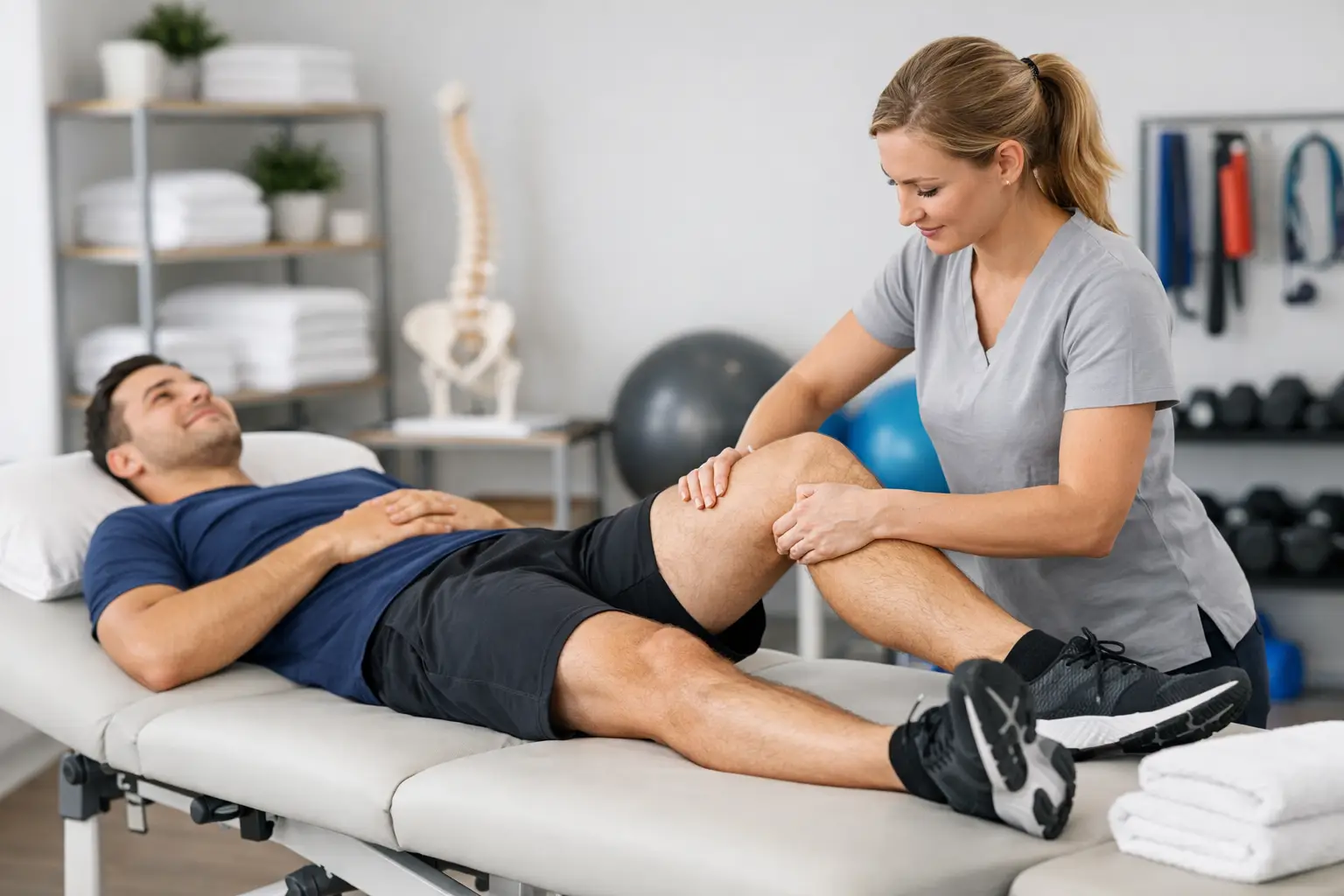
A long day on your feet can leave your calves feeling dense and tight, your thighs heavy, and each set of stairs harder than it should be. Massage for sore legs is not just about feeling relaxed for an hour. When it is tailored to the areas that are working hardest, it can help reduce muscle tension, encourage comfortable movement, and give your body a better chance to recover.
Sore legs can affect anyone. They are common after a demanding shift, a long drive, a new workout routine, a weekend of walking, or hours spent sitting at a desk. The right approach depends on where the discomfort is concentrated, what caused it, and whether your goal is immediate relief, better mobility, or support for an active recovery routine.
Why Legs Feel Sore and Heavy
Your legs carry a remarkable amount of your daily workload. Calves help propel you through each step, quadriceps support climbing and squatting, hamstrings assist with walking and bending, and hip muscles help keep your movement balanced. When one area is overworked or stiff, the tension can affect how the whole lower body feels.
Active people may notice soreness after running, soccer, cycling, strength training, or a sudden increase in training volume. People in physically demanding jobs often feel it after standing, lifting, or walking on hard floors. Desk work can create a different kind of leg discomfort. Hours of sitting may leave the hips and hamstrings feeling shortened, while the calves and feet can feel stiff once you get moving again.
Sometimes the issue is less about one intense activity and more about repetition. A familiar route, posture, or work task can gradually build tension in the calves, thighs, hips, and lower back. That is why a session should not treat the legs as separate from the rest of the body. How your hips, feet, and back are feeling matters too.
How Massage for Sore Legs Can Help
A thoughtful massage uses pressure, movement, and stretching to address tight, fatigued tissue without forcing the body to relax. The immediate experience should feel relieving and productive, not like you have to endure discomfort to get results.
Massage can help warm and soften areas that feel guarded after activity. It may also support circulation in the treated area and help reduce the sense of heaviness that comes with tired muscles. For many clients, the most noticeable benefit is that walking, bending, or climbing stairs feels easier afterward.
The effects are not identical for everyone. A person with post-workout calf tightness may respond well to focused work and gentle stretching. Someone who stands all day may need more attention through the feet, calves, and hips. If soreness is intense after a new activity, a lighter, recovery-focused session may be a better choice than deep pressure.
Pressure should match the problem
More pressure is not always better. Deep work can feel useful for established tension, especially in dense calves, thighs, or glutes, but it should be gradual and responsive. If the tissue is very tender or you are recovering from a particularly demanding event, moderate pressure can be more comfortable and just as worthwhile.
Clear communication makes a major difference. Let your therapist know whether your legs feel achy, cramp-prone, tight, weak, or sore only during certain movements. Mention recent workouts, long shifts, old injuries, and any areas where pressure feels too sharp. These details help shape a session around what your body needs that day.
Which Massage Style Works Best for Tired Legs?
There is no single best massage for every kind of leg soreness. The most helpful treatment is the one that matches your comfort level, activity, and goals.
Traditional Thai massage for stiffness and mobility
Traditional Thai massage is especially helpful when sore legs come with a feeling of overall stiffness. Performed fully clothed, it combines rhythmic pressure with assisted stretches that can address the calves, hamstrings, quadriceps, hips, and lower back. It is a strong option for clients who want to move more freely and feel less restricted after long hours of sitting, standing, or training.
The stretching component is adaptable. A good session does not push you into positions your body is not ready for. Instead, it works within your available range of motion and gradually encourages ease through the legs and hips.
Swedish oil massage for muscle fatigue
Swedish oil massage offers smooth, flowing work that can be particularly calming when your legs feel worn out from a busy week. It can be adjusted from light to firm pressure and is often a comfortable choice for general muscle fatigue, lingering tightness, and the need to slow down.
For people who are new to massage, this approach can feel approachable while still giving the therapist room to focus on specific areas, such as the calves or outer thighs.
Hot stone massage for deep warmth
Hot stone massage may be a good fit when cold, tense muscles are making your legs feel heavy or stiff. The warmth can help the body settle before hands-on work begins, allowing the therapist to work with less force. It can be especially comforting during colder months or after a week of repetitive physical work.
Hot stone massage is not ideal for every situation, so share any sensitivity to heat or health considerations before your appointment. Comfort comes first.
Cupping as part of a targeted session
For clients who enjoy focused bodywork, cupping can be added to a Thai combination oil massage. It may help address areas that feel especially congested or tight, such as the calves, hamstrings, or upper legs. Temporary marks can occur, so it is useful to plan around visible skin exposure if that matters to you.
Cupping is not necessary for effective leg massage. It is simply one option that may suit people who want a different form of targeted work as part of a personalized session.
What to Expect During a Leg-Focused Session
A useful appointment begins with a conversation, not an assumption. Your therapist should ask what has been bothering you, how long it has been present, and what you want to be able to do more comfortably afterward. You may want to focus on calves after running, release tension through your thighs after work, or improve hip and hamstring mobility that affects your stride.
The session may include work on the feet, calves, thighs, hips, and glutes because these areas often influence one another. If one calf is tighter than the other, for example, the therapist can assess the surrounding areas rather than concentrating on one spot alone.
You should feel welcome to request adjustments throughout the session. Pressure, positioning, warmth, and stretching should all be adapted to your comfort. A professional massage is collaborative: your feedback helps create better results.
Getting More From Your Massage
A massage can be part of a practical recovery routine, but it works best when supported by simple habits afterward. Drink water as you normally would, allow time for a gentle walk, and avoid jumping straight into your most demanding workout if your legs feel tender from focused work.
Pay attention to what changes. You may notice that your hips feel freer, your calves feel less tight in the morning, or your usual walk feels smoother. Those observations are useful for planning future sessions and identifying patterns in your work, exercise, or daily posture.
Regular appointments can make sense for people with recurring leg tension, but the right frequency varies. An athlete in a heavy training period may benefit from more consistent care, while someone preparing for a demanding work week may book when stiffness begins to build. The goal is not to chase soreness. It is to support comfort and movement before tension becomes your normal.
When to Pause and Seek Medical Care
Massage is suited to common muscular tightness and fatigue, but not every leg symptom should be massaged. Sudden swelling, redness, warmth, unexplained severe pain, numbness, weakness, or pain after a significant injury should be assessed by an appropriate healthcare professional before booking bodywork.
Also let your therapist know about recent procedures, skin irritation, varicose veins, pregnancy, or any condition that may affect the type of massage that is appropriate. Honest intake information helps keep your session safe and comfortable.
If sore legs are keeping you from enjoying work, training, or simple daily movement, personalized care can make a meaningful difference. At Warin Thai Massage in St. Catharines, each session is adapted to the areas that need attention most. Book your session online and give your legs the skilled, restorative care they have been asking for.
Leave a Reply