 Skip to content
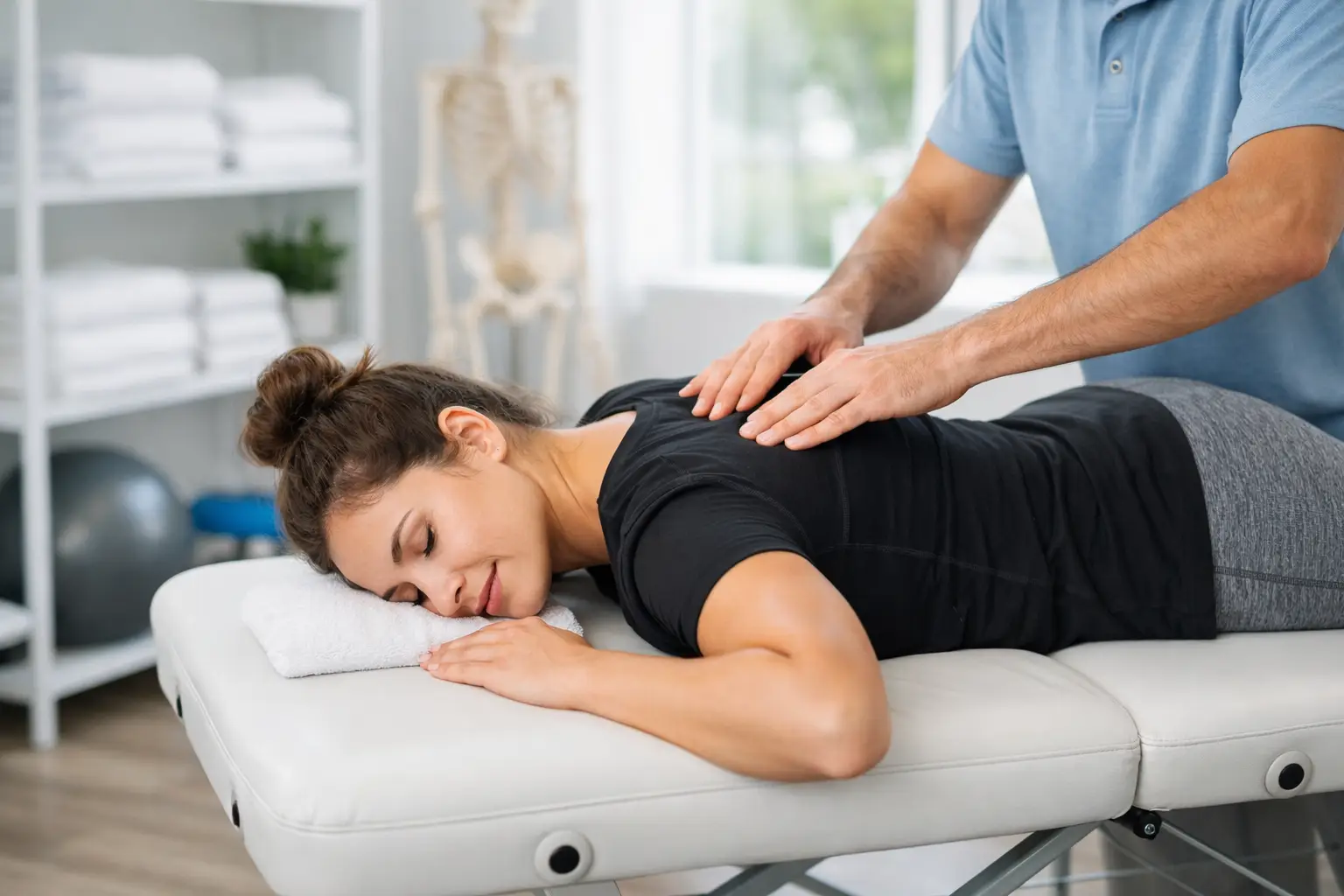
That tight, tender spot beside your shoulder blade or deep in your hip can make an ordinary workday feel much longer. Many people try to massage muscle knots as soon as they feel them, pressing harder and harder in hopes of making the tension disappear. Sometimes that brings short-term relief. Other times, it leaves the area sore, guarded, and just as tight the next morning.
A better approach is calm, gradual, and specific. Muscle knots usually respond best when you consider the surrounding muscles, your movement habits, and the amount of pressure your body can comfortably accept. The goal is not to force a knot away. It is to help tense tissue relax so you can move with less discomfort.
What a muscle knot usually feels like
The term “muscle knot” is commonly used for a small, sensitive area of muscle that feels tight, ropy, or noticeably firmer than the tissue around it. You may notice it after hours at a desk, a demanding shift, a challenging workout, poor sleep, or repeating the same movement over and over.
A knot in the upper back may send discomfort into the neck or shoulder. Tightness in the glutes or hip area can make sitting, climbing stairs, or walking feel less comfortable. Calves and thighs often develop sore spots after running, soccer, or long periods on your feet.
These areas are not always caused by one single event. They can develop when muscles stay under load without enough recovery, when posture becomes fixed for long periods, or when the body compensates for stiffness somewhere else. That is why working only on the most painful point does not always create lasting relief.
How to massage muscle knots safely at home
Start with warmth and gentle movement rather than intense pressure. A warm shower, heating pad, or a few minutes of easy walking can help the area feel more receptive. Then move the nearby joints slowly through a comfortable range. For example, if your shoulders feel tight, roll them gently, reach your arms forward, and take a few unhurried breaths before trying self-massage.
Use your fingers, a massage ball against a wall, or a roller with light-to-moderate pressure. Stay on the tender area or just beside it for about 20 to 30 seconds, then ease off. You can repeat this a few times, but avoid chasing pain. A useful level of pressure may feel tender or relieving, yet you should still be able to breathe normally and relax your jaw and shoulders.
Afterward, move the area again. A knot in the calf may feel better after a short walk and ankle circles. Upper-back tension may respond well to gentle chest-opening stretches and shoulder movement. Massage can calm a tense area, but movement helps your body use that newly available range of motion.
Pressure is not proof that it is working
Deep pressure has a place, especially when it is applied thoughtfully. But more force is not automatically better. Bruising, sharp pain, tingling, numbness, or a strong urge to hold your breath are signs to stop or reduce the pressure.
Aggressive self-massage can irritate already sensitive tissue. It can also make the surrounding muscles tighten protectively. If a spot is intensely painful, begin around it rather than directly on it. As the nearby tissue softens, the tender point may become easier to address.
Why the same knots keep coming back
Recurring muscle tension often has a pattern. If you spend most of the day leaning toward a screen, the muscles around the neck, chest, shoulders, and upper back may all be involved. If you train hard but skip recovery, your hips, calves, and hamstrings may stay loaded from one workout to the next.
The answer is rarely to stop moving completely. In many cases, regular changes of position, basic mobility work, adequate rest, and a massage approach matched to your body can make a meaningful difference. It also helps to notice when the tension appears. Does it build after driving? After lifting? After a long day of sitting? That information makes care more targeted.
Breathing matters, too. When people are stressed or concentrating, they often take shallow breaths and hold tension through the jaw, shoulders, ribs, and abdomen. Slowing down for a few fuller breaths during stretching or massage can make it easier for tight muscles to let go.
When professional massage is a better choice
Self-massage is useful for everyday maintenance, but it has limits. It is hard to reach the back, shoulders, hips, and legs effectively on your own, and it can be difficult to tell which surrounding areas are contributing to the discomfort.
A skilled massage therapist can assess how your muscles feel and adapt the session to your goals that day. Someone with upper-back tightness from desk work may benefit from focused work through the shoulders, chest, neck, and arms, followed by comfortable assisted stretches. An active person with heavy legs may need a different pace and pressure, with attention to the calves, hamstrings, hips, and overall recovery.
Traditional Thai massage can be particularly helpful for people who feel both tight and restricted in their movement. Performed fully clothed on a raised table, it combines deliberate pressure with supported stretching and mobility work. The treatment can be adjusted for comfort, whether you want focused attention on a stubborn shoulder area or a more complete session for hips, legs, and back.
For others, Swedish oil massage, hot stone massage, or a Thai-Swedish combination may be a better fit. Oil massage can help create a smooth, relaxing flow across larger muscle groups. Hot stones may feel especially soothing when general tension is making the body feel guarded. Cupping can be incorporated into an appropriate session for clients who enjoy that modality and want targeted work alongside massage.
The right choice depends on how you feel, what activities load your body, and whether you prefer clothed stretching, oil-based massage, or a combination of techniques. Clear communication about pressure, sensitivity, and past experiences is always part of personalized care.
Areas that benefit from a broader approach
Some knots are easy to identify but need more than a single-point massage. Shoulder blade tension, for example, may be connected to tight chest muscles, repetitive arm use, or a stiff upper back. A sore spot in the glutes may be affected by prolonged sitting, hip mobility, or tired legs after activity.
During a session, working the surrounding tissue first can help the body settle before more focused pressure is used. This often feels more comfortable than immediately pushing into the most tender spot. It can also support better range of motion afterward, whether you are reaching overhead, turning your head while driving, squatting, or simply getting through a workday with less stiffness.
Know when to pause and seek appropriate care
Massage is intended for muscular tension and everyday discomfort, not for evaluating an injury or medical condition. Avoid massaging an area that is newly swollen, visibly bruised, hot, or sharply painful. Seek appropriate medical evaluation for pain after a significant fall or collision, sudden weakness, numbness that persists, unexplained symptoms, or discomfort that continues to worsen.
For more familiar tightness, pay attention to how your body responds over the next day. Feeling relaxed, looser, or mildly tender after massage can be normal. Feeling significantly worse after every attempt is a reason to reduce intensity and get individualized guidance.
Make relief part of your routine
Muscle knots are often your body’s way of asking for a break in the pattern. A few minutes of movement between tasks, a more supportive work setup, recovery after training, and regular bodywork can all help keep tension from building to an uncomfortable level.
If recurring tightness in your shoulders, back, hips, or legs is limiting how you feel and move, Joy at Warin Thai Massage in St. Catharines can tailor a session around your specific problem areas and comfort level. Book your session online and give your body the focused care it needs to feel better, move better, and live better.
Leave a Reply