 Skip to content
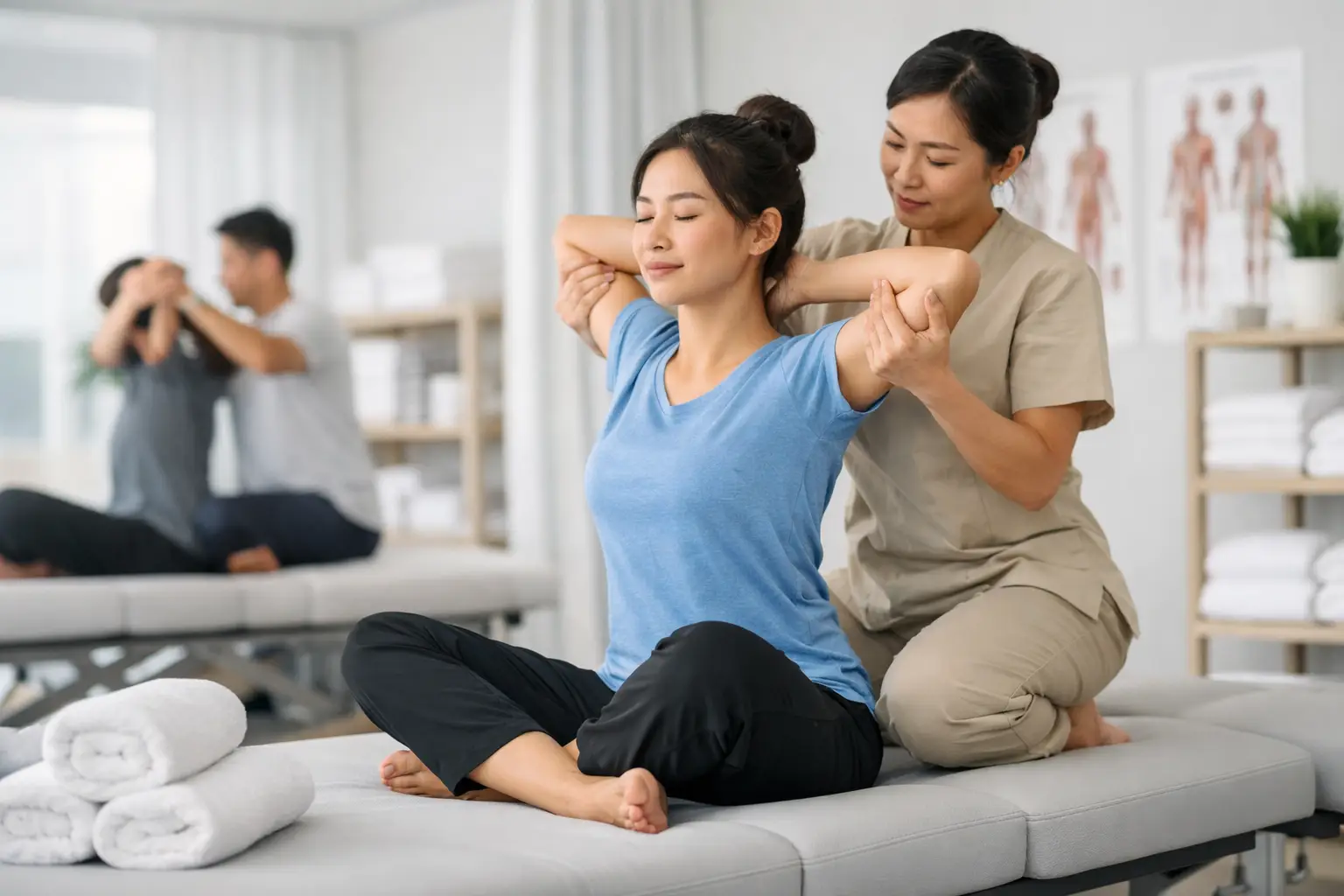
If you are wondering, “is Thai massage fully clothed?” the answer is yes for a traditional Thai massage. You remain dressed in comfortable, flexible clothing while your therapist uses rhythmic pressure, guided stretches, and supported movement to address areas of tension. For many first-time clients, that simple detail makes the experience feel more approachable from the moment they arrive.
Traditional Thai massage is designed to help you feel better and move more freely without the use of massage oil. It is a practical choice for people who spend long hours at a desk, work physically demanding jobs, train regularly, or simply feel tight through the shoulders, back, hips, and legs.
Is Thai Massage Fully Clothed During the Entire Session?
In a traditional Thai massage session, yes. You wear loose, comfortable clothing throughout your appointment. Athletic wear, yoga pants, a T-shirt, or lightweight pants and a top are all good options because they allow your body to move easily during assisted stretching.
At Warin Thai Massage, traditional Thai bodywork is performed fully clothed on a raised massage table. This differs from the floor-based setup some people may picture when they think of Thai massage. The therapeutic goals remain the same: focused pressure, mindful stretching, and movements adapted to your comfort and mobility.
Your therapist works through your clothing using hands, palms, thumbs, forearms, and sometimes elbows. The pressure is adjusted based on the areas you would like to address and what feels productive for your body. A session should feel purposeful, never rushed or uncomfortable.
Why clothing matters in Thai massage
Clothing supports the style of bodywork involved. Traditional Thai massage includes passive stretches, meaning your therapist carefully guides a limb or part of your body through a range of motion while you relax. Flexible clothing lets you bend, lengthen, and reposition comfortably.
It also gives many clients a greater sense of ease, especially if they are new to massage. There is no need to prepare for oil application or wonder how to position yourself under a sheet. You can arrive in suitable clothing, communicate your goals, and settle into the session.
What Does a Fully Clothed Thai Massage Feel Like?
Thai massage is often described as active relaxation. You are not doing a workout, but the session may include movements that gently lengthen tight muscles and encourage easier mobility. Between stretches, your therapist applies steady acupressure-style compression to areas that feel overworked or restricted.
Someone with desk-related neck and shoulder tension may benefit from focused work through the upper back, chest, arms, and shoulders, followed by gentle movement to reduce that closed-in feeling. A runner or soccer player may need more attention through the calves, hamstrings, hips, and lower back. The approach changes based on your body, your daily demands, and your feedback.
Some pressure can feel intense in a tight area, but intensity is not the same as pain. Tell your therapist if pressure feels sharp, pinching, or too strong. Good Thai massage is collaborative. Adjustments to pressure, stretching depth, positioning, and pace help make the work both comfortable and effective.
What Should You Wear for Thai Massage?
Choose clean clothes that are breathable and easy to move in. Think of what you might wear for gentle stretching at home: a T-shirt or long-sleeve shirt with joggers, leggings, athletic pants, or loose shorts if you are comfortable with the range of movement they allow.
Avoid restrictive jeans, stiff belts, bulky layers, or clothing with large zippers and buttons. These can make it harder to relax on the table and may limit movement during leg, hip, or shoulder stretches. You may also want to avoid slippery fabrics, since your therapist needs stable contact through the clothing.
Socks are optional. Some clients prefer to keep them on, while others find it more comfortable to remove them for foot and lower-leg work. Either choice is fine. The most useful rule is simple: wear something that lets you move without feeling self-conscious or confined.
Do you need to bring a change of clothes?
Usually, no. If you are coming from work in restrictive clothing, bringing a change is helpful. Otherwise, arriving in comfortable clothes is enough. If you have questions about what is best for your particular appointment, ask when booking so you can arrive feeling prepared.
Thai Massage vs. Oil Massage: The Main Difference
Traditional Thai massage is fully clothed and generally does not use oil. Swedish oil massage, hot stone massage, and certain combination services use massage oil and are performed with professional draping. In those treatments, the therapist works directly on the skin in the areas being treated while keeping the rest of your body appropriately covered.
Neither style is automatically better. It depends on what your body needs and what type of experience you prefer.
Thai massage can be especially helpful when you want more stretching, compression, and movement-focused work. It often suits people with stiffness in the hips, legs, shoulders, or back who want to improve how freely they move. It can also be an excellent option if you prefer to remain fully clothed.
Oil massage may be a better fit when you want longer gliding strokes, soothing heat from hot stones, or direct work on muscular tension. A Thai-Swedish combination can offer both approaches in one personalized session: Thai-inspired stretching and pressure alongside Swedish techniques for relaxation and muscle relief.
Your therapist can help you choose an appropriate service, but the decision should reflect your comfort level as much as your physical goals. If you are unsure, explain where you feel tight, what activities affect your body, and whether you prefer to stay clothed. That is enough to begin a thoughtful conversation.
What Happens at Your First Thai Massage Appointment?
Your first session starts with listening. Before the hands-on work begins, your therapist will ask what you would like help with. You might mention recurring upper-back tightness, sore legs after exercise, limited hip mobility, or the tension that builds after a demanding week.
This conversation also gives you space to share preferences. Let your therapist know if you prefer gentle, moderate, or firmer pressure; if a position is difficult for you; or if there is an area you do not want worked on. You do not need to know technical terms. Clear, everyday language is more than enough.
During the session, you may lie on your back, stomach, or side depending on the techniques being used and your comfort. Your therapist may ask you to bend a knee, relax an arm, or shift position. These instructions are simple and are always intended to support safe, effective movement.
Afterward, many clients feel looser, calmer, and more aware of where they had been holding tension. Others notice the biggest difference later that day or after a good night’s sleep. Your response can vary based on the amount of tension present, your activity level, hydration, and the intensity of the session.
When Fully Clothed Thai Massage Is a Good Choice
A traditional Thai session is particularly appealing if you want focused bodywork without oil, enjoy the feeling of supported stretching, or need attention across several connected areas. Tight hips can influence the lower back and legs. Shoulder tension can travel into the neck and arms. Thai massage allows a therapist to work with these movement patterns rather than treating one spot in isolation.
It is also a useful choice for clients who want a massage that feels restorative but not passive. You can relax deeply while still receiving the benefits of guided movement and targeted pressure. For many people in St. Catharines and across Niagara, that balance fits the demands of work, training, and everyday life.
There is no need to guess what you should tolerate or how a session is supposed to feel. The best appointment is one built around your goals, your comfort, and the way your body responds that day. Book Your Session online and give yourself time to feel better, move better, and live better.
Leave a Reply