 Skip to content
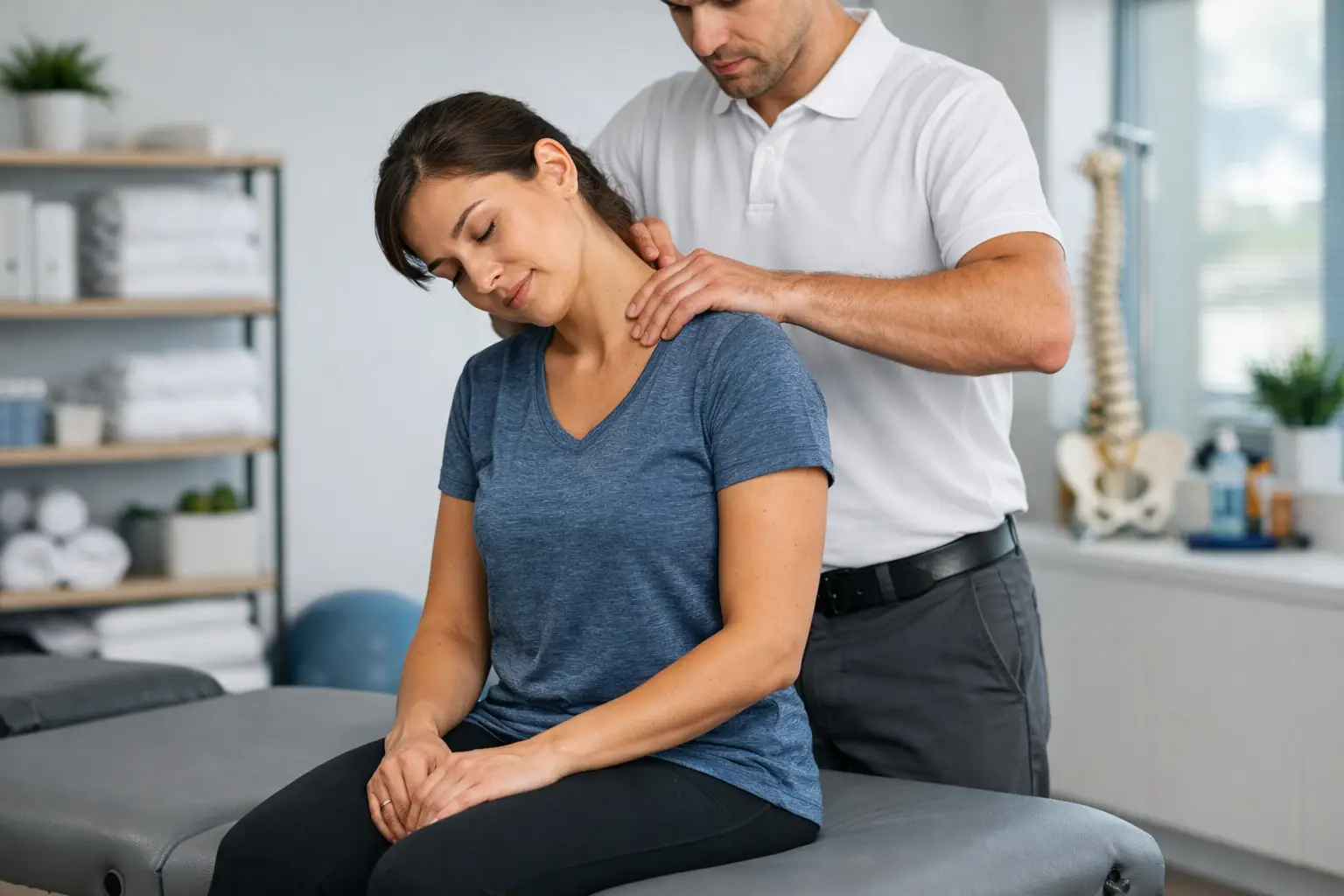
A long day at a desk can leave your body feeling as though it has been working far harder than it looks. Your shoulders creep toward your ears, your neck feels tight when you turn your head, and your low back or hips may ache when you finally stand up. The best massage for desk workers is not always one single style. It is the massage that addresses the areas being asked to compensate all day, while helping you relax and move more comfortably afterward.
For many people, the most useful session combines focused work for the neck, shoulders, upper back, hips, and legs with a calming pace that lets the nervous system settle. The right approach depends on whether your main concern is stiffness, deeper muscle tension, limited mobility, or the need to fully decompress after a demanding week.
Why Desk Work Creates So Much Tension
Sitting itself is not automatically harmful. The issue is staying in one position for too long, especially when the head reaches forward toward a screen, the shoulders round, and the hips remain bent for hours. Even a carefully arranged workstation cannot replace regular movement.
The muscles around the neck and upper back often work continuously to hold the head upright. Meanwhile, the chest can feel shortened from a rounded posture, and the muscles around the hips may become stiff from prolonged sitting. Some people notice discomfort between the shoulder blades. Others feel it most in the low back, glutes, hamstrings, or legs.
Stress adds another layer. When emails pile up or deadlines tighten, many people unconsciously clench their jaw, brace their shoulders, and breathe more shallowly. A thoughtful massage can help reduce that built-up muscle tension while creating space for easier breathing and more natural movement.
The Best Massage for Desk Workers Depends on Your Body
A good massage should not follow a fixed script. Your therapist should ask where you feel discomfort, how long it has been bothering you, what your workday looks like, and what pressure feels comfortable. That conversation helps shape a session around your real needs rather than treating every desk-related ache the same way.
Traditional Thai Massage for Stiffness and Mobility
Traditional Thai massage is an excellent choice for desk workers who feel generally tight, compressed, or limited in their range of motion. Performed fully clothed on a raised table, this style uses rhythmic pressure, acupressure, and therapist-assisted stretching.
For someone who spends much of the day seated, Thai techniques can be especially helpful for the hips, glutes, hamstrings, chest, shoulders, and upper back. Assisted stretches encourage movement through areas that may have become restricted from staying still. Focused pressure can also help release tension in overworked muscles around the shoulders and back.
Thai massage is often a strong fit when you want to feel more open and mobile, not simply relaxed. The stretching is always adapted to your comfort and flexibility. You do not need to be especially flexible to benefit from it.
Thai Combination Swedish Massage for Targeted Relief
For many office professionals, a Thai combination Swedish massage offers the most balanced approach. It brings together the stretching and pressure techniques of Thai massage with flowing Swedish massage strokes designed to encourage relaxation and circulation.
This combination works well when your neck and shoulders feel tight but you also want a full-body reset. The therapist can spend focused time on problem areas, then use Swedish techniques to ease the surrounding muscles and help the whole body unwind.
It is a practical choice if you are new to Thai massage or if you enjoy a session that feels both therapeutic and deeply calming. Pressure can be adjusted throughout, from gentle relaxation work to firmer attention in stubborn areas.
Swedish Oil Massage for Stress-Related Shoulder Tension
Swedish oil massage is ideal when desk tension is closely tied to stress, poor sleep, or the feeling that your body cannot switch off after work. Long, smooth strokes and kneading techniques support relaxation while helping ease surface-level and moderate muscle tightness.
This option can be particularly comforting for people with tense shoulders, a tired upper back, or general full-body soreness. It may not include the same level of assisted stretching as Thai massage, but it can be the better fit if your priority is calming your body and mind after a high-pressure week.
If you tend to leave work feeling wound up rather than simply stiff, Swedish oil massage may help you step out of that constant braced posture and into a more restful state.
Hot Stone Massage for Deep, Gentle Warmth
Hot stone massage can be a welcome option when tight muscles feel resistant to regular pressure or when you want a gentler experience without sacrificing a sense of depth. Warm stones are placed and used carefully to bring soothing heat into tense areas.
For desk workers, warmth can feel especially helpful across the upper back, shoulders, and low back. Heat encourages the muscles to soften, allowing massage techniques to feel more comfortable. A hot stone session is often chosen by people who are sensitive to deep pressure but still want meaningful relief from ongoing tightness.
The trade-off is that hot stone massage may not be the best match if your main goal is active stretching and mobility work. In that case, a Thai or Thai-Swedish combination may better suit your needs.
Cupping as an Add-On for Persistent Tight Areas
Thai combination oil massage with cupping can be useful for clients who experience recurring tightness in areas such as the shoulders, upper back, low back, or legs. Cupping is used alongside massage, not as a replacement for it, and can create a different sensation from hands-on pressure.
Some people appreciate it when they have a particularly stubborn area that feels congested or overworked. Others prefer a session focused entirely on massage and stretching. Cupping can leave temporary circular marks, so it is worth mentioning if you have an event, photos, or skin sensitivity concerns in the days ahead.
What to Ask for During Your Session
Clear communication helps turn a good massage into a personalized one. Let your therapist know if your job involves long stretches at a computer, frequent video calls, driving, or working with multiple screens. These details can point to common tension patterns, but your body’s response matters more than your job title.
You can also mention whether discomfort is strongest at the end of the day, after waking, or during certain movements. If turning your head is uncomfortable, sitting causes hip stiffness, or your upper back feels tight when you take a deep breath, those are useful details for planning the session.
Be honest about pressure. More pressure is not always better. Effective bodywork should feel productive and manageable, not like you are bracing against pain. A skilled therapist can adjust technique, pace, and pressure so the work is both comfortable and effective.
How Often Should Desk Workers Get Massage?
There is no single schedule that fits everyone. If you are dealing with frequent tension from a demanding desk job, starting with regular sessions can help you better understand what your body responds to. Some clients prefer appointments every two to four weeks, while others book around stressful work periods, travel, workouts, or flare-ups of stiffness.
Consistency usually matters more than intensity. One session can provide welcome relief, but recurring tension often reflects recurring habits: long hours seated, limited breaks, stress, and sleep that does not fully restore you. Massage works best as part of a realistic routine that includes standing up regularly, changing positions, taking short walks, and giving your shoulders a break from screens.
Small Changes That Help Your Massage Last Longer
You do not need a perfect ergonomic setup or an hour-long exercise routine to support your results. The most practical goal is more frequent movement. Stand when you take a phone call, roll your shoulders between tasks, and avoid waiting until you are completely sore to take a break.
After a massage, drink water, move gently, and give yourself a little extra time before returning to intense workouts. You may feel looser right away, or you may notice gradual changes over the next day or two. Both responses can be normal.
For desk workers in St. Catharines and across the Niagara region, Warin Thai Massage offers personalized sessions that can combine authentic Thai stretching, Swedish techniques, hot stones, or cupping based on what your body needs. Book Your Session online and give your neck, shoulders, back, and hips the attentive care they have been asking for. Feeling better at your desk often starts with moving better when you step away from it.
Leave a Reply