 Skip to content
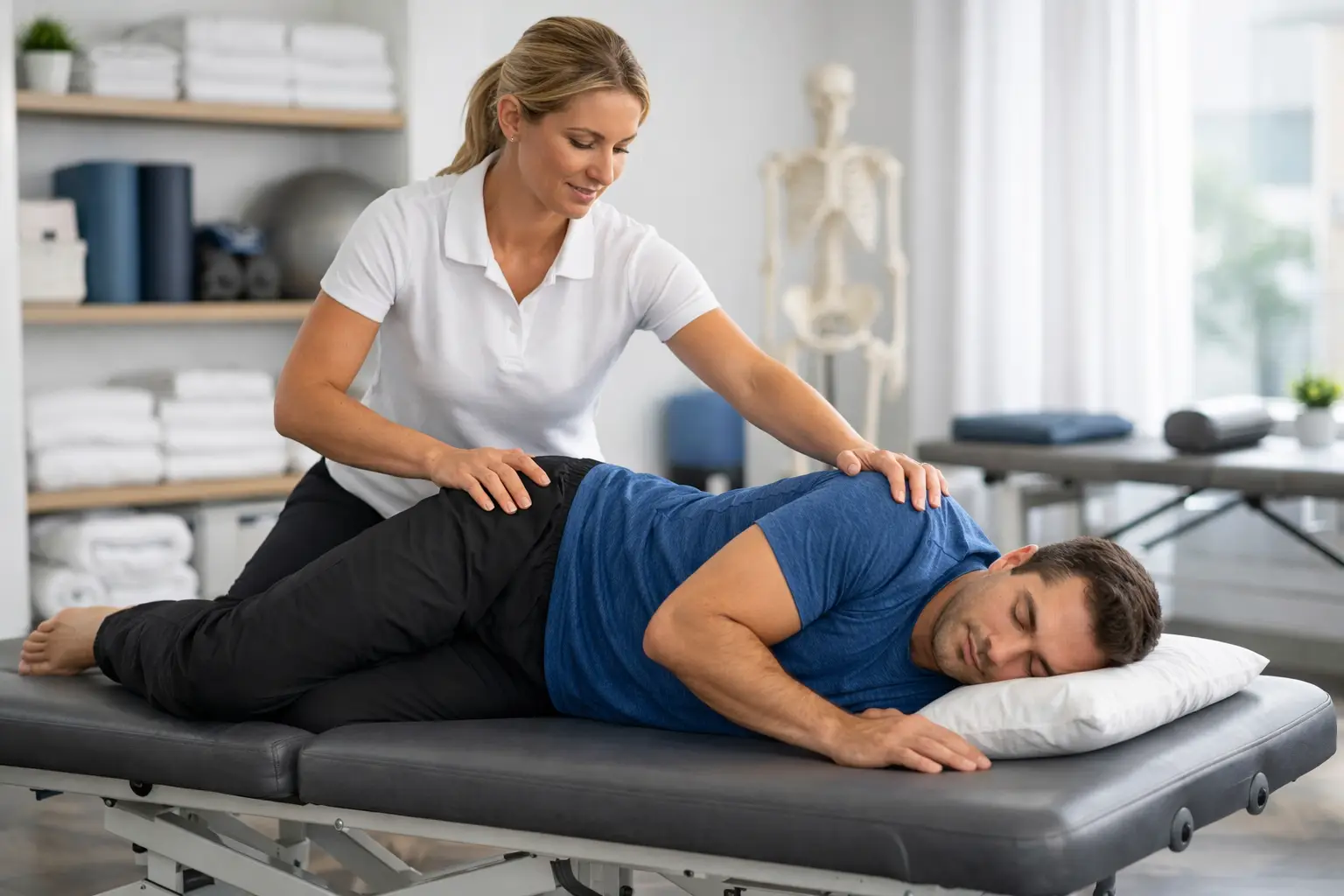
A stiff hip when you get out of the car, shoulders that resist reaching overhead, or legs that feel heavy after a long shift can make ordinary movement feel harder than it should. Massage mobility improvement is about more than feeling relaxed for an hour. With the right hands-on approach, it can help reduce muscle tension that limits your range of motion, making daily activity, work, training, and recovery feel more comfortable.
At Warin Thai Massage, each session is adapted to how your body feels and moves that day. Some clients need focused work around the neck and shoulders after desk work. Others need support for tight hips, legs, knees, or lower back after physical work, sport, or long periods of sitting. The goal is not to force flexibility. It is to help your body release unnecessary tension so movement can feel more natural.
What Massage Mobility Improvement Really Means
Mobility is your ability to move a joint with control through a comfortable range of motion. Flexibility is part of that picture, but it is not the whole story. You may be able to stretch a muscle, for example, yet still feel restricted when you squat, turn your head, climb stairs, or reach for something overhead.
Tight or overworked muscles can pull your body into compensations. Your shoulders may rise toward your ears while you work. One hip may feel less free than the other when you walk. Your upper back may become stiff as you try to protect a sore area. These patterns are common, especially when the same movements, posture, or physical demands repeat day after day.
Massage can support mobility improvement by encouraging circulation in worked muscles, easing protective tightness, and helping you become more aware of where you are holding tension. When a muscle is less guarded, gentle movement and stretching often feel more accessible. Results vary based on activity level, stress, past injuries, sleep, and how long a restriction has been present, but many people notice they move with greater ease after a tailored session.
Why Stiff Muscles Can Limit Everyday Movement
Muscles do not become tight for only one reason. A desk job can leave the chest, shoulders, hip flexors, and upper back feeling restricted. Physically demanding work can create ongoing fatigue in the forearms, back, glutes, and legs. Active people may feel stiffness after repetitive training, particularly when recovery time is limited.
Sometimes the body responds to discomfort by bracing. That bracing may be subtle, but over time it can affect how you stand, breathe, and move. A tight chest and neck can make turning your head feel awkward. Tension through the hips and glutes can make bending, walking, or getting up from a chair feel less smooth. A thoughtful massage session works with these areas rather than treating one sore spot in isolation.
This is why an individualized approach matters. Deep pressure is not automatically better, and a strong treatment is not the only path to meaningful relief. The best pressure is pressure your body can receive comfortably. When you can relax into the work, the therapist can often address tension more effectively without leaving you feeling overworked afterward.
How Thai Massage Supports Better Range of Motion
Traditional Thai massage combines rhythmic pressure with assisted stretching. Performed fully clothed on a raised table, it allows the therapist to guide your body through comfortable movements while applying targeted acupressure to tense muscles.
For someone with stiff hips, this may involve supported leg and hip stretches paired with focused work through the glutes and thighs. For upper-body tension, the session may include chest-opening positions, shoulder movement, and attention to the upper back and neck. The stretches are adapted to your comfort and current ability. You do not need to be flexible to benefit from Thai massage.
The value of assisted stretching is that you do not have to hold or force the position yourself. Your therapist can support the movement, notice where resistance appears, and adjust the angle or intensity. This can be especially helpful for clients who feel tight after sitting, standing, driving, or training for long periods.
When Oil, Hot Stone, or Cupping May Be a Better Fit
Thai massage is not the only option for mobility-focused care. Swedish oil massage can be a good choice when broad muscle tension and relaxation are the main concerns. Longer, flowing strokes can help soothe tired muscles while targeted work addresses areas that feel restricted.
Hot stone massage may suit clients who feel deeply stiff or generally tense, especially when warmth helps their muscles relax. The heat is used thoughtfully and combined with hands-on massage, not as a substitute for attentive bodywork.
Thai combination oil massage with cupping can be useful for clients who want both relaxing oil work and focused attention on areas of persistent muscular tightness. Cupping may create temporary circular marks, which are common and typically fade over time. Your therapist can explain what to expect and whether this approach fits your preferences before beginning.
Getting More From a Mobility-Focused Massage
A massage session is most useful when it reflects what your body has been doing lately. Before your appointment, think about the movements that feel limited. Is it turning your head while driving? Squatting during a workout? Reaching overhead at work? Walking after a shift? Specific examples help your therapist focus the session where it can be most helpful.
During the massage, communicate clearly about pressure, stretching, and comfort. There is no benefit in pushing through sharp pain or holding your breath to tolerate a position. Thai massage and therapeutic bodywork should feel purposeful, but you should still feel safe and supported throughout the session.
Afterward, give your body a little room to respond. Drink water if you are thirsty, take a short walk, and avoid judging the outcome only by how loose you feel immediately after leaving the studio. Some clients feel lighter right away, while others notice easier movement later that day or the next morning. Gentle, regular movement between appointments can help you maintain the comfort gained during massage.
For ongoing tension, consistency often matters more than one intense session. A client who spends every weekday at a computer may benefit from regular care combined with brief movement breaks. A soccer player or physically active worker may choose sessions around training or demanding shifts. The right frequency depends on your goals, schedule, and how your body responds.
When to Choose a Different First Step
Massage can be a supportive part of a wellness and recovery routine, but it is not appropriate for every situation. If you have sudden severe pain, new numbness or weakness, significant swelling, fever, or pain following a serious accident, seek guidance from a qualified health care provider before booking bodywork.
You should also share relevant injuries, sensitivities, recent procedures, and health considerations during your intake. This helps your therapist choose the safest and most comfortable approach, whether that means lighter pressure, avoiding a certain area, or selecting a different service.
Personalized Care for Stiffness and Movement
Better movement rarely comes from one generic technique. It comes from paying attention to the way your body carries stress, handles activity, and responds to care. Whether you need supported Thai stretches for tight hips, calming oil massage for shoulders that never seem to switch off, or focused bodywork for tired legs, your session should meet you where you are.
If you are looking for massage mobility improvement in St. Catharines or the Niagara region, book your session online with Warin Thai Massage. A personalized appointment can help you feel better, move better, and return to the activities that matter to you with greater comfort.
Leave a Reply