 Skip to content
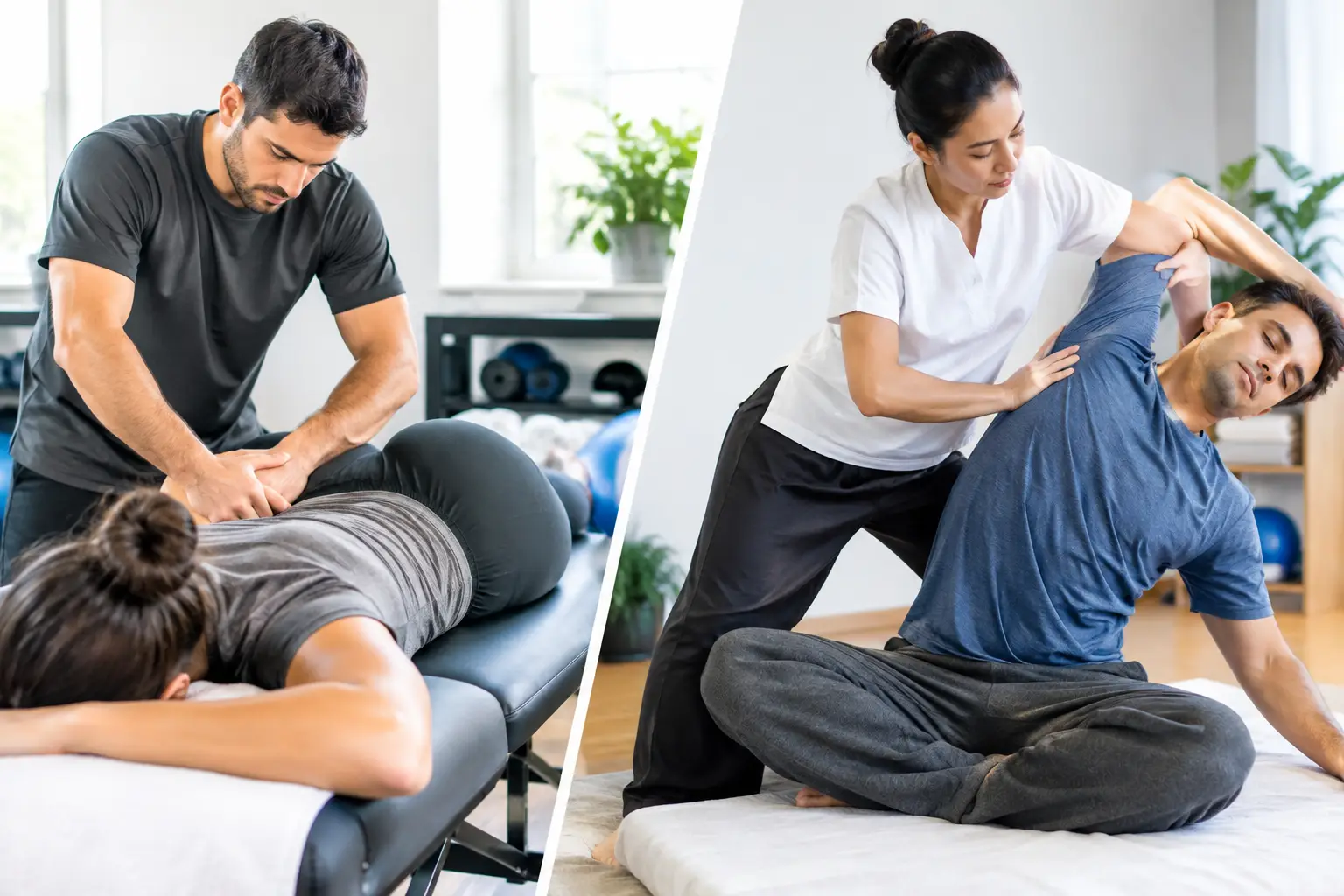
A tight hip after a long run, shoulders that feel locked after desk work, or legs that never quite recover between games can all call for bodywork. When comparing sports massage versus Thai massage, the best choice is not always about how active you are. It comes down to what your body needs most right now: focused work on a specific area, broader movement and flexibility, recovery support, or a calmer reset for overall tension.
Both approaches can be valuable for active people and anyone dealing with everyday muscular discomfort. They simply use different methods and create a different session experience.
What sports massage is designed to do
Sports massage is a targeted style of massage commonly used around training, events, and physically demanding routines. It is often tailored to a particular sport, movement pattern, or area of concern. A soccer player with tight calves, a runner managing heavy-feeling quads, or a warehouse worker with sore forearms may seek sports massage because the work can stay closely focused on the muscles being used most.
The pressure may range from moderate to firm depending on your comfort, goals, and the timing of your activity. A session before an event is usually lighter and more stimulating. After hard exercise, the focus may shift toward easing muscular tightness and helping the body settle. Between training sessions, a therapist may spend more time on areas that repeatedly feel restricted.
Sports massage often includes hands-on kneading, friction, compression, and stretching. The treatment is usually performed with oil or lotion on a massage table, so the therapist can work directly on the skin and muscles.
For many clients, its biggest advantage is precision. If one area is consistently interfering with training or daily movement, sports massage can give that area sustained attention. The trade-off is that a highly focused session may not offer the same full-body stretching experience as Thai massage.
What makes Thai massage different
Traditional Thai massage combines rhythmic pressure, assisted stretching, and body positioning to help release tension and improve mobility. At Warin Thai Massage, traditional Thai massage is performed fully clothed on a raised table, allowing you to stay comfortable while receiving purposeful, hands-on work.
Rather than relying mainly on oil and long gliding strokes, Thai massage uses palms, thumbs, forearms, and carefully guided stretches. The therapist may move your legs, arms, hips, or shoulders through comfortable ranges of motion while applying pressure to tense areas. It can feel active, but it should never feel forced.
This approach is especially useful when tightness is not isolated to one spot. For example, a client may come in for lower-back discomfort but also notice stiff hips, shortened hamstrings, and limited rotation through the upper back. Thai massage looks at how those areas work together. By combining pressure with assisted movement, it can help the body feel more open, balanced, and easier to move.
Thai massage is not only for people who are naturally flexible. In fact, many clients choose it because they feel stiff. The stretches are adapted to your mobility, comfort level, and goals. A skilled therapist does not push you into positions your body is not ready for.
Sports massage versus Thai massage: the key differences
The simplest difference is focus. Sports massage tends to concentrate on soft-tissue recovery and specific areas affected by activity. Thai massage takes a broader movement-based approach, combining muscle pressure with assisted stretching for a full-body effect.
There is also a clear difference in how each session feels. Sports massage generally involves oil or lotion and direct work on the skin. Thai massage is typically done fully clothed, with more repositioning and guided movement. If you prefer a treatment where you can remain dressed and feel your hips, legs, shoulders, and spine move through gentle stretches, Thai massage may be a strong fit.
Neither treatment needs to be intensely painful to be effective. Firm pressure can be helpful for some people, but more pressure is not automatically better. If you leave feeling overly sore or guarded, your session may have gone beyond what your body could comfortably process that day. Good massage therapy is responsive, not a test of endurance.
When sports massage may be the better choice
Sports massage may suit you well if you have a clear, activity-related concern and want focused attention around it. This can include muscles that feel overworked after training, repetitive tension from a physical job, or a specific region that needs recovery support before returning to your normal routine.
It can also be a practical choice when your main priority is performance preparation or recovery timing. Someone training for a race may want a session that considers their event schedule. A person who lifts weights regularly may want focused work on the back, shoulders, glutes, or legs without a longer full-body stretching sequence.
That said, active people do not need to choose sports massage automatically. If your movement feels limited in several areas at once, Thai massage may address the larger pattern more effectively.
When Thai massage may be the better choice
Thai massage is often a helpful match for people who describe themselves as tight everywhere. Desk workers who sit for long periods, athletes with stiff hips and hamstrings, and people whose neck and shoulders feel tense by the end of the week often appreciate its combination of pressure and stretching.
It can be particularly beneficial when your goal is to improve how you move, not just how one muscle feels. Assisted stretching can support comfortable range of motion through the hips, shoulders, legs, and upper body. The slower, intentional pace can also help you relax while receiving therapeutic work.
For clients in St. Catharines and across Niagara who want both tension relief and mobility support, traditional Thai massage offers a practical middle ground. You receive focused attention for sore areas, but the session can also address the connected muscles that affect posture, walking, lifting, training, and everyday comfort.
A combination approach can be the most useful option
You do not always need to choose one style exclusively. A Thai combination Swedish massage can blend the assisted stretching and acupressure-inspired pressure of Thai bodywork with the flowing relaxation of Swedish oil massage. This can be a good option if you want deeper attention for tight muscles but also enjoy the soothing feel of an oil-based treatment.
For stubborn areas of tension, some clients also choose options such as hot stone massage or Thai combination oil massage with cupping. These are not shortcuts or one-size-fits-all solutions. They are tools that may be added when they match your comfort level and the goals of your session.
The most helpful treatment plan begins with a conversation. Let your therapist know what activities you do, where you feel restricted, what movements bother you, and how you want to feel afterward. If you are preparing for an event, mention the date. If you are recovering from an unusually demanding week, say that too. Small details help shape a session that fits your body rather than a generic routine.
What to expect from your first Thai massage
If you have never had Thai massage, wear comfortable clothing that allows you to bend and move easily. You do not need to stretch beforehand or arrive already flexible. Your therapist will check in about pressure and comfort throughout the session and can adjust the stretches to suit you.
You may notice areas of tightness you had not connected before, such as hips affecting lower-back comfort or upper-back tension contributing to a stiff neck. That awareness can be useful. It gives you a clearer picture of where your body may need more regular care, movement breaks, or recovery time.
Afterward, give yourself some space to notice how you feel. Many people feel lighter, calmer, and more mobile. Gentle movement and normal hydration can be a comfortable way to transition back into your day. If anything feels too intense during your appointment, speak up right away so the treatment can be adjusted.
Choose the massage that supports your real goal
The question is less about whether sports massage or Thai massage is better and more about what will serve you best today. Choose focused sports-style work when one overworked area needs specific recovery support. Choose Thai massage when you want tension relief paired with stretching, mobility, and a whole-body sense of reset.
At Warin Thai Massage, Joy takes time to understand your areas of concern and adapt each session to your comfort and goals. Book your session online and give your body dedicated time to feel better, move better, and return to the activities that matter to you.
Leave a Reply