 Skip to content
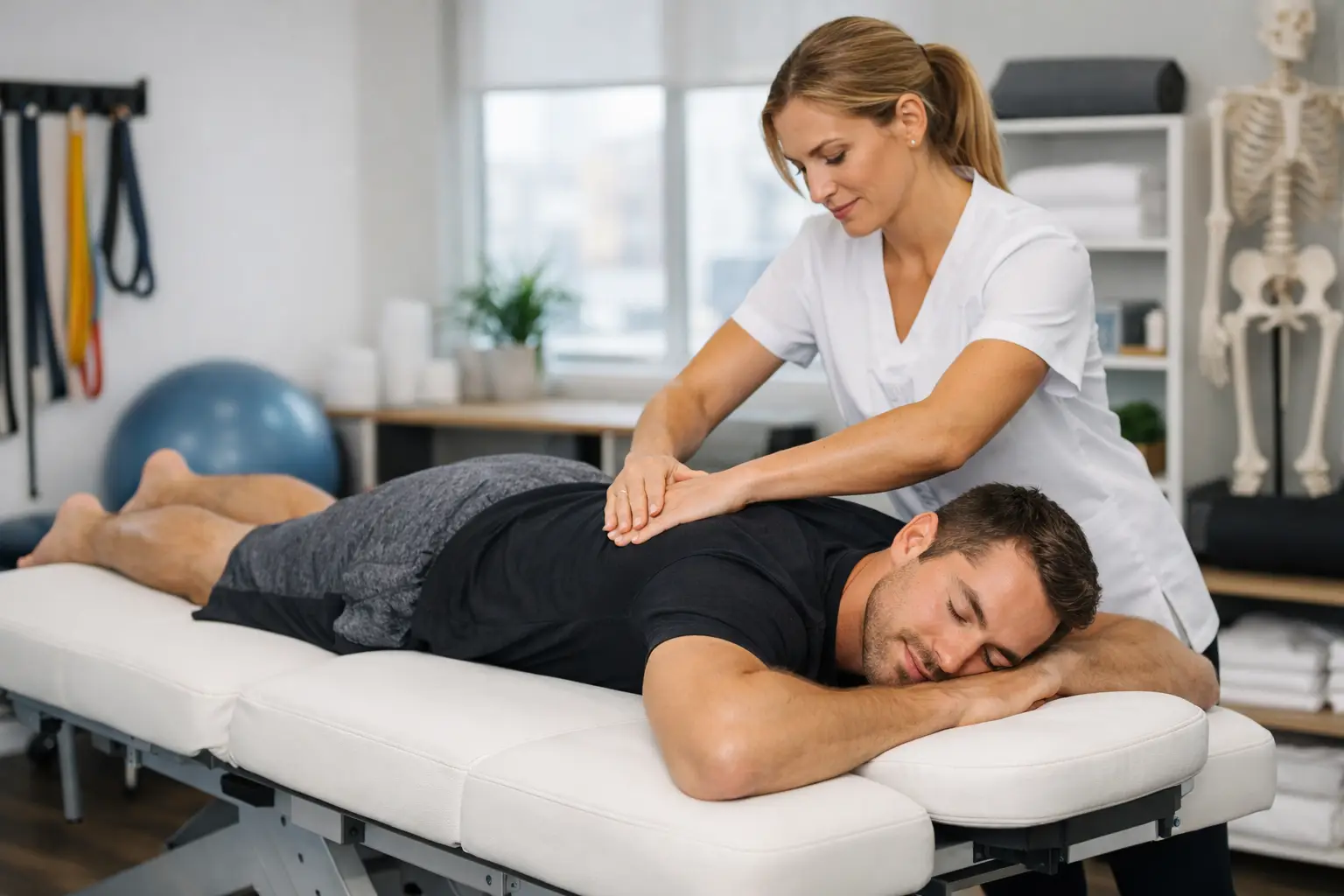
A hard leg day can leave the stairs feeling surprisingly personal. A long run, a demanding shift, a soccer match, or an intense strength session can all create the same question: will massage after workout recovery actually help, or should you simply rest?
The answer depends on how your body feels, what your next training session looks like, and the type of massage you choose. A well-timed, personalized session can help reduce the feeling of tightness, encourage circulation, and restore more comfortable movement. It should not feel like another workout your body has to recover from.
What Massage After Workout Recovery Can Do
Exercise challenges muscle tissue and often leaves temporary soreness, stiffness, and fatigue behind. Massage supports the recovery process by helping tense areas relax and by encouraging blood flow to worked muscles. Many people notice they move more freely afterward, particularly through the hips, hamstrings, calves, shoulders, and upper back.
That matters beyond comfort. When your body feels less restricted, it can be easier to return to daily movement with better form and less compensation. For active people, this may mean a smoother warm-up at the next workout. For people with physical jobs, it may mean getting through a shift with less pulling and heaviness in the legs or back.
Massage can also give your nervous system a chance to downshift. Training is productive stress, but stress still adds up. A calming session can help you transition out of the tense, switched-on state that often follows a demanding workout or busy day.
The benefit is not about forcing soreness away overnight or pushing through pain. It is about helping your body feel supported as it recovers.
Timing Matters More Than Most People Think
There is no single perfect schedule for every workout. Some clients enjoy a lighter massage within a few hours of training because it helps them relax and feel less stiff. Others prefer to wait until the next day, especially after a high-intensity workout, a race, or a session that left the muscles very tender.
If you are feeling generally tight and fatigued, a gentle to moderate treatment can be a comfortable choice soon after activity. If you feel especially sore, bruised, swollen, or sharply painful in one area, more pressure is not the answer. Give the area time, and avoid booking bodywork that could make it feel more irritated.
Your training calendar matters, too. A deeper session can be useful when you have recovery time afterward. It may not be the best fit the evening before an important game, race, or heavy lifting day. Before a performance day, many people respond better to a shorter, lighter treatment focused on mobility and relaxed movement.
After Strength Training
Strength training commonly leaves the chest, shoulders, glutes, quads, hamstrings, and calves feeling dense or restricted. Massage can be particularly helpful when tightness starts to affect your range of motion, such as difficulty reaching overhead or squatting comfortably.
Thai-assisted stretching can be a good option for people who want help opening the hips, lengthening the legs, and improving overall mobility without having to force a stretch on their own. The pressure and stretch should always be adjusted to your comfort level.
After Running, Soccer, or High-Impact Exercise
Runners and soccer players often feel workout fatigue through the calves, feet, quads, hip flexors, and glutes. Repetitive impact can also leave the lower back and hips working harder than expected.
A recovery-focused massage can concentrate on these high-use areas while avoiding overly aggressive pressure on already sensitive muscles. The goal is to help the legs feel lighter and movement feel easier, not to leave you wincing on the table.
After Desk Work and a Workout
Many people in St. Catharines and across Niagara balance training with long hours at a desk. That combination can create a familiar pattern: tight hips and legs from exercise, plus a forward head posture and tense shoulders from sitting.
In these cases, recovery work is often most useful when it addresses the whole pattern. Releasing the upper back and shoulders while improving hip and leg mobility can make both exercise and everyday posture feel more comfortable.
Choosing the Right Massage Style for Recovery
The best treatment is not necessarily the deepest one. Your therapist should consider what you did, where you feel tight, your pressure preference, and what you need to do after the appointment.
Traditional Thai massage is performed fully clothed and combines rhythmic pressure with assisted stretching. It can be especially helpful for active clients who feel stiff through the hips, legs, back, or shoulders and want to improve mobility. It is also a strong choice when you prefer not to use oil.
Thai combination Swedish massage blends Thai-inspired stretching and acupressure with relaxing Swedish techniques. This is often a balanced option after workouts because it can address specific areas of tension while still allowing the body to settle and rest.
Swedish oil massage may be a comfortable fit when your muscles feel tired and you want flowing, restorative work. Hot stone massage can add soothing warmth for clients who hold tension in the back, shoulders, or legs, though it may not be the preferred choice immediately after an extremely intense session if your body feels overheated or very sensitive.
Cupping may be included as part of a personalized Thai combination oil massage for clients who enjoy that modality and want focused work in areas of persistent tightness. It can leave temporary circular marks, so it is worth planning around visible skin exposure or events.
How to Get More From Your Session
A recovery massage works best when your therapist has a clear picture of what your body has been doing. Before the session, mention the workout you completed, your upcoming activity, and any areas that feel unusually sensitive. Be specific. “My calves are tight after hill repeats” is more useful than simply saying, “My legs hurt.”
During the massage, communicate about pressure. Productive pressure can feel strong, but it should not make you brace your body, hold your breath, or feel sharp pain. Relaxed muscles generally respond better than guarded ones.
Afterward, keep the rest of your day simple when possible. Gentle walking, regular hydration, nourishing food, and a good night of sleep all support recovery. You do not need to treat the appointment as a reason to stop moving completely, but it can be wise to avoid jumping directly into another maximum-effort workout if your body feels deeply worked.
When to Wait Before Booking
Massage is not the right next step for every post-workout symptom. If you have significant swelling, a fresh injury, sharp or worsening pain, dizziness, fever, or feel unwell, postpone your session and seek appropriate guidance. A qualified massage therapist can work with normal muscle fatigue and tension, but massage should never be used to ignore warning signs from your body.
It is also reasonable to wait if you know you prefer deeper pressure but have an important athletic event the next day. Recovery should support your plan, not interfere with it. Tell your therapist your timeline so the session can match it.
Make Recovery Part of Your Training Routine
The most helpful approach is usually consistency rather than waiting until tightness becomes overwhelming. Regular bodywork can help you notice patterns in how your hips, shoulders, back, and legs respond to work and exercise. That awareness makes it easier to adjust your training, stretching, and recovery habits before discomfort starts limiting your movement.
At Warin Thai Massage, each session is tailored to how you feel that day, whether you need assisted stretching after training, calming Swedish massage for tired muscles, or focused work for a specific area of tension. Book your session online and give your body dedicated time to feel better, move better, and return to the activities you enjoy with greater comfort.
Leave a Reply