 Skip to content
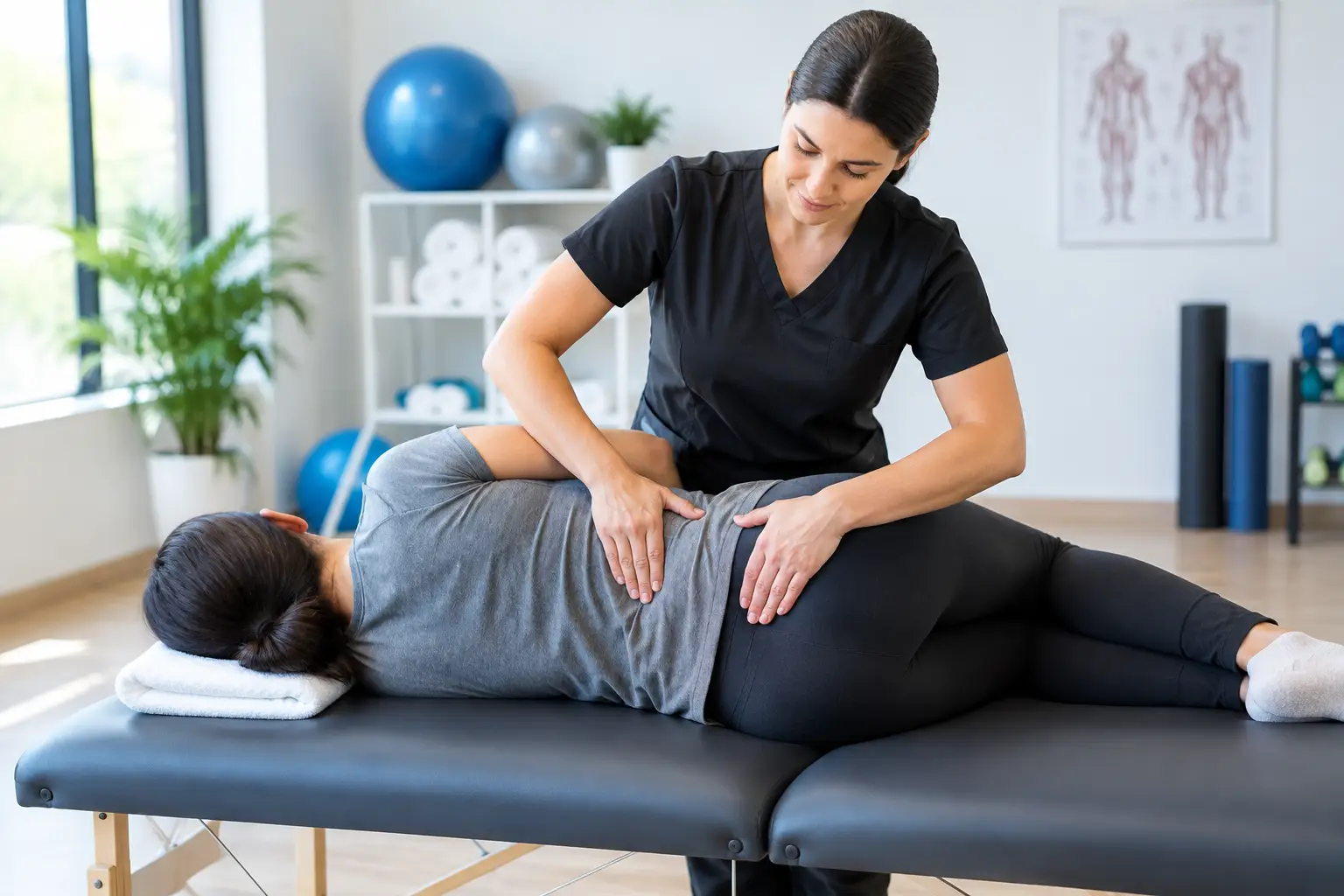
A stiff neck after long desk days, sore hips after a workout, or shoulders that never seem to relax can gradually affect how you move through the day. Massage therapy gives those areas focused attention, helping reduce muscle tension while supporting easier movement, better circulation, and a calmer body.
The best session is not simply about applying pressure everywhere. It starts with listening to what feels restricted, achy, or overworked, then choosing techniques that fit your comfort level and goals. Whether you want deep relaxation, support for mobility, or targeted work for recurring tightness, personalized bodywork can make a meaningful difference in how your body feels.
What Massage Therapy Can Support
Muscles can become tight for many reasons. Sitting for hours, repetitive work, demanding training, stress, limited movement, and poor recovery habits can all contribute to discomfort. Often, the issue is not one isolated spot. Tight shoulders may be connected to how you sit at your desk, while sore legs and hips may affect the way you walk, squat, or climb stairs.
Massage therapy works with the soft tissues of the body to encourage relaxation and release built-up tension. Many clients notice that they can move more freely after a session, especially through the neck, shoulders, back, hips, and legs. Regular sessions may also help people stay more aware of tension before it becomes the normal way their body feels.
Results depend on the person, the source of the tension, and the approach used. A single appointment can be deeply refreshing, but ongoing tightness from work, training, or daily habits may benefit from consistent care. Your therapist can help you decide what pace makes sense for your needs.
Why a Personalized Session Matters
No two bodies carry tension in exactly the same way. One person may need focused work around the upper back and shoulder blades after computer work. Another may feel restricted through the hamstrings, calves, and hips after soccer, running, or a physically demanding job.
A personalized session creates room to address the areas that matter most to you. Before treatment begins, it helps to share where you feel discomfort, what movements feel limited, how much pressure you prefer, and what you hope to get from the appointment. Clear communication helps the therapist adapt the treatment instead of following a one-size-fits-all routine.
Pressure is only one part of an effective massage. More pressure is not always better. When muscles are highly guarded, a slower approach may allow the body to relax more comfortably. At other times, firmer work may be appropriate for dense, overworked areas. The goal is productive, comfortable bodywork that leaves you feeling cared for rather than overwhelmed.
For desk-related neck and shoulder tension
People who work at computers often carry tension through the neck, upper back, chest, forearms, and shoulders. This can make it harder to sit comfortably, turn the head freely, or take a full, relaxed breath.
Massage may help soften those overworked areas and encourage a more open, relaxed feeling through the upper body. Combining targeted massage with gentle stretching can be especially useful when stiffness has built up over weeks or months.
For active recovery and lower-body tightness
Training, sports, and physical work can leave the legs feeling heavy and the hips feeling restricted. Calves, quads, hamstrings, glutes, and the muscles around the knees may all need attention, particularly after repeated movement patterns.
A focused session can support recovery by encouraging circulation and easing post-activity muscle tension. For active clients, the right treatment is often a balance: enough focused work to address tight areas, with a calming pace that helps the whole body settle.
Choosing the Right Type of Massage Therapy
Different massage styles offer different benefits. The right choice depends on your comfort, the areas you want to address, and whether you prefer to remain clothed or receive oil-based massage on the skin.
Traditional Thai massage is performed fully clothed on a raised table. It combines rhythmic pressure, assisted stretching, and acupressure-inspired techniques to help improve flexibility and mobility. This style can be an excellent choice if your body feels stiff, compressed, or limited by tight hips, legs, shoulders, or back muscles.
Thai combination Swedish massage blends the stretching and pressure of Thai techniques with the flowing relaxation of Swedish massage. It is a practical option for clients who want both mobility support and a calmer, more restorative experience.
Swedish oil massage is often chosen for relaxation, general muscle tension, and circulation support. The strokes are typically smooth and adaptable, allowing the therapist to spend extra time where your body needs it most.
Hot stone massage adds warmed stones to the treatment. The heat can help tight muscles feel more receptive to massage, making it particularly comforting for people who feel tense, cold, or generally fatigued. It is usually a gentler, deeply relaxing choice, though the treatment can still be customized around specific areas of concern.
Cupping may be included in a Thai combination oil massage for clients who want another way to address areas of dense muscle tension. The approach should always be tailored to your comfort and discussed before treatment begins.
What to Expect at Your Appointment
A professional massage appointment should feel calm, respectful, and straightforward from the beginning. You will have the opportunity to describe your goals and mention the areas that need extra attention. If you are new to massage, you can also ask what the treatment will feel like and what clothing is appropriate.
For traditional Thai massage, comfortable clothing that allows movement is ideal. For oil-based treatments, you will be professionally draped throughout the session, with only the area being worked on uncovered.
During the treatment, speak up if the pressure feels too light, too intense, or uncomfortable. Feedback is useful. A skilled therapist can adjust technique, pacing, and pressure so the session better matches your body that day.
Afterward, many people feel relaxed, lighter, and more mobile. Some focused areas may feel tender, especially if they were very tight before the appointment. Giving yourself time to rest, hydrate, and notice how your body responds can help you get the most from the session.
Making Massage Part of Your Routine
Massage does not need to be saved only for the point when discomfort becomes hard to ignore. Some clients book when their shoulders start tightening again, before a demanding athletic event, or after a stretch of physically demanding work. Others choose a regular appointment as part of their broader wellness routine.
The right frequency varies. A client working through recurring tightness may initially benefit from appointments closer together, while someone focused on maintenance may prefer a more occasional schedule. Your needs, activity level, and response to treatment should guide the plan.
For clients in St. Catharines and across the Niagara region, Warin Thai Massage offers personalized treatments designed around real concerns: tight backs, sore shoulders, restricted hips, tired legs, and the need to feel more at ease in your body.
When tension is making daily movement harder than it should be, give your body focused care. Book Your Session online and take a practical step toward feeling better, moving better, and living better.
Leave a Reply