 Skip to content
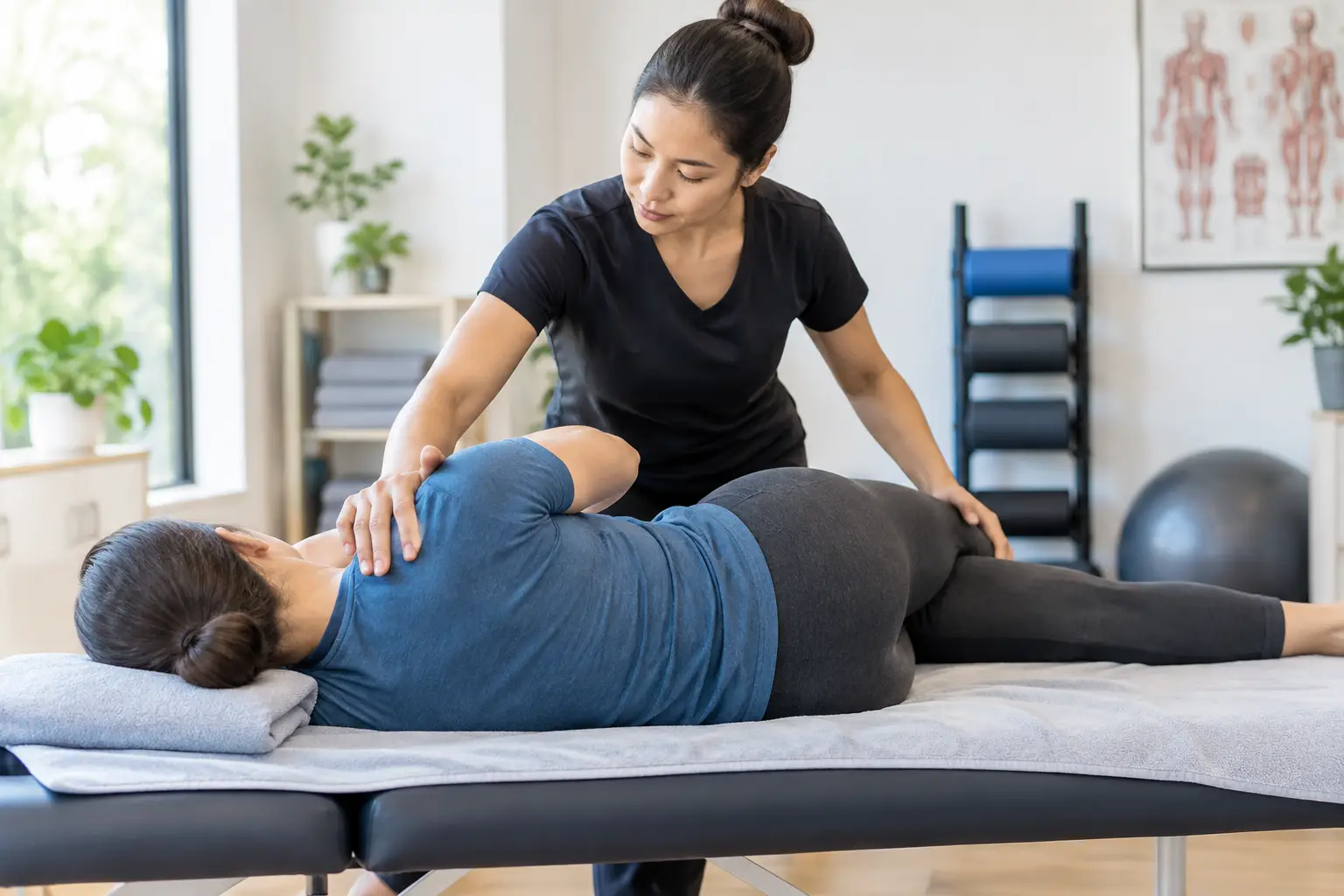
A stiff neck after long computer hours, hips that resist every step, or legs that stay heavy after training can make ordinary routines feel harder than they should. Thai bodywork offers a practical, hands-on approach to these patterns by combining targeted pressure with guided movement. Rather than asking your body to relax on its own, the therapist helps create the space for muscles to soften and joints to move more freely.
Traditional Thai techniques are especially helpful for people who feel tight in more than one area at a time. Shoulder tension can affect posture and breathing. Hip stiffness can change how the knees and lower back feel. A personalized session addresses those connections while keeping your comfort, goals, and current mobility in view.
What Is Thai Bodywork?
Thai bodywork is a traditional form of therapeutic massage that uses rhythmic acupressure, assisted stretching, gentle compression, and purposeful movement. The client is typically fully clothed in comfortable, flexible clothing, and the work is often performed on a raised massage table.
Instead of focusing only on one tight muscle, the therapist works with movement patterns throughout the body. Pressure may be applied with hands, thumbs, forearms, or elbows, then followed by stretches that help lengthen and mobilize the surrounding tissues. The pace can be calm and grounding, but the work is also active in a useful way. You may be guided to bend a knee, relax an arm, or allow the therapist to support a stretch through the hips, back, or shoulders.
At Warin Thai Massage, each session is adjusted to the individual. Some clients need focused work around the neck and upper back after desk work. Others want support for tight hamstrings, hips, calves, or legs after sports and physically demanding work. The technique is authentic, but the session should never feel like a one-size-fits-all routine.
How Thai Bodywork Helps Tight, Overworked Muscles
Muscles often become tight because they are doing too much of the same job. Sitting can leave the chest, hip flexors, and upper back feeling restricted. Repetitive lifting or standing can create fatigue through the lower body. Training can leave certain areas sore while others compensate.
Thai bodywork addresses this with a combination of pressure and movement. Acupressure can help ease the feeling of dense, guarded muscle tissue, while assisted stretching encourages a wider and more comfortable range of motion. Compression techniques may also support circulation and leave the body feeling less heavy or congested.
The benefit is not simply relaxation, although many clients do feel deeply relaxed afterward. A well-paced Thai massage session can help you notice where your body has been bracing and give you a better sense of how to move without forcing it. For someone whose shoulders sit high all day, that can mean easier turning of the head and less strain through the upper back. For an active client with tight hips and legs, it may mean movement feels smoother during walking, training, or recovery days.
Results vary based on activity level, stress, sleep, existing tension patterns, and how long discomfort has been present. One session can provide a meaningful reset, while recurring tightness often responds best to regular care and small changes in daily movement habits.
Thai Bodywork vs. Swedish Massage
Both Thai and Swedish massage can reduce muscle tension and promote relaxation, but they feel different in practice. Choosing between them depends on what your body needs that day.
Traditional Thai massage is performed without oil while you remain clothed. It is a strong choice when you want assisted stretching, mobility-focused work, and pressure that reaches specific tight areas. Clients who feel stiff through the hips, back, shoulders, or legs often appreciate the active nature of the session.
Swedish oil massage generally uses long, flowing strokes over the skin to calm the nervous system and relax sore muscles. It can be an excellent option when you want a quieter, more fluid experience or when your body feels generally fatigued rather than restricted in a particular movement pattern.
A Thai-Swedish combination can offer the best of both approaches. Your session may begin with Thai pressure and assisted stretches, then transition into Swedish techniques for deeper relaxation. This option works well for clients who want targeted attention for tight areas without giving up the soothing feel of oil massage.
What to Expect During Your First Session
A good bodywork session begins with listening. Before treatment starts, your therapist should ask what feels tight, what movements are bothering you, and what you hope to get from the appointment. Be specific. Mention whether your main concern is a stiff neck, aching shoulders, restricted hips, tired legs, recurring back tension, or recovery after activity.
During traditional Thai bodywork, wear loose clothing that allows you to bend and stretch comfortably. You will be positioned on the table in ways that let the therapist work through the back, sides, legs, arms, and shoulders. Some stretches are passive, meaning the therapist supports the movement while you focus on relaxing. Others may involve simple guidance, such as bending a knee or letting an arm rest in a new position.
Communication matters throughout the session. Productive pressure can feel intense in a tight area, but it should not feel sharp, alarming, or beyond your tolerance. Let your therapist know if you need less pressure, more support, a different position, or extra attention in one area. Personalized care is not an extra feature. It is what makes bodywork more comfortable and more useful.
Afterward, many people feel lighter, warmer, and more open through areas that had felt restricted. Some also notice a quiet, settled feeling that makes it easier to rest. Drinking water, taking a gentle walk, and avoiding an unusually demanding workout immediately afterward can help you pay attention to how your body responds.
When Thai Bodywork Is a Good Fit
Thai bodywork can be a valuable choice if you spend long periods at a desk, work on your feet, lift regularly, train for sport, or feel generally limited by tightness. It is particularly well suited to people who want massage to include movement rather than only passive relaxation.
For athletes and active adults in St. Catharines and across Niagara, assisted stretching can be a helpful part of a recovery routine. Soccer players, runners, gym-goers, and physically active workers often carry tension through the calves, quads, hamstrings, hip flexors, and glutes. Addressing those areas alongside the lower back and upper body can support more balanced movement.
It also fits people who are new to massage but want a clear, practical experience. There is no need to be exceptionally flexible. The therapist works within your current comfort and mobility, not an idealized version of what your body should do.
Make the Session Fit Your Needs
The most effective massage is not always the deepest massage. If you are carrying a lot of stress, a gentler pace with focused stretching may be more beneficial than heavy pressure. If you have a stubborn spot between the shoulder blades or persistent tightness around the hips, more targeted work may make sense.
Complementary options can also shape the experience. Hot stone massage can bring soothing warmth to tense muscles. Swedish oil massage may be preferable when relaxation is the main priority. Cupping can be added to an oil massage session for clients who enjoy a different form of decompressive soft-tissue work. The right choice depends on your goals, your sensitivity to pressure, and how your body feels that day.
Share relevant comfort concerns before your session so the treatment can be adapted thoughtfully. A skilled therapist does not push through your feedback. They use it to make the work more precise.
Book Your Session
If tight muscles, limited movement, or daily stress are getting in the way, Thai bodywork can offer a supportive place to start. Book your session online with Warin Thai Massage and choose a treatment that matches how you want to feel: more comfortable, more mobile, and more at ease in your body. Small, consistent care can help you feel better, move better, and live better.
Leave a Reply