 Skip to content

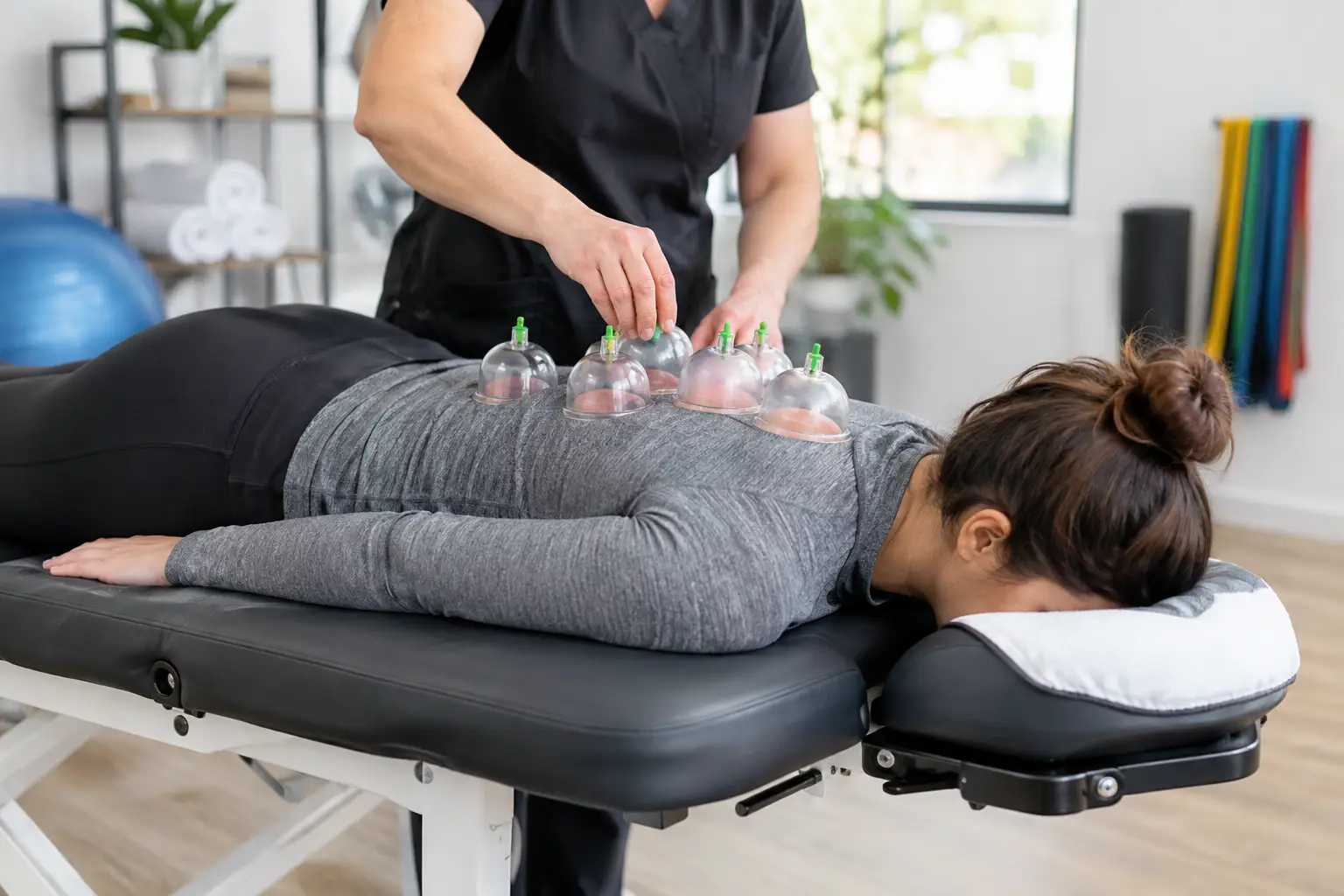
A tight upper back after long desk hours, heavy legs after training, or hips that never seem to loosen can make a standard massage feel like only part of the answer. Massage cupping recovery is the period after a cupping-enhanced session, when your body settles, your muscles adjust, and you give the work time to support easier movement.
Cupping can be a useful addition to Thai combination oil massage for people who carry persistent tension through the shoulders, back, hips, glutes, or legs. It is not meant to be a test of pain tolerance. At Warin Thai Massage, the pressure, placement, and overall pace can be adapted to your comfort level and the areas that need focused attention.
What Happens During Massage Cupping?
Massage cupping uses cups to create gentle suction on the skin and underlying soft tissue. Depending on the goal of the session, cups may stay in one place briefly or be moved slowly with massage oil. The sensation is different from the downward pressure of hands, elbows, or forearms. Many clients describe it as a lifting or pulling feeling followed by a sense of release.
In a personalized session, cupping is one tool among several. Your therapist may combine it with Swedish massage techniques, targeted oil work, and Thai-inspired stretching where appropriate. That combination matters because tightness rarely exists in isolation. A shoulder may be working harder because of posture, a low back may feel strained when hips are restricted, and tired legs may benefit from attention above and below the sore spot.
The right approach depends on your history, how sensitive the area feels that day, your activity level, and what you want from the appointment. A competitive athlete recovering from training may need a different pace than someone whose neck and shoulders are tense from computer work.
What Massage Cupping Recovery Can Feel Like
It is common to feel deeply relaxed immediately after a cupping massage. Some people also notice tenderness in the treated muscles, similar to the feeling after a productive workout or focused bodywork. This usually feels manageable and tends to ease as the body recovers.
You may also see circular red, purple, or darker marks where stationary cups were placed. Their appearance varies widely based on skin tone, the area treated, the amount of suction used, and how much tension was present. These temporary marks are a normal possibility with cupping, but they are not a measure of how effective the session was. More visible marks do not mean better results.
For some clients, the main change is less obvious but still welcome: turning the head feels easier, the upper back feels less guarded, or walking after a long shift feels more comfortable. Others need a day or two before they notice the full benefit. Bodywork is personal, and a thoughtful recovery period helps you pay attention to what your body is telling you.
How Long Do Cupping Marks Last?
Cupping marks often fade over several days, though they can last longer for some people. If you have an event, photos, swimming plans, or clothing that leaves the area exposed, mention it before your session. Your therapist can discuss options, such as using lighter suction, focusing on less visible areas, or choosing another technique.
Avoid scheduling a first cupping session immediately before an important event when you do not yet know how your skin responds. This is a simple planning step that can make the experience more comfortable and predictable.
Simple Aftercare for Cupping Massage
The best aftercare is usually uncomplicated. Give your body a little room to recover rather than rushing straight into another intense demand. Drink water as you normally would, eat a nourishing meal if you are hungry, and choose calm movement over staying rigid in one position for hours.
A gentle walk can feel especially good after work on the hips, legs, or low back. Light mobility work may also be comfortable, but there is no need to force a deep stretch because you had a massage. The goal is to maintain the easier movement you notice, not to push your range of motion to its limit.
For the rest of the day, many people prefer to skip a demanding workout, very hot bath, sauna, or heavy alcohol use. These choices are not permanent rules. They simply give you a quieter window to see how your body responds, particularly after your first cupping appointment or a more focused session.
Wear soft, nonrestrictive clothing if the treated area feels tender. Try not to rub, scrape, or apply strong products to cup marks. Let the skin settle naturally. If you are heading back to a physically demanding job, build in small posture breaks and avoid turning a freshly relaxed area into an overworked one before the day is finished.
When to Plan Your Next Workout or Massage
If you exercise regularly, timing depends on the intensity of your training and how your body feels after the session. A light walk, easy cycling, or gentle mobility work may be a comfortable choice the same day. For a heavy lift, hard run, competitive game, or demanding practice, waiting until you no longer feel tender is often the more sensible call.
There is no single schedule that works for everyone. Someone preparing for a soccer match may book massage earlier in the week, while a desk worker may prefer an appointment after a demanding workday. Share your routine with your therapist so your session can fit your real life rather than add another item to your recovery checklist.
Regular massage can also be planned around patterns instead of waiting until discomfort becomes overwhelming. If your shoulders tighten at the end of every month or your legs feel heavy after repeated training blocks, consistent care may help you stay more aware of those patterns and respond sooner.
Tell Your Therapist What You Notice
Good massage care starts with honest feedback. Before your appointment, mention any sensitivity, recent strain, skin irritation in the area, or health considerations that may affect whether cupping is a comfortable fit. During the session, speak up if the suction feels too intense. Adjustments can be made, and comfort is part of effective bodywork.
Afterward, notice what changed. Did a hip feel freer? Did a particular area feel tender longer than expected? Did you sleep well, move more easily, or realize that a different approach would suit you better next time? These details help shape a session that is more personal and more useful at your next visit.
For St. Catharines and Niagara Region clients who want focused work for stubborn muscular tension, Thai combination oil massage with cupping offers a calm, adaptable option. It can support a recovery routine without making the experience feel complicated.
Your body does a great deal for you through busy workdays, workouts, long drives, and restless nights. Give it a focused hour to reset, then give that work time to settle. Book Your Session online with Warin Thai Massage and feel better, move better, and live better.
Leave a Reply