 Skip to content
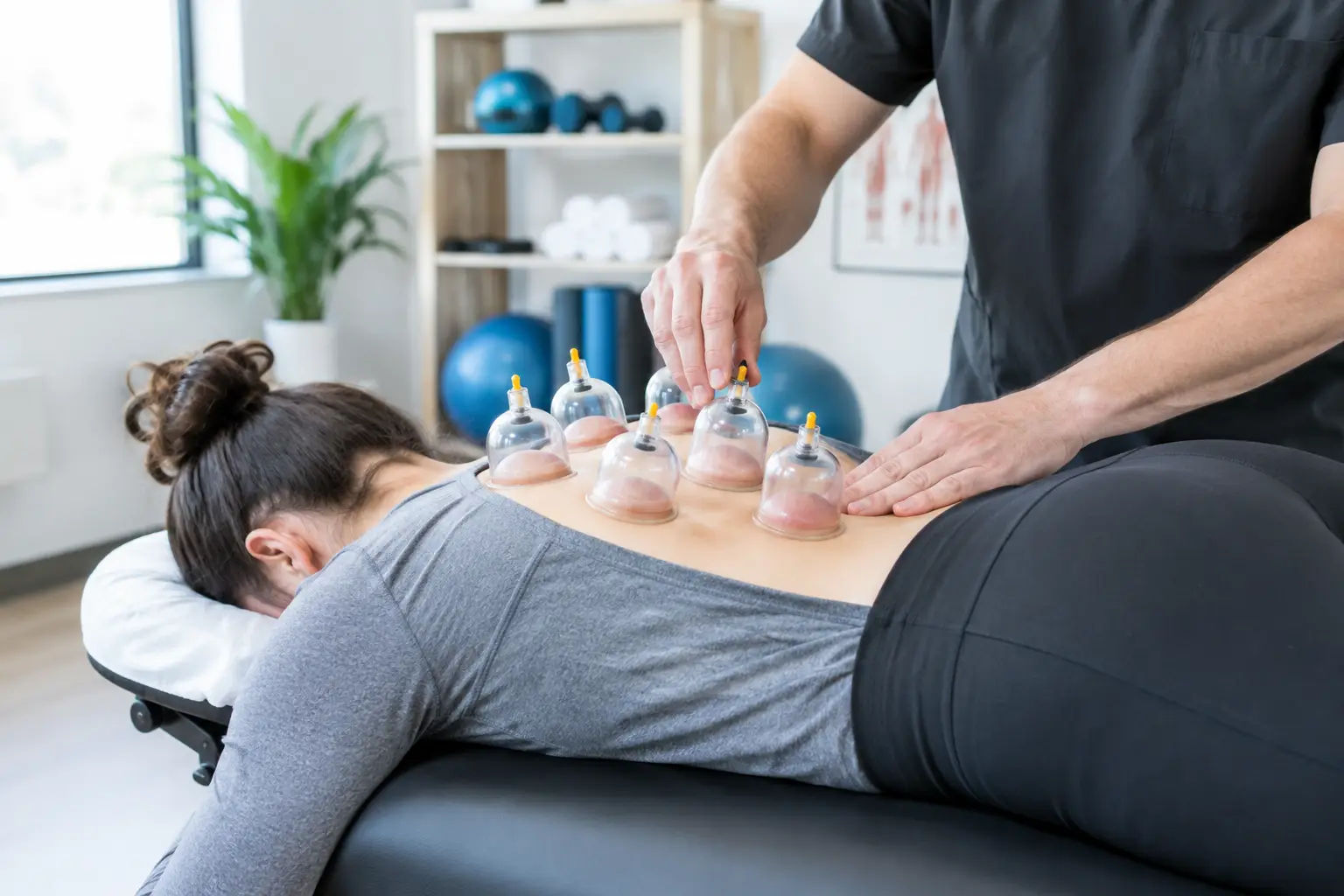
A few circular cupping marks can be surprising the first time you see them. They may look deep red, purple, or pink against the skin, especially across the back, shoulders, or legs. In most cases, cupping marks are a normal, temporary response to the suction used during a cupping massage session.
For people dealing with stubborn shoulder tension, tight hips, sore legs, or a back that never seems to fully relax, cupping can be a useful addition to hands-on massage. Knowing what the marks mean, what affects their appearance, and how long they may stay helps you choose your treatment with confidence.
What Are Cupping Marks?
Cupping uses specialized cups to create gentle suction on the skin. Rather than pressing down into the muscles as a therapist does with their hands, the cup creates a lifting effect on the tissue beneath it. This can encourage blood flow in the area and help release the feeling of tight, restricted muscle tissue.
The circular discoloration left behind is called a cupping mark. It develops because the suction draws blood closer to the surface of the skin. The mark is not a measurement of how successful your treatment was, and darker is not automatically better. It is simply your body’s visible response to the amount of suction used and the condition of the tissue in that area.
Unlike a bruise caused by an impact, a cupping mark is created without a blow to the body. Still, it can look similar to a bruise and may change color as it fades. A skilled therapist adjusts the pressure, placement, and length of time the cups stay on based on your comfort and goals.
Why Do Cupping Marks Vary So Much?
No two people respond to cupping in exactly the same way. One person may leave with light pink circles that fade by the next day, while another may have deeper purple marks that remain visible for several days. Both responses can be normal.
Areas carrying ongoing tension often show more noticeable marks. This is common in the upper back and shoulders for desk workers, through the hips and glutes for people who sit or stand for long shifts, and in the legs for active clients after demanding training. Muscle tightness is only one factor, though. Skin tone, hydration, individual circulation, cup pressure, and how long the cups are applied all affect the final appearance.
Darker Marks Do Not Mean You Need Stronger Cupping
There is a common belief that very dark cupping marks mean more tension has been released. That is not a useful rule to follow. A treatment should feel productive and comfortable, not like a test of how much pressure you can tolerate.
At Warin Thai Massage, cupping can be adapted to your preferences and the areas that need attention. Light to moderate suction may be the right choice for someone new to cupping, someone with sensitive skin, or anyone who prefers minimal visible marking. More focused work may suit a client who is familiar with the technique and wants attention on a particularly tight area. Communication during the session matters more than chasing a certain color.
How Long Do Cupping Marks Last?
Most cupping marks fade within a few days to about two weeks. Lighter marks can disappear in 24 to 72 hours, while darker marks may take longer to fully clear. They often shift from red or purple to softer brown, yellow, or pink tones as the skin returns to its usual color.
Timing depends on the same factors that affect color: suction level, treatment duration, location on the body, and your personal response. If you have an event, photos, a competition, or clothing that leaves your shoulders or back exposed, schedule your session with that visibility in mind. Your therapist can also choose techniques and areas that better fit your plans.
Do Cupping Marks Hurt?
Cupping should create a pulling or stretching sensation, not sharp pain. Some people describe it as unusual at first because the pressure feels different from a traditional massage stroke. Once the body settles into the treatment, many clients find the sensation relaxing, particularly when cups are used alongside oil massage or Thai-Swedish techniques.
The marks themselves are usually not painful after the session. An area may feel mildly tender, much like muscles can feel after focused bodywork, but it should not feel severely sore. Let your therapist know right away if the suction feels pinchy, burning, or too intense. Adjusting the cup placement or pressure can make a meaningful difference.
Caring for Your Skin After Cupping
Cupping marks do not require complicated aftercare. Give your body a little space to settle after your massage, drink water as you normally would, and choose comfortable clothing that will not rub against sensitive areas. Gentle movement, such as an easy walk or relaxed stretching, can feel good if it is comfortable for you.
It is also wise to avoid adding unnecessary irritation to marked skin. Very hot showers, aggressive scrubbing, and intense heat directly over fresh marks may make the area feel more sensitive. If you have any skin concerns, unusual sensitivity, or changes that could affect your session, mention them before treatment so your massage can be planned thoughtfully.
When Cupping May Be a Good Fit
Cupping is often chosen by clients who want focused support for persistent muscle tightness without relying only on deep pressure. It can work especially well as part of a Thai combination oil massage, where flowing massage techniques help warm and relax the muscles before or after the cups are used.
For a desk-based professional, that may mean concentrating on the upper back, neck, and shoulders that feel compressed after long hours at a screen. For someone with a physically demanding job, cupping may be used around tired legs, hips, or the lower back. For active people in the Niagara Region, it can complement recovery work when training has left the muscles feeling heavy or restricted.
The best placement is always personal. A good session is not about putting cups everywhere. It is about listening to what feels limited in your body, assessing the areas that need care, and selecting techniques that support easier movement and deeper relaxation.
Cupping Massage Should Feel Personalized
Visible marks can be part of the experience, but they are not the main goal. The real value of a cupping massage is how your body feels afterward: less guarded through the shoulders, freer through the hips, or more comfortable moving through your day.
If you are considering cupping for the first time, share your concerns before the session begins. You can ask for lighter suction, request that cups be placed only in areas covered by clothing, or combine cupping with Thai, Swedish, or oil massage techniques. Your comfort, privacy, and treatment goals should guide every choice.
When tension has been hanging on longer than it should, personalized bodywork can help you feel better, move better, and live better. Book Your Session online at Warin Thai Massage in St. Catharines and let your treatment be tailored to the way your body feels today.
Leave a Reply