 Skip to content
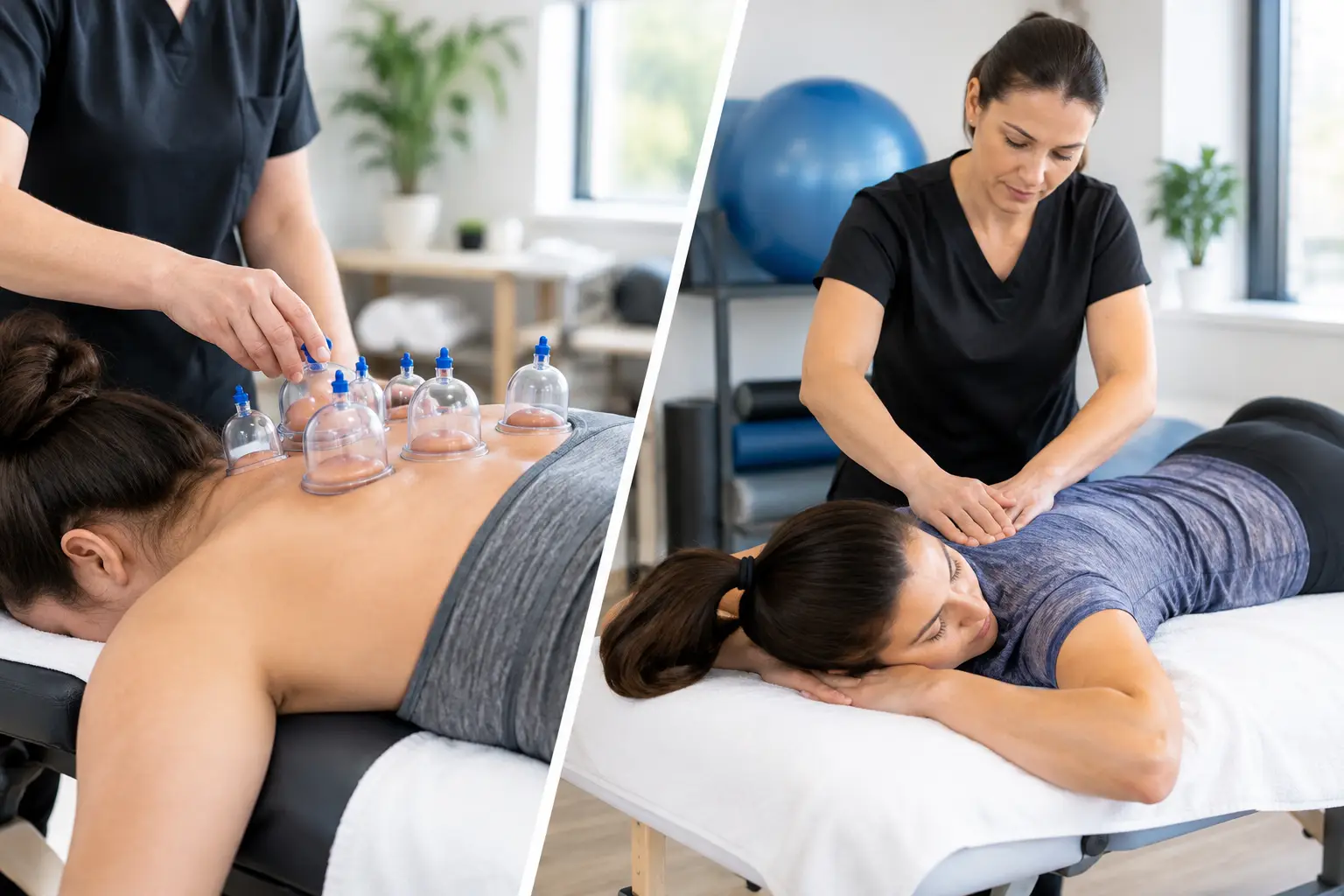
A tight upper back after long desk hours, heavy legs after training, or a stubborn shoulder that never seems to let go can all call for more than a quick stretch. When comparing cupping versus massage therapy, the best choice depends on where you feel tension, how your body responds to pressure, and what you want to improve – relaxation, mobility, recovery, or focused muscle relief.
Both treatments can be valuable tools for feeling better and moving more freely. They simply work in different ways. Massage uses skilled hands-on pressure, movement, and stretching to work through areas of tension. Cupping uses gentle suction to lift and decompress soft tissue. At Warin Thai Massage, these approaches can also be combined when that is the right fit for your goals.
Cupping Versus Massage Therapy: The Main Difference
The most noticeable difference is the direction of pressure. Massage applies pressure into the muscles. Depending on the style, that pressure may be light and calming or more focused on a tight area such as the neck, shoulders, hips, calves, or lower back.
Cupping creates suction at the skin’s surface. Instead of pressing down, the cups gently lift the tissue upward. This can create a distinct pulling sensation that many clients find relieving, especially when an area feels compressed, stiff, or difficult to loosen with pressure alone.
Neither option is automatically better. A person with broad tension from work stress may prefer a full-body Swedish or Thai combination massage. Someone who has a particularly stubborn area around the shoulder blade, glutes, or thighs may benefit from adding cups to a massage session. The goal is not to choose the strongest treatment. It is to choose the treatment that helps your body relax and move more comfortably.
How Massage Therapy Supports Tension and Mobility
Massage therapy is highly adaptable. A therapist can adjust pressure, pace, and technique throughout the appointment based on how your muscles feel that day. This makes it a practical choice for first-time clients as well as people managing regular training, repetitive work, or ongoing postural tension.
Swedish oil massage is often chosen for calming full-body relaxation while easing everyday muscle tightness. It can be especially helpful when stress is showing up as a tense jaw, raised shoulders, shallow breathing, or a restless feeling in the body.
Traditional Thai massage takes a more active approach. Performed fully clothed, it combines acupressure with assisted stretches that can help improve flexibility and range of motion. For clients who feel stiff through the hips, legs, chest, or back, Thai techniques can create a sense of space in areas that have felt restricted.
A Thai combination Swedish massage offers both approaches: targeted hands-on work for muscle tension and stretching to support easier movement. It is often a strong option for people who sit for long periods, work physical jobs, or want recovery support without choosing an overly intense session.
Massage also allows the therapist to spend more or less time where it is needed. If your right shoulder is doing all the work after a week at the computer, or your calves are tight after soccer practice, the session can be shaped around those priorities.
What Cupping Feels Like
Cupping is not meant to feel sharp or painful. Most clients describe the sensation as a steady pull, pressure release, or gentle stretching of the area beneath the cup. Cups may be placed in one position for a short time or moved slowly across the skin with oil, depending on the treatment plan.
Cupping can be useful when muscles feel dense, overworked, or slow to release. It is commonly requested for the upper back, shoulders, lower back, hamstrings, calves, and hips. Active people may appreciate it after demanding workouts, while desk workers often like it for the upper-body tension that builds from sitting and leaning forward.
One practical consideration is that cupping can leave temporary circular marks. These marks vary from light pink to deeper red or purple, depending on your skin and the amount of congestion or tension in the area. They are not usually painful bruises, but they can be visible for several days or longer. If you have an upcoming event, photo session, or beach day, mention it before your appointment so your treatment can be planned accordingly.
When Cupping May Be the Better Fit
Cupping may be worth considering when you want focused attention on a few stubborn areas and you are comfortable with possible temporary marks. It can be a good complement to massage if your upper back feels locked up, your hips and legs feel heavy after activity, or certain muscles seem to tighten again quickly after hands-on pressure.
It can also be appealing to clients who enjoy a different sensation from traditional massage. Some people find that the lifting effect feels especially relieving through the back and shoulders, where direct pressure can sometimes feel too intense.
That said, cupping is not always the best starting point. If you are new to bodywork, feeling generally stressed, or unsure how your body responds to pressure, a massage-first session may feel more familiar and comfortable. Your therapist can always add cupping later if it suits your goals.
When Massage Therapy May Be the Better Fit
Massage is often the better choice when your needs are broad rather than limited to one or two areas. If your entire body feels tired, your mind feels busy, and you want to leave feeling grounded and relaxed, Swedish oil massage or a Thai-Swedish combination can provide a more complete experience.
It may also be the right choice if you want hands-on work paired with assisted stretching. Thai massage can be particularly helpful for people who notice limited movement in the hips, tightness through the legs, or stiffness after long hours sitting, driving, or standing.
Massage is also easier to tailor around sensitivity. Pressure can be softened immediately, techniques can be changed, and areas can be approached gradually. Clear communication matters. A good session should never feel like you have to endure discomfort to get results.
Can You Combine Cupping and Massage?
Yes. For many clients, a combined session offers the most balanced approach. Massage can warm the tissue, reduce general tension, and help the therapist understand where your body is holding stress. Cupping can then be used selectively on areas that need more focused release.
A Thai combination oil massage with cupping may suit someone with tight shoulders, low-back fatigue, active legs, or recurring hip tension. The massage portion supports overall relaxation and circulation, while cupping brings targeted attention to the areas that feel especially restricted.
The benefit of combining modalities is personalization, not intensity. More techniques do not automatically mean a better appointment. Some days your body may need deeper focused work. Other days, lighter pressure and slower relaxation may be far more useful.
Choosing the Right Session for Your Body
Start with the outcome you want. If you want to unwind, ease overall soreness, and feel calmer, massage is often the natural first choice. If you have a particular tight area that feels compressed or difficult to release, cupping may be a helpful addition. If you want both broad relaxation and focused work, a combined treatment may fit best.
Be open about your comfort level, activity routine, and the areas that bother you most. Mention whether you have tried cupping before and whether visible marks would be inconvenient. An attentive therapist will use that information to tailor the session instead of following the same routine for every client.
For clients in St. Catharines and across Niagara looking for hands-on, personalized care, the right treatment begins with being heard. Book your session online and let your appointment be shaped around how you want to feel: less tense, more mobile, and more at ease in your body.
Leave a Reply