 Skip to content
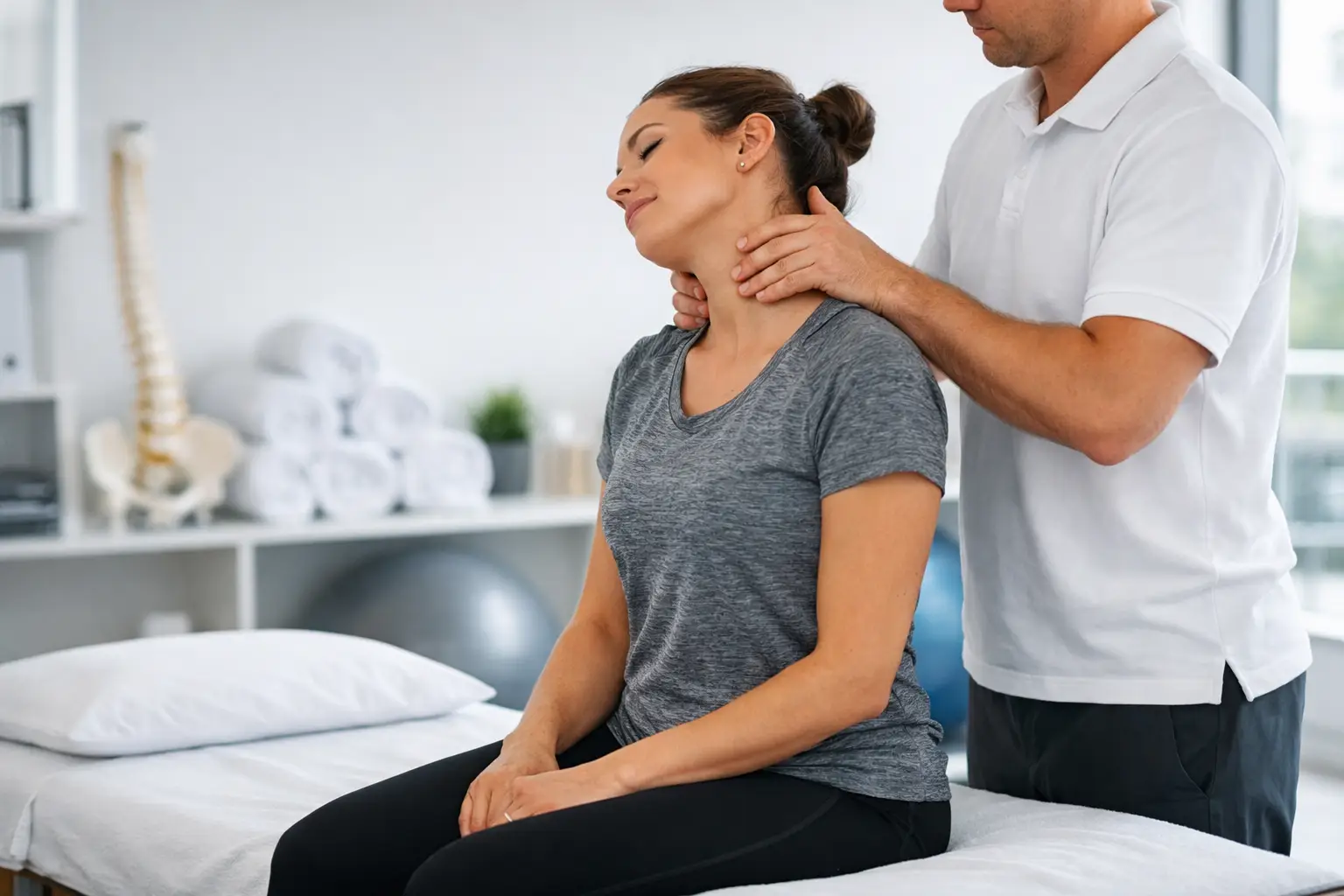
A stiff neck rarely stays just in the neck. It can make checking a blind spot while driving uncomfortable, turn a workday at the computer into a long stretch of shoulder tension, or limit the way you move during training. Massage for neck tension relief is designed to address the muscles around the neck, upper back, shoulders, and chest that often share the workload.
The goal is not to force movement or simply rub the area that hurts. A thoughtful session helps calm overworked muscles, improve comfort, and restore easier range of motion at a pace that feels right for you. For many people, that means feeling lighter through the shoulders, less restricted when turning the head, and more settled after a demanding week.
Why Neck Tension Builds Up
Neck tension often develops gradually. Hours spent looking down at a phone, working at a laptop, driving, carrying a bag on one shoulder, or holding the body still during stressful periods can leave the muscles working harder than they should.
The neck also responds to what happens around it. Tight chest muscles may pull the shoulders forward. Tension between the shoulder blades can make the upper back feel heavy. When the shoulders stay elevated, the muscles along the sides and back of the neck may remain active even when you think you are resting.
Active people can experience a different version of the same problem. Soccer players, gym-goers, runners, and people in physical jobs may feel neck and shoulder tightness after repetitive effort, lifting, impact, or compensation from a tired back and hips. The source is not always one movement, which is why a personalized approach matters.
What Massage for Neck Tension Relief Can Address
A professional massage session can focus on more than the neck itself. Gentle, targeted work through the upper back, shoulders, chest, and arms may help reduce the pull these areas place on the neck. When those surrounding muscles begin to relax, the neck often has more room to move comfortably.
Massage may also support circulation in tired muscles and give the nervous system a chance to shift out of a constant state of guarding. That is one reason the relief can feel both physical and calming. You may notice less pressure around the base of the skull, smoother shoulder movement, or an easier time sitting upright without feeling rigid.
Results depend on the cause and duration of your tension. One session can be a helpful reset after a hard week, while recurring tightness may respond best to regular care combined with simple changes to your work setup, movement habits, sleep position, or training recovery. Massage is not a substitute for medical assessment when symptoms are severe, sudden, or unusual.
Why the Right Technique Matters
A neck massage should never feel like a test of how much pressure you can tolerate. Muscles that are already guarding can become more sensitive when pressure is rushed or overly intense. Skilled work uses pressure gradually, checks in with your comfort, and adjusts based on how your body responds.
At Warin Thai Massage, sessions are tailored to the areas that are contributing to your discomfort. Joy can combine traditional Thai techniques with Swedish massage, oil massage, hot stones, or cupping when appropriate for your goals and preferences. The treatment is shaped around your body, not a fixed routine.
Traditional Thai Massage for Tightness and Mobility
Traditional Thai massage is performed fully clothed on a raised table. It combines assisted stretching with focused pressure work to encourage mobility through the shoulders, upper back, and neck. This can be especially useful for people who feel stiff after desk work or who want to move more freely without an oil-based treatment.
The assisted stretches are controlled and adapted to your flexibility. They are not about pushing the body into a position it is not ready for. For neck tension, the benefit often comes from helping the chest, shoulders, and upper back release together rather than isolating one sore spot.
Swedish and Oil Massage for Deep Relaxation
Swedish massage uses flowing strokes and focused muscle work to help soften persistent tightness. For someone who feels knotted through the shoulders or tense from stress, this approach can create a deeply calming experience while still giving attention to specific problem areas.
Oil massage can be a good choice when you want smooth, continuous work across the upper back and shoulders. Pressure can range from light to firm, but the best level is the one that feels productive without making you brace. Clear communication during the session helps keep the treatment effective and comfortable.
Hot Stone Massage for Stubborn Shoulder Tension
Warm stones can be a soothing option when the upper back and shoulders feel especially tight. Heat may help muscles relax before focused hands-on work begins, making it easier to work through areas that feel dense or fatigued.
Hot stone massage is not necessary for every client. Some people prefer the stretch-based feeling of Thai massage, while others want the slow warmth of stones and Swedish techniques. Your choice can depend on whether you are seeking recovery after activity, relief from a stressful workweek, or a more restorative experience.
Cupping as a Complementary Option
Thai combination oil massage with cupping may be considered for clients who enjoy focused work on chronically tight upper-back and shoulder areas. Cupping is used as part of a broader massage session, not as a one-size-fits-all answer. It can leave temporary marks, so it is best to mention any upcoming events, skin sensitivity, or preferences before your appointment.
How to Get More From Your Session
You do not need to arrive knowing exactly which muscles are involved. It is helpful, though, to share when the tension started, what movements feel limited, and whether your work, training, sleep, or driving seems to make it worse. This gives your therapist a clearer picture of where to focus.
During the massage, speak up about pressure. Productive pressure may feel intense in a tight area, but it should not feel sharp, alarming, or like you have to hold your breath. Relaxing into the work is often more valuable than trying to tolerate too much.
Afterward, give your body a little room to settle. A short walk, gentle shoulder movement, and regular hydration can feel good. Try not to immediately return to the exact position that created the tension in the first place. Even brief breaks from looking down or rounding the shoulders can help preserve that easier feeling.
Small Habits That Support a More Comfortable Neck
Massage works best as part of an overall approach to movement. If you work at a desk, bring the screen closer to eye level when possible and let your elbows rest rather than reaching forward all day. If you drive often, adjust the seat so you are not leaning toward the wheel. If you train hard, include recovery time for the upper back and shoulders instead of treating neck tightness as something to ignore.
A few slow shoulder rolls or a gentle chest-opening stretch can be useful, especially after long periods of stillness. The key is consistency, not intensity. Forcing a stretch into a painful range can make tight muscles guard more, while calm, regular movement can help your body feel safer and less restricted.
If neck discomfort follows a fall or accident, comes with severe headache, numbness, weakness, dizziness, fever, or changes in balance, seek prompt guidance from a qualified health care professional before booking massage.
A Personalized Way to Feel Better
Neck tension can make ordinary moments feel harder than they need to be. A personalized massage session gives you time to slow down, address the muscles doing too much work, and reconnect with more comfortable movement.
If your neck and shoulders have been asking for attention, Book Your Session online with Warin Thai Massage in St. Catharines. Feel better, move better, and give your body the focused care it has been missing.
Leave a Reply