 Skip to content
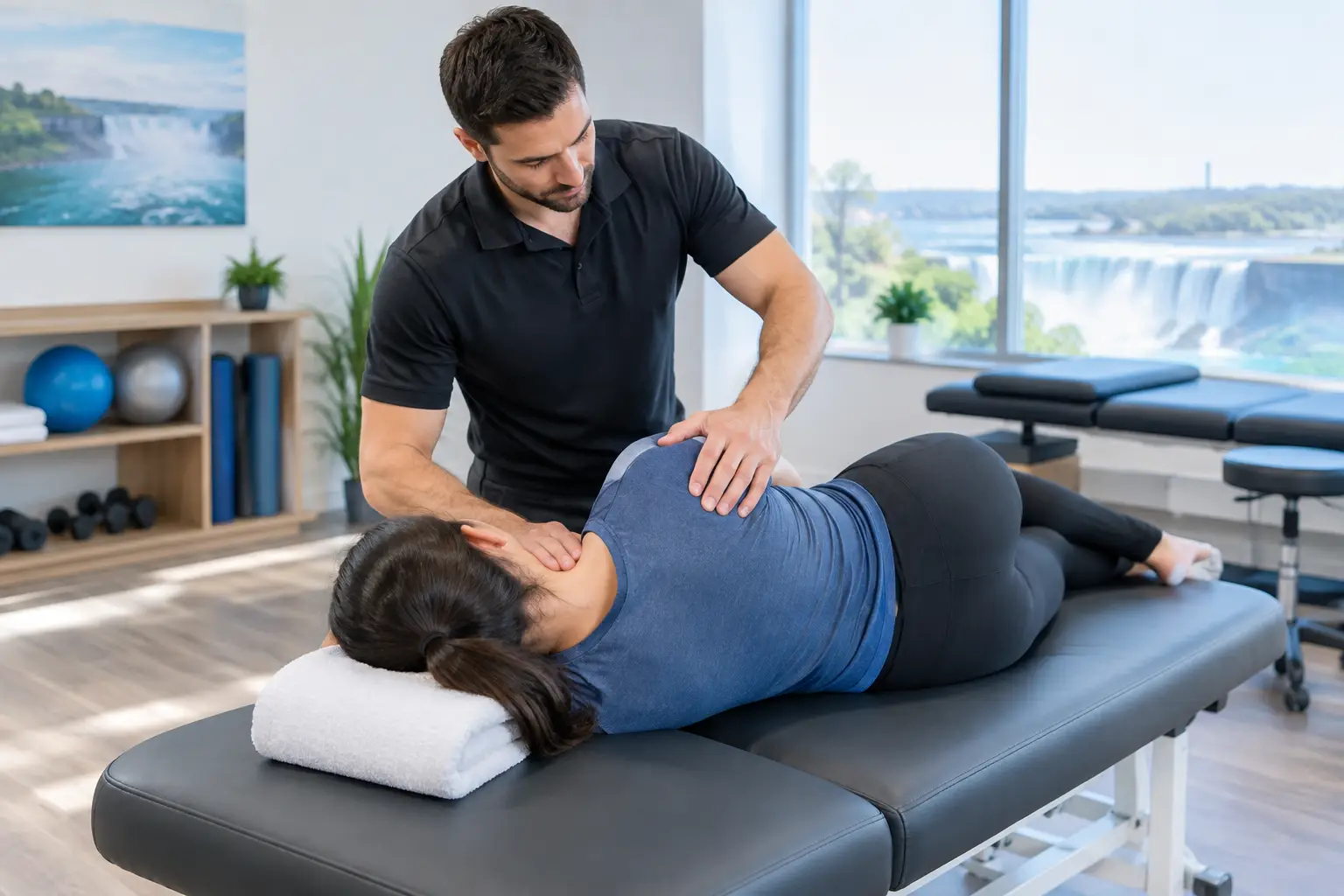
A stiff neck after a week at the desk, heavy legs after training, or a low back that feels tight by midafternoon can make ordinary movement feel like work. This Niagara massage therapy guide is designed to help you choose a treatment that fits what your body needs now, whether that means focused muscle relief, more comfortable range of motion, or an hour set aside to truly relax.
The right session is not always the deepest or longest one. It is the treatment that considers where you feel tension, how you use your body each day, and what level of pressure helps you leave feeling looser rather than overwhelmed. A thoughtful massage begins with listening, then adjusts the approach to your comfort and goals.
Start With What Your Body Is Telling You
People often book a massage with a broad goal such as stress relief, then realize that their discomfort has a pattern. Desk work may show up as tight shoulders, a forward head posture, and tension between the shoulder blades. Physical work may leave the hips, legs, hands, and low back feeling fatigued. Runners, soccer players, and gym-goers may notice restricted movement after demanding training or repetitive activity.
Before your appointment, consider when the tightness is most noticeable. Does your neck feel worse at the end of the day? Do your hips feel restricted when climbing stairs or squatting? Are your legs heavy after long shifts? These details help a therapist spend more time where it will be useful.
It also helps to think beyond one sore spot. Shoulder tension can be connected to the upper back, chest, arms, or the way you sit. Tight hips may affect how freely your legs move. Massage does not need to be a full-body treatment every time, but looking at the surrounding muscle groups can create a more balanced result.
Choose a Style That Matches Your Goal
Massage styles differ in how they feel and what they emphasize. A good choice depends on whether you want assisted stretching, oil-based relaxation, sustained warmth, or a more targeted approach for stubborn muscle tension.
Traditional Thai massage for mobility and stretching
Traditional Thai massage is a strong option for people who feel generally stiff, limited in their movement, or compressed by long hours of sitting. It is performed fully clothed on a raised table and uses rhythmic pressure, acupressure-style techniques, and assisted stretches.
The experience can feel active compared with an oil massage. Your therapist may guide your arms, legs, hips, and upper body through comfortable stretches while working along tight muscle areas. This makes Thai massage particularly helpful for clients who want to improve flexibility, release tension through the hips and back, and feel more open through the body afterward.
Pressure should always be adjusted to your comfort. Thai massage is not about forcing a stretch or pushing through sharp discomfort. Clear communication allows the session to be effective while still feeling safe and supportive.
Swedish oil massage for calming muscle relief
Swedish oil massage uses flowing strokes and hands-on muscle work to help reduce everyday tightness and encourage deep relaxation. It is well suited to first-time clients, people carrying stress in their neck and shoulders, and anyone who prefers a quieter, more traditional table-massage experience.
This style can be adapted from light to firmer pressure. If your primary goal is to settle a busy mind while easing generalized soreness, Swedish oil massage may be the most natural fit. If you have one or two areas that need more attention, let your therapist know at the beginning so the session can be paced accordingly.
Thai-Swedish combination massage for a balanced session
A combination treatment brings together the movement-focused benefits of Thai massage with the relaxing flow of Swedish techniques. It works well for clients who want both stretching and hands-on work for tight muscles without choosing only one style.
For example, a therapist may use Thai techniques to address hip and back stiffness, then transition to Swedish massage for the shoulders, neck, or legs. This can be a practical choice when tension is spread across several areas or when you want to leave feeling both mobile and deeply relaxed.
Hot stone massage for warmth and persistent tightness
Hot stone massage uses smooth, heated stones alongside massage techniques. The warmth can help muscles feel more receptive to slower, deeper work while creating a calming, grounded experience.
It can be especially appealing during colder months or when your body feels tight from head to toe. Hot stone massage may not be the best first choice if you specifically want extensive assisted stretching, but it can be combined with Thai-Swedish work for clients who want warmth, relaxation, and focused muscle attention in the same session.
Cupping as an addition to focused bodywork
Cupping may be included in a Thai combination oil massage when it suits the client’s goals and comfort. It is often chosen by active clients or people with areas of persistent muscular tightness, such as the upper back, shoulders, legs, or hips.
Cupping can leave temporary circular marks, so it is worth mentioning any upcoming event where you would prefer not to have visible marks. Ask questions before the session if you are new to cupping. Understanding what it feels like and what to expect afterward helps you decide whether it is right for you.
How Long Should Your Massage Be?
Session length affects how much time is available for both relaxation and focused work. A shorter appointment can be useful when you have a clear concern, such as tight shoulders from computer work or sore legs after a demanding week. It can also be a good introduction if you have never had Thai massage or a combination session before.
A longer treatment gives your therapist more room to work gradually. Rather than rushing from the back to the shoulders to the hips, there is time to address the areas around the tension and include restorative techniques. This is often valuable when you have several concerns, such as neck tightness, limited hip movement, and tired legs.
More time does not automatically mean more pressure. The best longer session is one that allows the treatment to be unhurried, personalized, and balanced. Transparent duration-based pricing also makes it easier to choose a session based on your goals and schedule.
What to Share Before Your Appointment
You do not need to arrive with a perfect explanation of what is wrong. A simple description is enough: “My right shoulder feels tight when I reach overhead,” or “My low back and hips feel stiff after sitting.” Tell your therapist about your preferred pressure, any areas you would rather avoid, and whether you want a relaxing session or more focused work.
During the massage, continue to speak up. Pressure can be changed, stretching can be made gentler, and the treatment can shift if an area needs more or less attention. Personalized care is not a script followed from start to finish. It is an ongoing conversation between your body and the therapist’s hands.
For Thai massage, wear comfortable clothing that allows easy movement. For oil, Swedish, or hot stone treatments, your therapist will explain what to expect and make sure you are properly covered and comfortable throughout the session.
Make the Benefits Last Beyond the Table
After a massage, give yourself a little time before returning to a packed schedule if possible. Drink water, move gently, and notice how your body feels over the next day or two. Some people feel immediately lighter; others notice that movement feels easier after they have rested.
Regular sessions can be useful when tension repeatedly returns because of work, training, or daily posture. The right rhythm depends on your body, activity level, budget, and goals. For some people, massage is a monthly reset. For others, a session around intense activity or during a particularly demanding period makes more sense.
The value comes from consistency and attention, not from choosing a one-size-fits-all schedule. If the same area keeps tightening, mention it at your next visit so the treatment can evolve with you.
A Niagara Massage Therapy Guide for Booking With Confidence
When choosing massage therapy in St. Catharines or elsewhere in Niagara, look for a dedicated studio where your comfort is treated as part of the service. A clean, calm setting, clear treatment descriptions, straightforward session lengths, and time to discuss your goals all make the experience easier to trust.
At Warin Thai Massage, Joy tailors traditional Thai massage and complementary bodywork to the way each client feels and moves. Whether you need more freedom through the hips, relief for hardworking shoulders, or a restorative break from a demanding routine, the best starting point is an honest conversation about what your body needs.
Your body does a great deal for you every day. Book your session online when you are ready to feel better, move better, and give tight, tired muscles the focused care they deserve.
Leave a Reply