 Skip to content

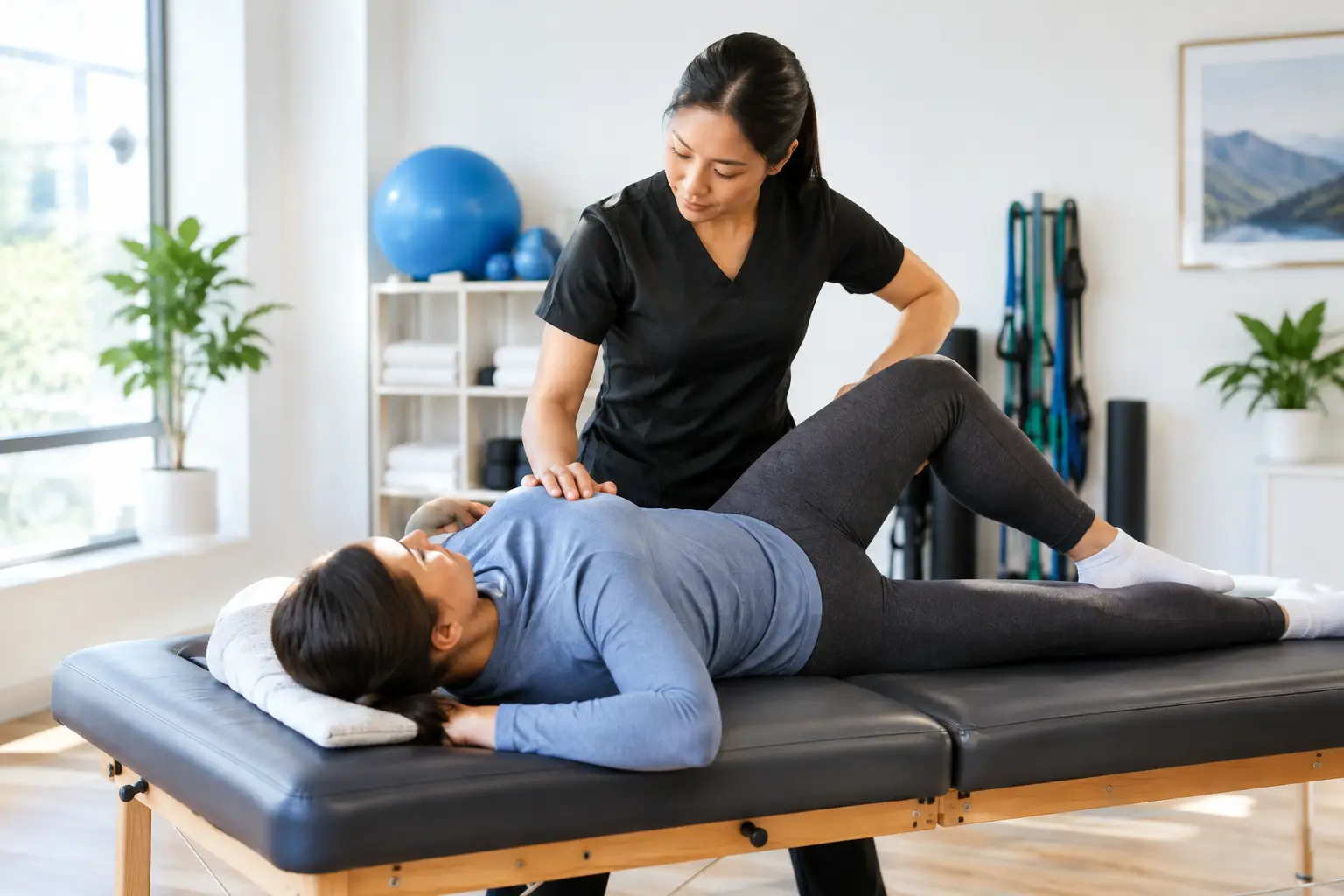
A Thai combination massage is often the right choice when one technique alone feels too limited. You may want the deep stretches that help tight hips and stiff shoulders move more freely, but also the calming pressure and muscle work of Swedish massage. This Thai combination massage guide explains how these treatments work, what to expect, and how to choose a session that fits the way your body feels.
For many people, tension is not limited to one area. Desk work can leave the neck and upper back tight while the hips feel restricted. Physical work, long drives, training, and sport can create a different pattern of soreness through the legs, knees, glutes, and low back. A thoughtfully combined session gives your therapist more than one way to address those patterns.
What Is a Thai Combination Massage?
Thai combination massage blends traditional Thai techniques with another massage style, most commonly Swedish massage, oil massage, hot stone work, or cupping. The goal is not to perform as many techniques as possible. It is to select the approaches that best support your comfort, mobility, circulation, and relaxation during that appointment.
Traditional Thai massage uses focused palm and thumb pressure, rhythmic bodywork, and assisted stretches. At Warin Thai Massage, traditional Thai work is performed fully clothed on a raised table, so you can stay comfortable while receiving guided stretches and targeted pressure. It can be especially helpful for people who feel stiff through the hips, legs, back, shoulders, or chest.
Swedish and oil-based massage add long, flowing strokes and focused muscle work. These techniques can help settle general tightness and create a slower, more restful feeling. When Thai stretching and pressure are paired with Swedish techniques, the result is a session that can feel both active and deeply relaxing.
Why Combine Thai and Swedish Massage?
Thai massage and Swedish massage offer different benefits, which is why they work well together. Thai techniques can help when your body feels restricted and you want more range of motion. Swedish massage can help when your muscles feel overworked, tender, or generally tense and you need time to unwind.
A combination session may begin with Swedish-style work to warm the muscles, then move into Thai pressure and assisted stretches once the body is more receptive. Or it may use Thai stretches first, followed by oil massage to soothe the areas that worked hardest. The order depends on your goals, your comfort with stretching, and what your therapist notices during the session.
This approach is popular with clients who sit for long hours, stand on hard floors, lift regularly, or train for sports. It is also a practical choice when you cannot decide between wanting relaxation and wanting work that feels more targeted. You do not have to choose only one.
What assisted stretching feels like
Assisted stretching is controlled, gradual, and guided by your comfort. Your therapist supports your body while moving a limb or joint through a natural range of motion. It is not about forcing a stretch or pushing through sharp discomfort.
You may feel a satisfying pull through the hamstrings, hips, chest, shoulders, or sides of the body. Clear communication matters. Let your therapist know if a position feels too intense, if an area is sensitive, or if you prefer gentler pressure. A good Thai combination massage adapts to you rather than asking you to tolerate a preset routine.
Choosing the Right Thai Combination Treatment
The best option depends on whether your main concern is stiffness, muscle tension, recovery, or pure relaxation. Your session can be adjusted within a treatment, but knowing the general differences helps you book with more confidence.
Thai-Swedish combination massage
This is often the most balanced option for first-time clients. It combines assisted stretching and acupressure-style Thai techniques with Swedish massage strokes. Choose it if you feel tight in several areas, such as the shoulders, back, hips, and legs, and want to leave feeling looser without having an overly intense session.
It is also a strong choice for people whose posture is affected by computer work. Gentle chest and shoulder opening, along with focused work through the upper back and neck, may help you feel less compressed after hours at a desk.
Thai combination oil massage
Thai combination oil massage is a good fit when you want more fluid muscle work alongside Thai stretching and pressure. Oil allows for smooth, broad strokes that can be particularly comforting for tired legs, a tense back, or shoulders that carry stress throughout the day.
This style is usually less active than a fully clothed traditional Thai session, although stretching can still be included. It is well suited to someone who wants therapeutic attention to specific tight areas while also making room for quiet relaxation.
Hot stone and Thai-Swedish combination massage
Hot stones add steady warmth to a massage session. The heat can help muscles feel more relaxed before focused massage and stretching begin. This makes hot stone and Thai-Swedish work a welcome option during colder months or whenever your body feels deeply fatigued and guarded.
Hot stone work is not automatically better for every concern. If your priority is a highly active recovery session with plenty of stretching, a standard Thai-Swedish combination may make more sense. If you are craving warmth, slower pacing, and relief from all-over muscle tension, hot stones may be the better match.
Thai combination oil massage with cupping
Cupping may be added when you want more focused work in areas that feel especially dense or stubborn, such as the upper back, shoulders, glutes, or legs. It is used alongside oil massage and Thai techniques, not as a replacement for skilled hands-on work.
Cupping can leave temporary circular marks, and those marks can vary from person to person. If you have an event, photos, or plans that make visible marks inconvenient, tell your therapist before your appointment. This option is best for clients who are comfortable with a more targeted approach and want their session customized around specific areas of tension.
How Long Should Your Session Be?
Duration changes what your therapist can realistically address. A shorter appointment can be useful when one area needs attention, such as the neck and shoulders or the legs after a demanding week. However, Thai combination massage often benefits from more time because it includes both focused muscle work and assisted stretching.
A longer session gives room to work through connected patterns. For example, low-back tightness may be influenced by tension through the hips, glutes, hamstrings, and upper legs. Shoulder discomfort may be connected to the chest, upper back, and neck. More time does not mean more pressure. It means less rushing and a more complete approach.
If you are unsure, think about your goal. Choose a focused session for one or two problem areas. Choose more time when you want full-body care, have several areas of concern, or would like hot stones or cupping included without losing time for massage and stretching.
What to Expect at Your Appointment
Your appointment should begin with a simple conversation about how you feel, what activities affect your body, and which areas need the most attention. Mention anything that changes your comfort, including sensitivity to pressure, difficulty lying in certain positions, or a preference for less stretching.
During a Thai-Swedish combination session, you may spend part of the time clothed for traditional Thai work and part of the time receiving oil-based massage, depending on the treatment selected. Your therapist will explain the flow of the session and make sure you are appropriately covered and comfortable throughout.
Pressure is always adjustable. Some clients want firm work through the back, glutes, or legs, while others need a gentler approach around the neck or shoulders. Useful massage should feel productive, not like a test of endurance. Speaking up during the session helps your therapist make small adjustments that can make a meaningful difference.
Getting More From Your Massage
Arrive a few minutes early so you do not begin your session feeling rushed. Wear comfortable clothing if your treatment includes fully clothed Thai massage, and drink water as part of your normal routine afterward. Give yourself a little space after the appointment if possible. A demanding workout, long drive, or immediate return to a stressful schedule can make it harder to notice the relaxed, open feeling you worked toward.
Regular sessions can also be helpful when tension returns in predictable patterns. The right schedule varies. Someone training hard or doing physical work may prefer more frequent care during demanding periods, while a desk worker may book when shoulder and hip stiffness begins to affect daily movement. Your body, schedule, and goals should guide the plan.
A Personalized Option for St. Catharines Clients
The value of a Thai combination massage is in the personalization. You are not receiving a fixed sequence designed for everyone. You are receiving a session that can shift between stretching, focused pressure, Swedish techniques, warming stones, or cupping based on what your body needs that day.
If your muscles feel tight, your movement feels limited, or you simply need time to reset, book your session online with Warin Thai Massage in St. Catharines. A personalized treatment can help you feel better, move better, and return to your day with more ease.
Leave a Reply