 Skip to content

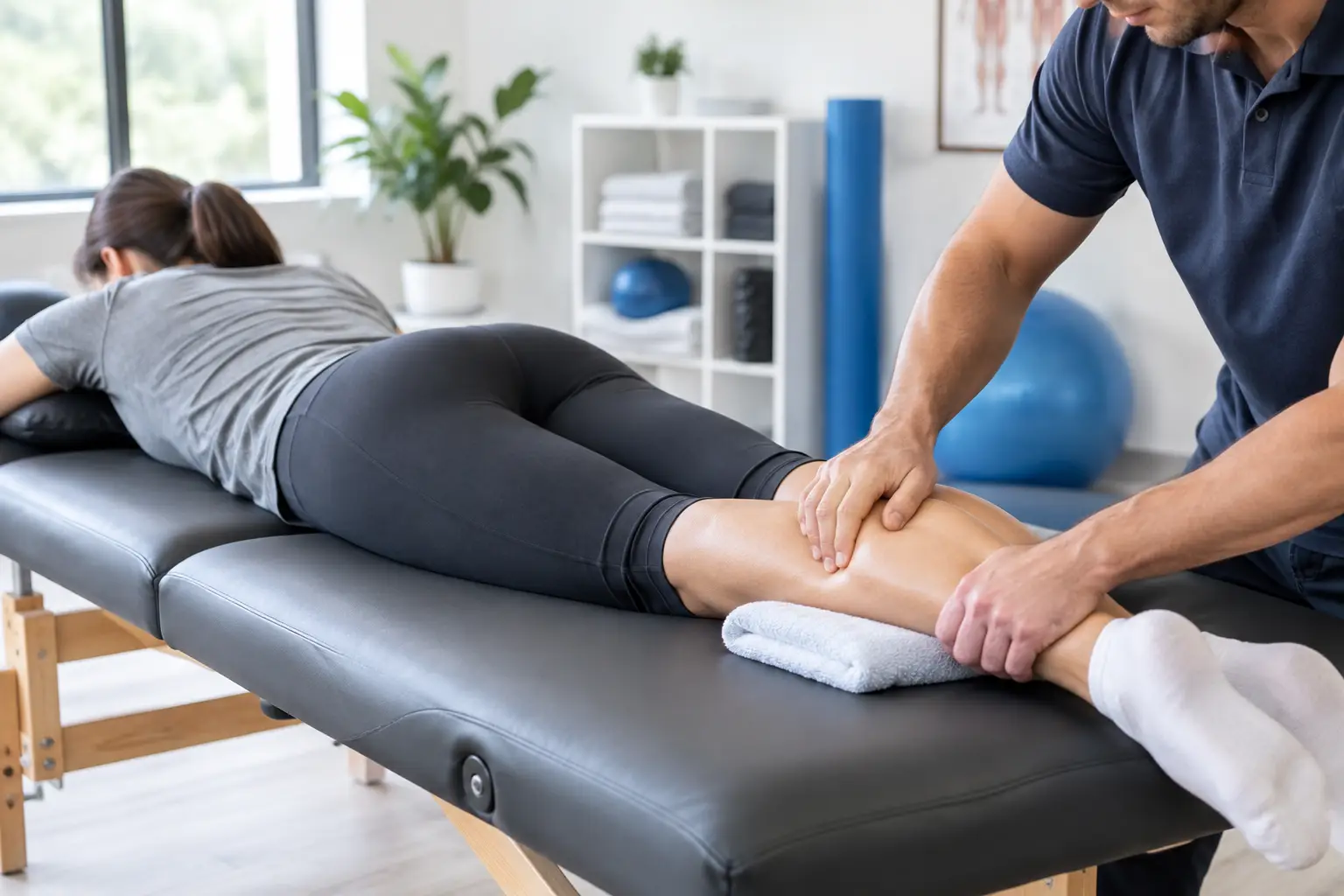
A calf that feels tight with every step can make a short walk, a workout, or a full workday feel much longer. The best bodywork for tight calves is not always the deepest pressure. It is the approach that addresses the muscle tissue, circulation, and movement patterns contributing to the tension – while keeping your body comfortable and relaxed.
Calf tightness is common for runners, soccer players, people who stand for work, and anyone who spends long hours sitting. At Warin Thai Massage, sessions are personalized around how your calves feel, how you move, and what your body needs that day.
Why Calves Become Tight in the First Place
Your calves do more work than they get credit for. They help you walk, climb stairs, balance, push off the ground, and absorb impact. The larger gastrocnemius muscle and the deeper soleus muscle can both feel restricted, but they may respond differently to pressure and stretching.
Tightness may show up after a demanding workout, a long shift on your feet, or a period of reduced movement. Unsupportive footwear, repetitive hills or stairs, and limited ankle mobility can also leave the lower legs feeling heavy and tense. Sometimes the calves are working harder because of tension higher up in the hamstrings, hips, or feet.
That is why a focused session should not treat the calf as an isolated problem. A skilled therapist may work with the feet, ankles, lower legs, and nearby muscle groups to help your legs move with less restriction.
Best Bodywork for Tight Calves: Thai Massage
Traditional Thai massage is often an excellent choice for tight calves because it combines steady acupressure with assisted stretching. The treatment is typically performed fully clothed on a raised table, allowing the therapist to use careful positioning and leverage rather than relying only on intense pressure.
For tight calves, Thai techniques can include rhythmic compression along the lower leg, focused palm or thumb pressure, and supported stretches for the ankle and leg. These techniques encourage the muscles to soften gradually. They can also help improve the feeling of mobility through the ankle, which matters when walking, squatting, running, or playing sports.
The main advantage of Thai massage is that it works with movement, not just tissue. If your calves feel short and stiff after sitting or training, assisted stretching may be especially helpful. If direct pressure feels too strong, the therapist can adjust the pace and use broader contact to keep the work effective and comfortable.
When Thai Massage May Be the Better Fit
Thai massage can be a strong option when calf tightness comes with stiffness in the feet, hamstrings, hips, or lower back. It is also helpful for active people who want to feel more open and mobile rather than simply relaxed.
For example, a soccer player may benefit from a session that addresses the calves, ankles, hip flexors, and hamstrings together. Someone who stands at work may prefer steady lower-leg compression and gentle stretching that eases the tired, weighted feeling in the legs.
Swedish and Oil Massage for Muscle Tension
Swedish oil massage is another effective approach, particularly when the calves feel sore, overworked, or sensitive to deeper techniques. Long, flowing strokes and kneading can help warm the area, encourage circulation, and create a calmer response in tense muscles.
This style can be a good fit if you want targeted calf work within a deeply relaxing full-body session. It also gives the therapist the ability to assess how the muscle responds as pressure gradually increases. More pressure is not automatically better. A calf that is already guarding may tighten further if the work is rushed or overly forceful.
A Thai-Swedish combination treatment offers a practical middle ground. It can blend the mobility benefits of Thai stretching with the soothing, direct muscle work of Swedish massage. Many clients find this especially useful when their calves are tight but they also want relief in their feet, back, shoulders, or hips.
Can Cupping Help Tight Calves?
Cupping can be a useful complement to massage for some people with persistent calf tightness. The cups create gentle suction on the skin and soft tissue, which can create a different sensation from hands-on pressure. During a Thai combination oil massage with cupping, it may be used alongside massage techniques rather than as a standalone answer.
Some clients like cupping when their lower legs feel dense or stuck after repetitive activity. Others prefer hands-on work and stretching. Both responses are valid. Cupping can leave temporary circular marks, so it may not be the right choice before an event, a beach day, or any time you prefer not to have visible marks.
Your therapist should explain what to expect, check your comfort, and choose placement carefully. The goal is not to make the treatment look intense. The goal is to select techniques that support easier movement and less muscle tension.
What About Hot Stone Massage?
Heat can be very comforting when tight calves feel achy, tired, or slow to loosen. Hot stone massage uses warmed stones to help relax the muscles before or alongside hands-on work. The warmth may make it easier for some people to settle into the session, especially during colder months or after long days on their feet.
Hot stone massage is usually best for general muscle tightness and relaxation rather than for a highly specific sports-recovery goal. It can still be adapted to include focused calf attention, but Thai stretching or a Thai-Swedish combination may be a better match if improving flexibility and range of motion is your main priority.
What a Personalized Calf-Focused Session Should Include
The right bodywork begins with listening. Before a session, share when your calves feel tightest, whether the tension follows exercise or work, and which movements feel limited. Mention if you have recently changed your activity level, shoes, training routine, or job demands.
A personalized session may include work on the soles of the feet and ankles, where restriction can influence how the calves work. It may also include the hamstrings and hips, since those areas affect leg mechanics and posture. The treatment can be calming and still feel purposeful.
You should never feel that you need to tolerate sharp, alarming, or overwhelming discomfort to get results. Productive bodywork often feels like steady pressure, a strong but manageable stretch, or a gradual release. Clear communication helps your therapist adjust the pressure, technique, and positioning throughout the appointment.
Helping the Benefits Last Between Sessions
Bodywork is most useful when it supports the way you move outside the studio. After a calf-focused treatment, gentle walking and regular hydration can help you ease back into your day. If your legs are sore from a hard workout, give them time before returning to maximum effort.
Simple movement breaks can also make a difference for desk workers. A few ankle circles, slow heel raises, or a brief walk during the day may help prevent the lower legs from feeling locked up after hours in one position. Active clients may benefit from including gradual warm-ups and recovery days in their training routine.
If calf discomfort is sudden, severe, accompanied by swelling or unusual warmth, or does not feel like your usual muscle tension, seek prompt medical guidance before booking bodywork.
Book a Calf-Focused Massage in St. Catharines
Tight calves do not need to be your normal after every shift, run, game, or commute. A personalized Thai massage, Swedish massage, combination session, hot stone treatment, or cupping session can be adapted to your comfort level and goals.
Book Your Session with Warin Thai Massage in St. Catharines and let Joy focus on the areas that are limiting your movement. With attentive, well-paced bodywork, your legs can feel lighter, move more freely, and be better supported for the activities you enjoy.
Leave a Reply