 Skip to content

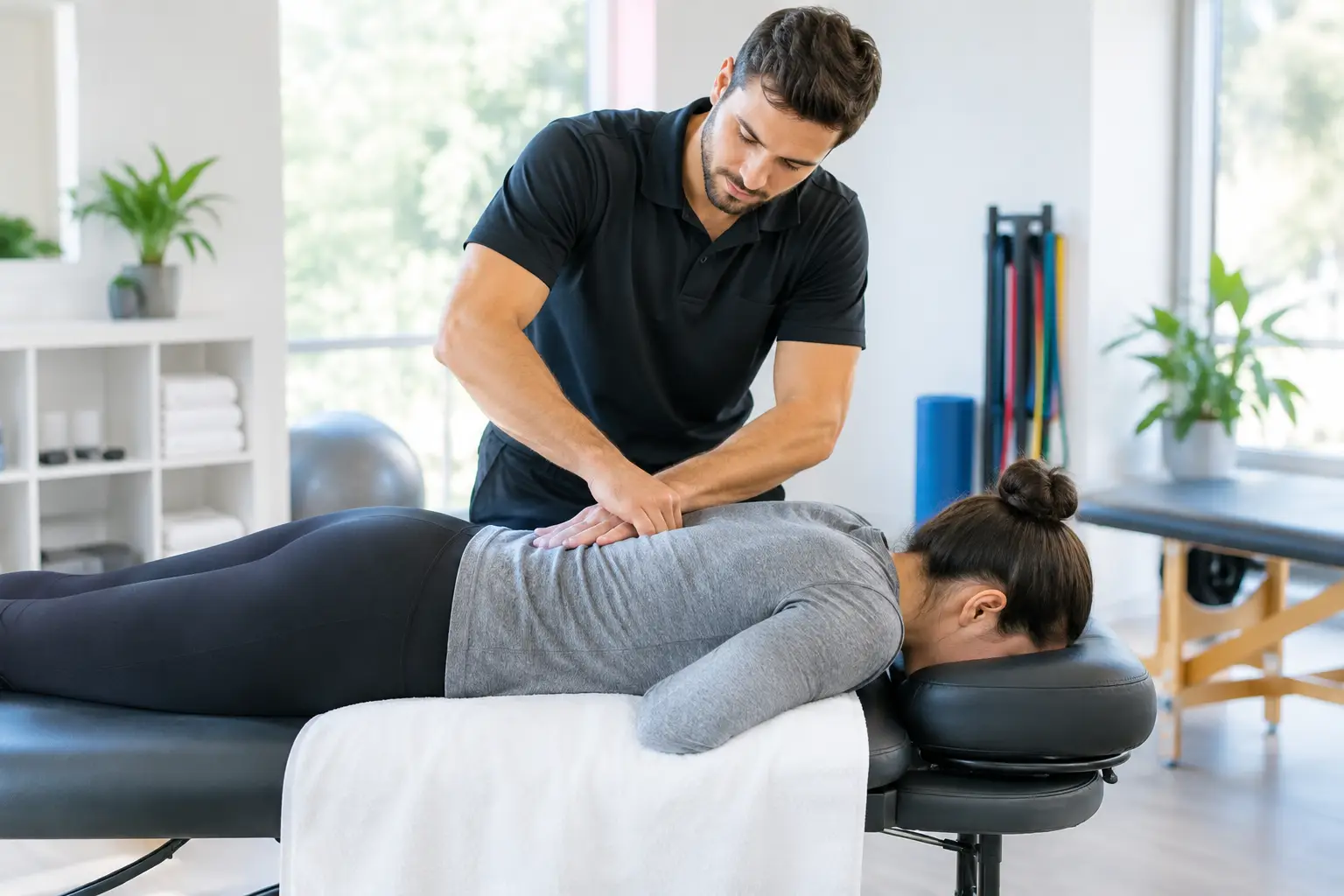
A tight neck after hours at a desk, legs that feel heavy after a demanding shift, or hips that resist every stretch all call for something more specific than a standard session. Choosing personalized massage treatments means looking at what your body is asking for right now: relief from stubborn tension, better range of motion, deep relaxation, or support for post-workout recovery. The best choice is not always the firmest pressure or the longest appointment. It is the treatment that matches your goals, comfort level, and daily demands.
Start With the Result You Want to Feel
Before selecting a massage style, think about what you want to notice when you leave the studio. You may want your shoulders to feel less restricted, your lower body to move more freely, or your mind to settle after a stressful week. Clear goals give your therapist a useful starting point and help shape the session around the areas that need the most attention.
For many clients, the answer is a combination of goals. A soccer player may want focused leg recovery and hip mobility. A professional who spends most of the day at a computer may need work around the neck, upper back, chest, and shoulders. Someone with a physically demanding job may be looking for full-body relaxation while also easing tight calves, forearms, or lower back muscles.
You do not need perfect language to explain what is bothering you. Simply describe where you feel tension, what movements feel limited, how long the issue has been present, and what tends to make it feel better or worse. A skilled therapist can use that information to tailor the pace, pressure, and techniques used during your treatment.
Choosing Personalized Massage Treatments by Style
Different massage modalities offer different experiences. The right one depends on whether you prefer active stretching, smooth oil-based work, heat, or a blend of techniques.
Traditional Thai massage for mobility and tension
Traditional Thai massage is a strong option when tightness is affecting the way you move. It combines assisted stretching, rhythmic pressure, and acupressure-style techniques to address muscle tension while encouraging mobility. Because it is performed fully clothed on a raised table, it is a practical choice for clients who prefer not to use oil.
This style can feel especially helpful when the hips, legs, back, or shoulders feel stiff from sitting, training, or repetitive work. Assisted stretches are adjusted to your comfort, so the goal is not to force range of motion. The goal is to help your body feel less guarded and more comfortable in movement.
Thai massage may be the better fit if you enjoy feeling actively stretched and prefer a session that focuses as much on mobility as relaxation. If you mainly want long, gliding strokes and a quieter, more passive experience, a Swedish-based treatment may suit you better.
Swedish oil massage for calming, flowing relief
Swedish oil massage uses smooth, flowing strokes to encourage relaxation and ease general muscle tightness. It is often a comfortable choice for first-time clients, people who feel mentally overstimulated, or anyone who wants to slow down while still receiving focused bodywork.
Pressure can be adapted. Lighter pressure may feel best when you are sensitive or simply need time to relax. Moderate or firmer pressure may be appropriate when larger muscle groups in the back, shoulders, or legs feel persistently tight. More pressure is not automatically more effective. The useful level is the one that feels productive without making you brace against the work.
A Thai combination Swedish massage can be a good middle ground. It brings together targeted stretching and pressure work with the relaxing flow of Swedish techniques. This option works well for people who want both improved movement and a calmer full-body reset.
Hot stone massage for deep warmth
Heat can change the feel of a massage session. Hot stone massage uses warmed stones alongside hands-on techniques to help muscles relax gradually. For clients who carry tension across the upper back, shoulders, or legs, the warmth can make deeper work feel more comfortable without relying only on heavy pressure.
A hot stone and Thai-Swedish combination treatment offers another flexible option. It can blend heat with stretching, focused pressure, and oil-based massage based on what your body needs that day. This is often a thoughtful choice during colder months or whenever your muscles feel especially tight and slow to release.
Hot stone treatments are not always the best choice if you dislike heat or prefer a more active session. Say so during your consultation. Personalization includes knowing when to leave a popular modality out.
Cupping for targeted muscle tension
Thai combination oil massage with cupping may appeal to clients who want a more focused approach to persistent muscular tightness, especially in the back, shoulders, hips, or legs. Cupping is used alongside massage techniques rather than replacing them, and the intensity, placement, and duration should be adjusted to your comfort.
Cupping can leave temporary circular marks, which vary from person to person and may last for several days. If you have an event, photos, or activities where visible marks would be inconvenient, mention that before your session. It may still be possible to focus on areas that are less visible, or a different treatment may be a better match.
Pressure Should Feel Purposeful, Not Overwhelming
Many people assume effective massage must be painful. In reality, pushing through sharp discomfort often causes muscles to tighten further. Productive pressure may feel intense in a tight area, but you should still be able to breathe normally and relax into the treatment.
Your comfort can change from one area to another. The shoulders may tolerate deeper work while the calves or hips need a gentler approach. Let your therapist know if pressure feels too light, too strong, or uncomfortable in a way that makes you tense up. That feedback is not an interruption. It is part of creating a session that works for you.
The same is true for stretching. In Thai massage, a good stretch should feel controlled and supported, never forced. A therapist can adjust the angle, range, or amount of support to meet you where your body is today.
Let Your Routine Shape the Session
Your schedule and activity level matter when selecting a treatment. If you have a high-stakes game, race, long drive, or demanding workday ahead, you may prefer a session that leaves you feeling relaxed and mobile without working too aggressively on already-sensitive areas. After hard training or a physically taxing week, you may want more time devoted to the legs, hips, back, or shoulders.
For ongoing desk tension, regular sessions may be more useful than waiting until discomfort becomes difficult to ignore. Your treatment can shift over time. One visit may focus on upper-body tension and posture-related tightness, while the next may prioritize hips and legs after a busy weekend.
Session length also makes a difference. A shorter appointment can be effective when one or two areas need attention. More time allows for a fuller approach, especially when you want both focused work and space to relax the entire body. There is no single ideal duration. It depends on how many areas you want addressed and how your body responds to treatment.
What to Share Before Your Appointment
Personalized care begins before the massage starts. Tell your therapist about areas of tension, recent activity, preferred pressure, and whether you want more relaxation, mobility work, or targeted attention. Mention if you have tried massage, hot stones, stretching, or cupping before and how your body responded.
It also helps to share practical preferences. If you prefer a quieter session, would like the room warmer or cooler, or need extra support for comfort on the table, say so. A calm experience is built from small adjustments as much as from technique.
At Warin Thai Massage in St. Catharines, Joy listens closely to these details and adapts each session to the person on the table. Whether you choose traditional Thai massage, Swedish oil massage, hot stone work, or a customized combination, the focus stays on helping you feel better, move better, and return to your routine with more ease.
Your Best Treatment Can Change Over Time
The massage that fits today may not be the one you choose next month. Your needs can change with your workload, training schedule, stress level, sleep, and the way your body feels on a particular day. That is why a personalized approach matters more than choosing a service based on a name alone.
Start with your most immediate goal, communicate honestly about comfort, and stay open to a combination of techniques when it makes sense. Book your session online when you are ready for attentive, customized care that meets your body where it is and helps you move through life with greater comfort.
Leave a Reply