 Skip to content

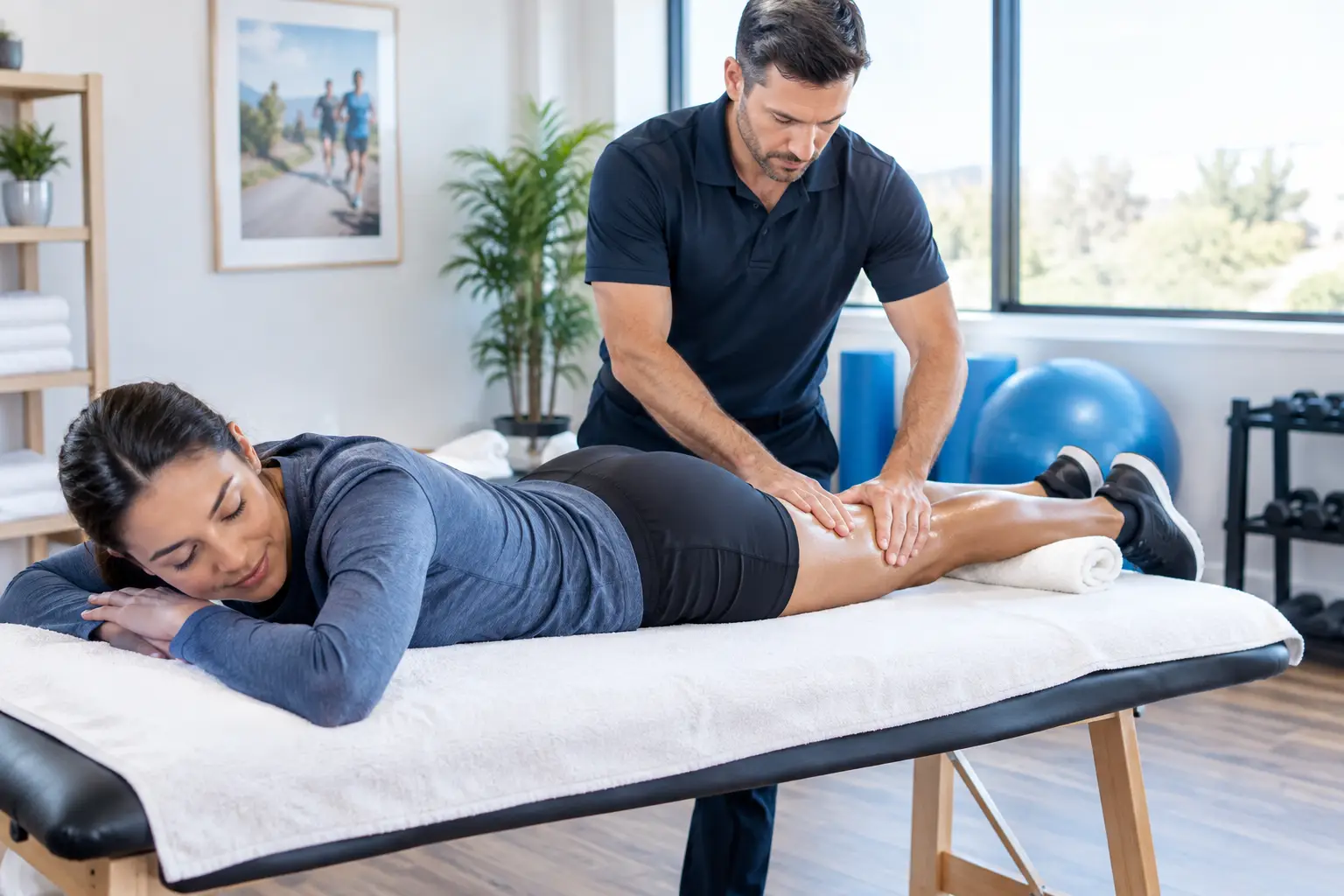
A hard run does not always leave you sore in one obvious place. Tight calves can change how your feet land. Stiff hips can make your lower back work harder. A heavy training week may leave your legs feeling flat even when you are ready to run again. The best massage for runners is the one that responds to those patterns instead of applying the same pressure everywhere.
For many runners, a personalized session combines focused muscle work with relaxation and mobility. The right approach can ease everyday tension, support circulation, and help you move with a freer stride. It should never feel like a punishment for training. Effective massage is attentive, adjustable, and built around how your body feels that day.
What Runners Need From a Massage
Running asks a great deal from the calves, hamstrings, glutes, hip flexors, and feet. It also challenges the upper body more than many people expect. When arms and shoulders tense during long runs or hill work, that tension can affect breathing rhythm and posture.
Massage can help soften areas that feel guarded or overworked while bringing attention to movement patterns that have become restricted. Some runners want a deeply relaxing session after an event. Others need targeted work before a busy training block, when hip tightness, knee-area tension, or calf stiffness is beginning to affect their stride.
The key is timing and communication. A therapist should ask about your recent runs, upcoming race or workout schedule, sensitive areas, pressure preferences, and whether you want to prioritize recovery, mobility, or relaxation. The answer is rarely one technique alone.
Best Massage for Runners: Thai Massage
Traditional Thai massage is an especially strong choice for runners who feel stiff, compressed, or limited in their range of motion. Performed fully clothed on a raised table, it combines rhythmic pressure with assisted stretches. Rather than simply working on a tight hamstring, the session can address how the hamstrings, hips, glutes, and lower back are moving together.
For runners, assisted stretching can feel particularly useful through the hips and legs. A therapist may guide the legs through gentle positions that encourage length and ease without forcing a stretch. Acupressure techniques can then focus on dense or tense areas in the calves, thighs, glutes, shoulders, or back.
Thai massage is a good fit when you feel generally tight after sitting at a desk, traveling, increasing mileage, or returning to running after time away. It can also be helpful if you prefer not to use massage oil. Because it is adaptable, pressure and stretching can be kept gentle or made more focused based on your comfort.
When Thai massage may be the better choice
Choose Thai massage when mobility is your main concern. If your hips feel restricted, your stride feels short, or you notice that tightness spreads from one area into another, the combination of stretching and pressure may be more useful than work focused on a single muscle group.
It is also a practical option in the days between regular runs, when you want to feel looser without leaving your legs overly tender. That said, if you have a race or intense workout very soon, tell your therapist. A lighter, restorative session is usually a better choice than intensive work right before an important effort.
Swedish Oil Massage for Heavy, Tired Legs
Swedish oil massage uses smooth, flowing strokes and kneading techniques to create a deeply calming experience. For runners carrying general fatigue through the legs, back, and shoulders, it can be an excellent way to reduce the sense of heaviness that builds after long runs or demanding workdays.
The oil allows the therapist to work gradually across larger muscle areas, from the calves and quads to the glutes and upper back. This is not about chasing pain. It is about giving tight tissue time to settle while encouraging circulation and relaxation.
A Swedish session is often well suited to a recovery day, especially if your body feels worn down rather than restricted. It can also be a comfortable starting point for first-time massage clients who are unsure how much pressure they want. If one area needs more attention, the therapist can still spend time there without making the entire session overly intense.
Thai-Swedish combination massage for balanced recovery
Many runners benefit most from a Thai-Swedish combination massage. This approach brings together assisted stretches and acupressure with the flowing, muscle-soothing work of Swedish oil massage.
It is a thoughtful choice when your legs are tight but you also need to unwind. For example, a session may begin with focused pressure and supported hip or leg stretches, then shift into oil massage for the calves, hamstrings, glutes, and lower back. The result can feel both restorative and productive: more room to move, with less lingering tension.
At Warin Thai Massage in St. Catharines, sessions can be tailored to the way you train and where you feel discomfort most. Joy takes time to understand the areas that need attention, whether that is post-run calf tightness, persistent hip tension, sore shoulders, or a back that feels overworked.
When Hot Stone Massage Makes Sense
Hot stone massage can be a welcoming option for runners who feel deeply tense and cold or stiff through the muscles. Smooth, heated stones are used alongside massage techniques to bring warmth to larger areas such as the back, glutes, thighs, and calves.
The warmth can help the body relax before more focused hands-on work begins. This may be especially appealing after outdoor winter running, long periods of sitting, or a stressful week when training tension is mixed with everyday stress.
Hot stone massage is not necessarily the first choice if you are looking for a stretching-focused session or if you have a race the next morning. But when relaxation is part of your recovery plan, it can be a comfortable way to settle tired muscles and leave feeling rested.
What About Cupping?
Thai combination oil massage with cupping can be useful for experienced massage clients who want focused attention on areas that feel especially dense or restricted. Cupping is typically used alongside massage, not as a replacement for it. The therapist can adjust placement and intensity according to your comfort and goals.
Runners often ask about cupping for the back, glutes, hamstrings, or calves. It may suit you if you enjoy targeted bodywork and have time to recover afterward. Temporary circular marks can occur, so consider your schedule if you prefer them not to be visible for an event or special occasion.
As with every modality, more is not always better. A thoughtful session uses the technique only where it makes sense, rather than treating it as a required part of athletic recovery.
Timing Your Massage Around Runs and Races
For regular training, massage can fit comfortably on an easy day, after a long run, or during a lighter week. Some runners prefer a gentle session after demanding mileage, while others schedule bodywork before tension becomes distracting. Consistency matters more than waiting until you are extremely tight.
Before a race, keep the session lighter and more restorative. The goal is to feel comfortable, relaxed, and mobile, not to introduce soreness. Save deeper, more focused work for after the event or when you have enough time before your next hard workout.
After a race, listen to how your body feels. A calming Swedish or gentle Thai-Swedish session may be more appropriate than aggressive pressure. Give clear feedback throughout your appointment. Pressure should feel useful and manageable, never sharp or alarming.
How to Choose the Right Session
Start with what you want to change. If you want better mobility through the hips and legs, Thai massage or a Thai-Swedish combination is often a natural fit. If your whole body feels fatigued and you mainly want to relax, Swedish oil massage may be ideal. If warmth helps you unwind, consider hot stone massage. If you are curious about more targeted work and understand the possible temporary marks, ask whether cupping fits your goals.
You do not need to know the perfect modality before booking. Share your running routine, current tension, and preferred pressure, then allow your therapist to recommend an approach. Good massage care is collaborative. Your feedback helps shape every session.
Your next run does not need to begin with legs that feel like concrete. Book Your Session online and give your body dedicated time to feel better, move better, and return to training with greater ease.
Leave a Reply