 Skip to content

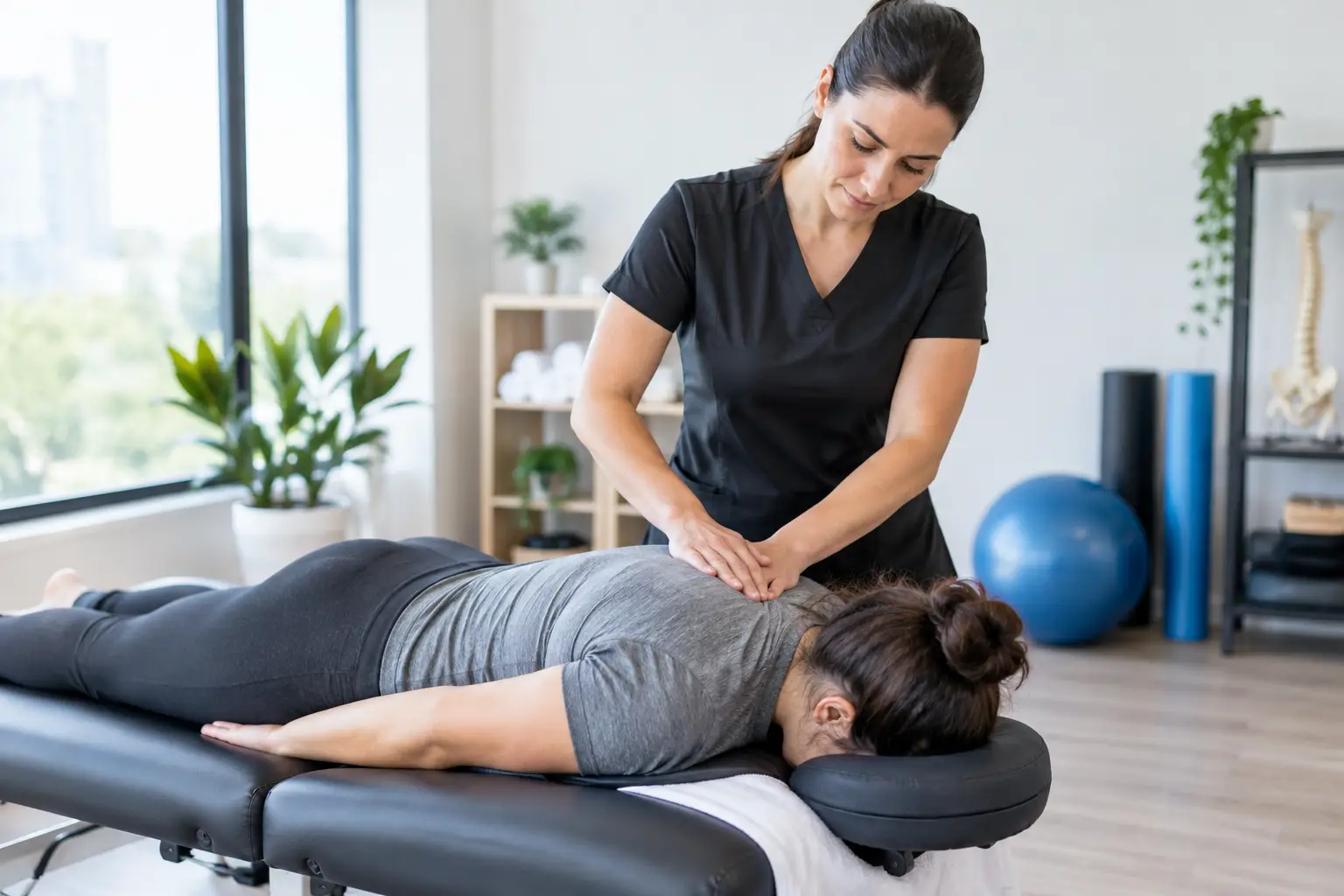
A neck that tightens again halfway through the workday. Shoulders that seem to live near your ears. Hips, calves, or low back muscles that never quite settle after a long shift or hard training session. If you are asking, can massage help chronic tension, the practical answer is often yes – but the best results come from understanding what is keeping the tension in place and choosing care that fits your body.
Chronic tension is rarely just one knot that needs to be pressed away. It can reflect repetitive posture, limited movement, demanding physical work, intense exercise, stress, poor recovery, or a combination of all of these. Massage can help reduce the feeling of tightness, calm overworked muscles, and make everyday movement feel easier. It is most useful when the session is personalized rather than treated as a one-size-fits-all reset.
Can massage help chronic tension over time?
Massage may help chronic tension by working with the muscles and soft tissues that feel restricted, sore, or fatigued. Skilled hands-on work can encourage circulation in the area, reduce protective muscle guarding, and give your nervous system a chance to shift out of its constant “on” mode. Many people notice that their shoulders drop, their breathing feels less shallow, or they can turn their head more comfortably after a session.
The effect is not only about pressure. The right pace, technique, and attention to the surrounding areas matter. Tightness in the neck, for example, may be connected to overworked upper back muscles, chest tightness, or the way you hold your arms at a desk. Hip and leg tension may be influenced by long periods of sitting, standing, lifting, or training. Looking beyond the exact sore spot often creates a more comfortable and lasting change.
Massage does not erase the demands of your work, sport, or daily routine. It can, however, create a valuable window of relief and better movement. That window is an opportunity to move differently, rest more fully, and avoid letting temporary strain build into your usual baseline.
Why tension keeps coming back
When tension is persistent, it is tempting to blame one “tight muscle.” In reality, the body often adapts to repeated demands by bracing. A desk worker may lean toward a screen for hours. Someone in a physical job may repeatedly carry, bend, reach, or stand on hard floors. An active person may train hard while skipping recovery days or mobility work.
Stress can add another layer. You may clench your jaw, hold your breath, or tense your shoulders without noticing. The muscles are doing their best to protect and stabilize you, but staying switched on for too long can leave them sore and less responsive.
This is why a single massage can feel wonderful but may not permanently change a pattern that has developed over months or years. For chronic tension, a series of thoughtfully planned sessions often makes more sense than waiting until discomfort becomes overwhelming. The frequency depends on your symptoms, activity level, goals, and how your body responds. Some clients benefit from closer appointments at first, then move to maintenance sessions once they are feeling and moving better.
Which massage style may be most helpful?
The best choice depends on how your tension feels, what your body needs that day, and your comfort with pressure and stretching. A personalized session can also combine techniques rather than forcing you to choose only one approach.
Traditional Thai massage for mobility and deep tension
Traditional Thai massage is performed fully clothed and uses assisted stretching, rhythmic compression, and focused acupressure. It can be an excellent option for people whose tension comes with stiffness through the hips, legs, back, or shoulders. The assisted stretches are adjusted to your range of motion, so the goal is not to push farther than your body is ready to go.
For someone who feels compressed after long hours at a desk, Thai massage can help open areas that have been held in one position. For active clients, it can support recovery by addressing restricted movement patterns in the legs, hips, and upper body.
Swedish and oil massage for relaxation and muscle relief
Swedish massage uses flowing strokes and adaptable pressure to help soothe tired muscles and encourage deep relaxation. It can be especially helpful when stress is a major part of the picture, or when your body feels generally achy and overloaded rather than limited in one specific area.
Oil massage may be a comfortable choice for focused work on the back, shoulders, neck, or legs. Pressure should always be purposeful, not painful. More intensity is not automatically better. If your muscles respond by tensing against the work, a slower or lighter approach may produce better results.
Hot stone and cupping for selected needs
Heat from hot stones can help warm tense muscles and make them feel more receptive to massage. Many clients enjoy this option when they feel stiff, chilled, or deeply fatigued. It is a calming addition, particularly for broad areas such as the back, shoulders, and legs.
Cupping can be used as part of a Thai combination oil massage for clients who want focused work on areas that feel particularly tight or restricted. It may leave temporary circular marks, which are a normal response for some people and should be discussed before the session. Your therapist can help decide whether it fits your goals and schedule.
What a personalized session should feel like
A helpful massage begins with listening. Before the session, your therapist should ask where you feel tension, what activities aggravate it, whether there are movements you want to improve, and what kind of pressure feels right. This conversation is not a formality. It guides the session.
During treatment, communicate openly. Mention sharp pain, tingling, numbness, dizziness, discomfort with a stretch, or pressure that makes you brace. Massage should feel productive and safe, not like something you have to endure. It is also normal for different areas to need different levels of pressure. Your shoulders may tolerate focused work while your calves respond better to slower, gentler techniques.
At Warin Thai Massage, sessions are tailored around the areas that are affecting your comfort and movement most. That may mean more time for a desk-related neck and shoulder pattern, recovery-focused work for a soccer player’s hips and legs, or a balanced full-body session when stress has left everything feeling tight.
Help your massage results last longer
You do not need an elaborate wellness routine to support the effects of massage. Small choices between appointments can make a noticeable difference. Take a short walking break after extended sitting. Change positions before discomfort becomes intense. Use gentle movement instead of forcing a deep stretch into an already irritated area.
Hydration, regular sleep, and a realistic recovery routine also matter. If you train, include easier days and pay attention to the difference between normal effort-related soreness and pain that changes how you move. If your work is physically repetitive, brief resets for your shoulders, hands, hips, or calves can reduce the amount of tension you carry into the evening.
It also helps to notice patterns. Does your neck tighten after video calls? Do your hips feel worse after driving? Does your back become sore after a certain workout? This information makes future massage sessions more targeted and helps you make useful changes outside the studio.
When massage is not the only answer
Massage can be a supportive part of caring for chronic muscle tension, but it is not a replacement for appropriate medical evaluation. If discomfort began after a serious injury, is severe or worsening, or comes with unexplained weakness, numbness, loss of balance, fever, or other concerning symptoms, seek guidance from a qualified healthcare professional before booking bodywork.
For ongoing tension without those warning signs, massage can be a practical way to feel more at ease in your body while building better recovery habits. The goal is not perfection or a pain-free life after one appointment. It is steadier comfort, easier movement, and a body that feels less like it is constantly working against you.
If tension is making it harder to work, train, sleep, or relax, book a personalized session in St. Catharines. With the right combination of Thai stretching, focused massage, and attentive care, you can start to feel better, move better, and live better.
Leave a Reply