 Skip to content
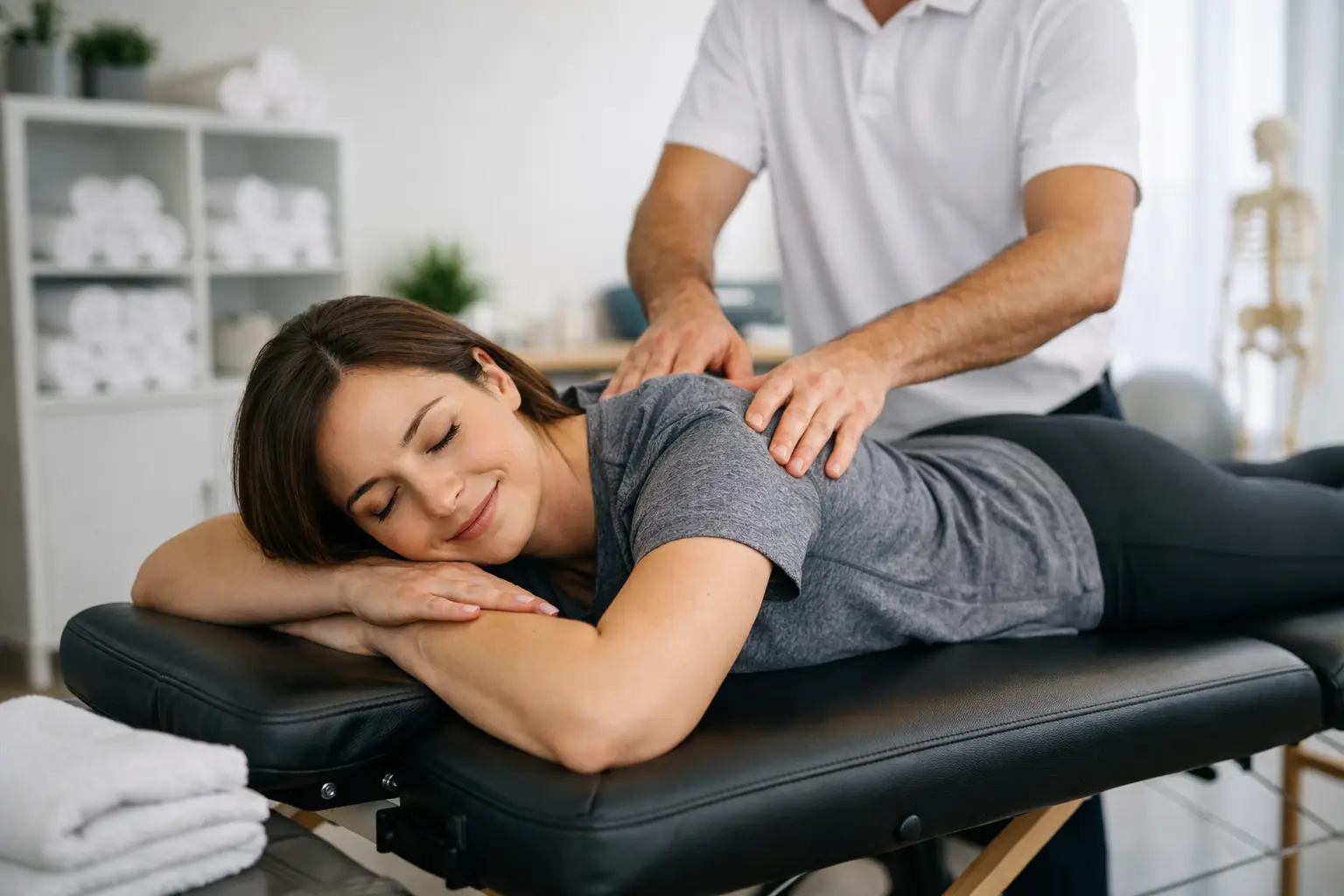
A stressful week rarely stays only in your mind. It often shows up as shoulders that creep toward your ears, a stiff neck after long hours at a desk, shallow breathing, tight hips, or legs that never quite feel recovered. Massage stress relief gives your body a dedicated pause – and when physical tension begins to ease, many people find it easier to settle, rest, and move through the day with less discomfort.
At Warin Thai Massage, the goal is not simply to help you relax for an hour. Each session is adapted to the areas that feel overworked, restricted, or sore, whether that means focused work for your upper back, assisted stretching for tight hips, or a slower, calming approach after an exhausting stretch of work or training.
How Massage Stress Relief Works in the Body
Stress can change the way you hold yourself. You may clench your jaw, brace your shoulders, shorten your stride, or sit in one position for too long without noticing. Over time, those habits can leave muscles feeling tender and movement feeling less natural.
Massage uses skilled pressure, movement, and, depending on the treatment, stretching or warmth to encourage tense soft tissue to release. It also gives you time away from notifications, deadlines, and physical demands. That combination matters. A calmer environment may help your nervous system shift out of its constant alert state, while hands-on work addresses the muscle tightness that has been building in the background.
The result is different for every client. Some people notice immediate lightness through the neck and shoulders. Others feel that their hips, legs, or back move more freely. You may leave feeling deeply relaxed, or simply more comfortable in your own body. Massage is not a cure for every source of stress or pain, but regular, personalized care can be a practical part of managing the physical effects of a demanding routine.
Why Stress Often Feels Like Muscle Pain
Muscles are designed to contract and release. When you are under pressure, recovering from a hard workout, driving long distances, or working at a computer for hours, they may spend too much time in the contracted part of that cycle.
The upper traps, chest, lower back, hip flexors, glutes, and calves are common problem areas. A desk worker may feel a heavy ache between the shoulder blades and limited neck rotation. Someone with a physically demanding job may carry fatigue through the forearms, lower back, and legs. Runners, soccer players, and other active clients may notice that stress compounds the tightness already created by training.
This is why a general relaxation massage is not always enough. The most useful session considers where your body is compensating. For example, shoulder discomfort may be connected to a tight chest and upper back. A feeling of stiffness through the low back may call for attention to the hips, glutes, and legs as well. An attentive therapist can adjust the session around what you are feeling that day.
Choosing the Right Massage Style for Stress
The best treatment depends on how stress is showing up in your body, your comfort with pressure, and whether you want more movement, more warmth, or a traditional oil-based massage. There is no single right choice for everyone.
Traditional Thai Massage for Tightness and Mobility
Traditional Thai massage is performed fully clothed on a raised table. It combines rhythmic pressure with assisted stretches designed to help reduce stiffness and improve comfortable range of motion. It can be an excellent option when stress has left you feeling compressed through the back, hips, legs, or shoulders.
Because the session includes movement, Thai massage often suits clients who want to feel looser and more mobile, not only relaxed. Your therapist can modify stretches to match your flexibility, comfort level, and any sensitive areas. You do not need to be flexible to benefit from it.
Thai-Swedish Combination Massage for Balance
A Thai and Swedish combination massage can be a strong choice when you want both targeted pressure and a calmer, more familiar massage experience. Thai techniques may help address stubborn tightness through acupressure and stretching, while Swedish massage supports relaxation with smooth, flowing work.
This combination works well for people whose stress is both mental and physical: the client who has been sitting all week, sleeping poorly, and feeling tension in the neck, shoulders, and lower back. The exact balance can be adapted during the appointment rather than forced into a one-size-fits-all routine.
Swedish Oil Massage for Deep Relaxation
Swedish oil massage is often the right fit when your body feels generally tired, sore, or overloaded and you want a soothing session with less stretching. The flowing strokes and customized pressure can help warm tight muscles, support circulation, and create space for genuine rest.
Pressure does not need to be intense to be effective. For stress-related tension, overly aggressive work can sometimes cause you to brace more. Clear communication helps your therapist find a pressure that feels productive without making you uncomfortable.
Hot Stone Massage for Persistent Muscle Tension
Heat can be especially comforting when your back, shoulders, or legs feel dense and fatigued. Hot stone massage uses warmed stones alongside massage techniques to help muscles soften gradually. Many clients appreciate it during colder months or after periods of repetitive physical work.
A hot stone and Thai-Swedish combination may be useful if you want the comforting effect of heat along with focused work and gentle mobility support. As with every treatment, the approach should reflect how your body feels that day.
Cupping as a Targeted Add-On Approach
For certain areas of stubborn tightness, a Thai combination oil massage with cupping may be considered. Cupping creates a lifting sensation in the soft tissue rather than the direct downward pressure used in much of massage. Some clients choose it for the back, shoulders, hips, or legs when those areas feel particularly restricted.
It is not for everyone, and temporary marks can occur. Let your therapist know about your preferences, skin sensitivity, and any concerns so you can decide whether it is an appropriate addition to your session.
Get More From Your Massage Appointment
The hour around your massage can influence how you feel afterward. Arrive a few minutes early so you do not bring the rush of traffic or a packed schedule straight onto the table. Before the session begins, explain what has been bothering you: where you feel tightness, what movements feel limited, the pressure you prefer, and whether your goal is stress relief, recovery, or both.
During the massage, give honest feedback. A skilled therapist wants to know if pressure is too light, too intense, or landing on a sensitive area. Silence is welcome, but communication is part of personalized care.
Afterward, give yourself a gentler transition if possible. Drink water, take a short walk, and notice how your body responds over the next day. You may feel relaxed right away, while areas that received focused work can feel temporarily tender. Light movement and rest are often more helpful than jumping immediately into a strenuous workout or another long stretch of desk time.
When Regular Massage Can Help
One session can offer welcome relief after a difficult week, but recurring tension often responds best to consistent attention. The right frequency depends on your work, activity level, stress load, and goals. A competitive athlete in heavy training may need a different schedule than someone managing desk-related shoulder tension.
Rather than booking by habit, pay attention to patterns. Are headaches of tension becoming more common? Are your hips tightening after every workweek? Do you feel less mobile before your usual workouts? These are useful details to share at your next appointment. Your therapist can help tailor a plan around the areas that need ongoing support without promising a result your body may not be ready for.
For clients in St. Catharines and across Niagara Region, a massage appointment can be a simple way to step out of the cycle of tension and give your body focused care. Book your session online, tell us what is bothering you, and give yourself the time to feel better, move better, and live better.
Leave a Reply