 Skip to content

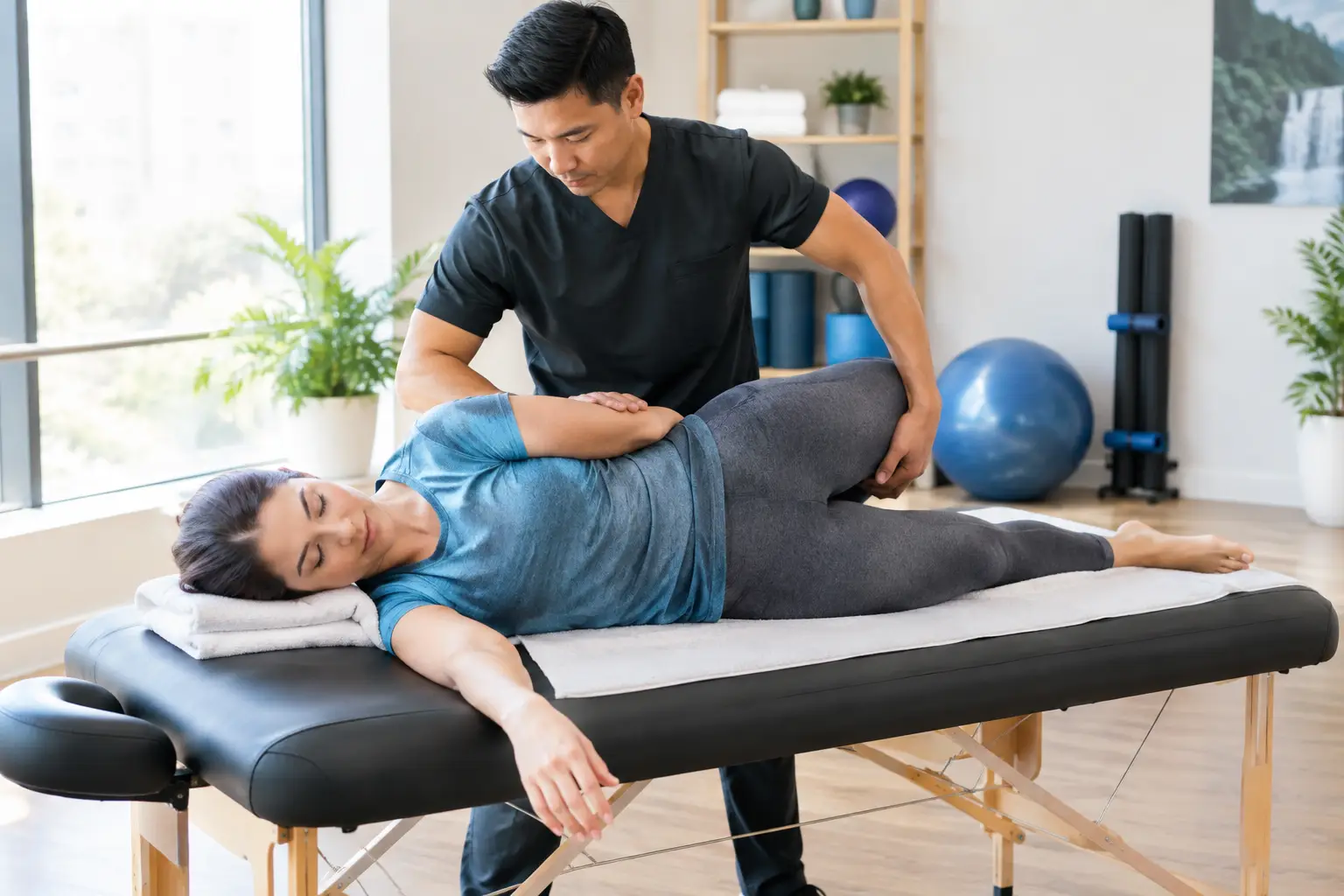
A stiff neck after computer work, tight hips after a long drive, or legs that never quite recover after training can change how you move through the whole day. Niagara Thai bodywork offers a practical, hands-on way to address those patterns with focused pressure, supported stretching, and time to slow down.
Rather than following the same routine for every client, Thai bodywork can be adapted around the areas that need the most attention. For many people in St. Catharines and across Niagara, that means a session focused on the shoulders and upper back, hips and legs, or the low back muscles that work overtime to compensate for limited movement elsewhere.
What Niagara Thai Bodywork Involves
Traditional Thai bodywork is performed with the client fully clothed on a raised massage table. The therapist uses hands, palms, thumbs, forearms, and carefully guided stretches to work through areas of muscular tightness. The experience is active in a gentle way: you are supported through movements that may be difficult to create on your own when your body feels restricted.
The pressure and pace should always reflect your comfort level. Some clients prefer a firmer session that focuses on long-standing tension in the hips, glutes, shoulders, or legs. Others need a calmer approach that combines relaxation with steady, targeted work. Clear communication matters throughout the session, especially if you are new to Thai massage or returning after a physically demanding week.
Thai bodywork is different from a typical oil massage, but it does not have to be an all-or-nothing choice. It can be paired with Swedish massage techniques, warm stones, oil massage, or cupping when those approaches better match your goals for the day.
Why Assisted Stretching Can Feel So Different
Most of us stretch only when we remember to, and even then, we tend to repeat the same few movements. Assisted stretching creates an opportunity to move with more support and intention. Your therapist helps guide the body into positions that encourage length through tight muscle groups without asking you to force the movement.
This can be especially useful for people who spend hours seated. Desk work often leaves the chest, hip flexors, upper back, and neck feeling compressed or overworked. A session may include gentle movement for the hips and legs, opening through the chest and shoulders, and focused pressure around the upper back where tension commonly gathers.
For active clients, the benefit is often less about one big stretch and more about restoring a sense of ease between movements. Soccer players, runners, gym-goers, and people with physical jobs may notice recurring tightness in the calves, hamstrings, quads, hips, or low back. Thai bodywork can support recovery by giving these areas focused attention while encouraging a more comfortable range of motion.
Results vary from person to person. A single session can leave you feeling lighter and more mobile, while deeper or recurring tension may respond best to regular care and thoughtful changes to your daily movement habits.
Acupressure for Areas That Hold Tension
Acupressure is another central part of Thai bodywork. It uses sustained, deliberate pressure along muscles and common tension points rather than quick, generalized rubbing. When applied with care, this approach can help ease the feeling of knots and muscular guarding that makes ordinary movement uncomfortable.
The goal is not to push through pain. Productive pressure can feel intense in a tight area, but it should remain manageable. A skilled therapist checks in, adjusts technique, and gives the body time to respond. This client-centered approach is particularly valuable when one side feels tighter than the other or when a specific area has been bothering you for weeks.
For example, shoulder discomfort is not always only a shoulder issue. Tension can build through the upper back, chest, neck, and arms from posture, repetitive work, or stress. A personalized session looks at the broader pattern while staying focused on what you actually feel and need.
Which Type of Bodywork Fits Your Needs?
The best choice depends on your comfort with pressure, whether you prefer to remain fully clothed, and the kind of relief you are looking for. Traditional Thai massage is a strong fit for clients who want assisted stretching, acupressure, and focused work without oil.
A Thai-Swedish combination can be a good middle ground. It brings together Thai stretching and pressure techniques with the flowing strokes of Swedish massage. This option often suits clients who want both mobility-focused work and deep relaxation.
If your muscles feel especially fatigued or you prefer a more familiar massage-table experience, Swedish oil massage may be the better choice. Hot stone treatments add steady warmth that can help tight muscles relax before more focused massage work. A Thai combination oil massage with cupping may suit clients who want a targeted session for stubborn muscular tightness and are comfortable with that modality.
There is no prize for choosing the most intense treatment. The right session is the one that matches your body, your goals, and how you want to feel when you leave.
What to Expect at Your First Session
Your first appointment should begin with a brief conversation about what is bothering you, what activities affect it, and what you hope to get from the treatment. Mention areas such as neck stiffness, shoulder tension, sore legs, hip tightness, or discomfort that appears after sitting, working, or exercising. It also helps to share what kind of pressure you usually enjoy and whether you have had Thai massage before.
For a traditional Thai session, wear comfortable clothing that allows you to move easily. Think soft, flexible fabric rather than restrictive jeans or anything that makes stretching uncomfortable. You do not need to perform the stretches yourself. Your role is simply to relax, breathe normally, and let your therapist know if a position or pressure needs adjustment.
Afterward, many clients feel calm, open, and pleasantly tired. Drinking water, taking a light walk, and avoiding an unusually strenuous workout immediately afterward can help you pay attention to how your body responds. Some areas may feel tender after focused work, particularly if they have been tight for a long time. Gentle movement is often more comfortable than staying completely still.
Make Bodywork Part of How You Care for Movement
Thai bodywork is most useful when it supports the life you actually lead. If work keeps you at a desk, regular sessions can become a reset point for your neck, shoulders, back, and hips. If your job requires lifting, standing, or repetitive motion, targeted care can help you stay aware of tension before it becomes the only thing you notice. If you train regularly, it can be a valuable part of a recovery routine centered on mobility and muscle comfort.
Consistency does not necessarily mean frequent appointments forever. Some clients benefit from a closer series of sessions when tension is high, then choose maintenance visits when they notice early signs of stiffness. Others book around demanding work periods, athletic events, or seasonal changes in activity. Your needs can change, and your massage plan can change with them.
At Warin Thai Massage, each appointment is shaped around your priorities, whether you need deeper work for overworked legs, supported stretching for tight hips, or a quiet session that helps your whole body settle. Book your session online and give yourself dedicated time to feel better, move better, and live better.
Leave a Reply