 Skip to content

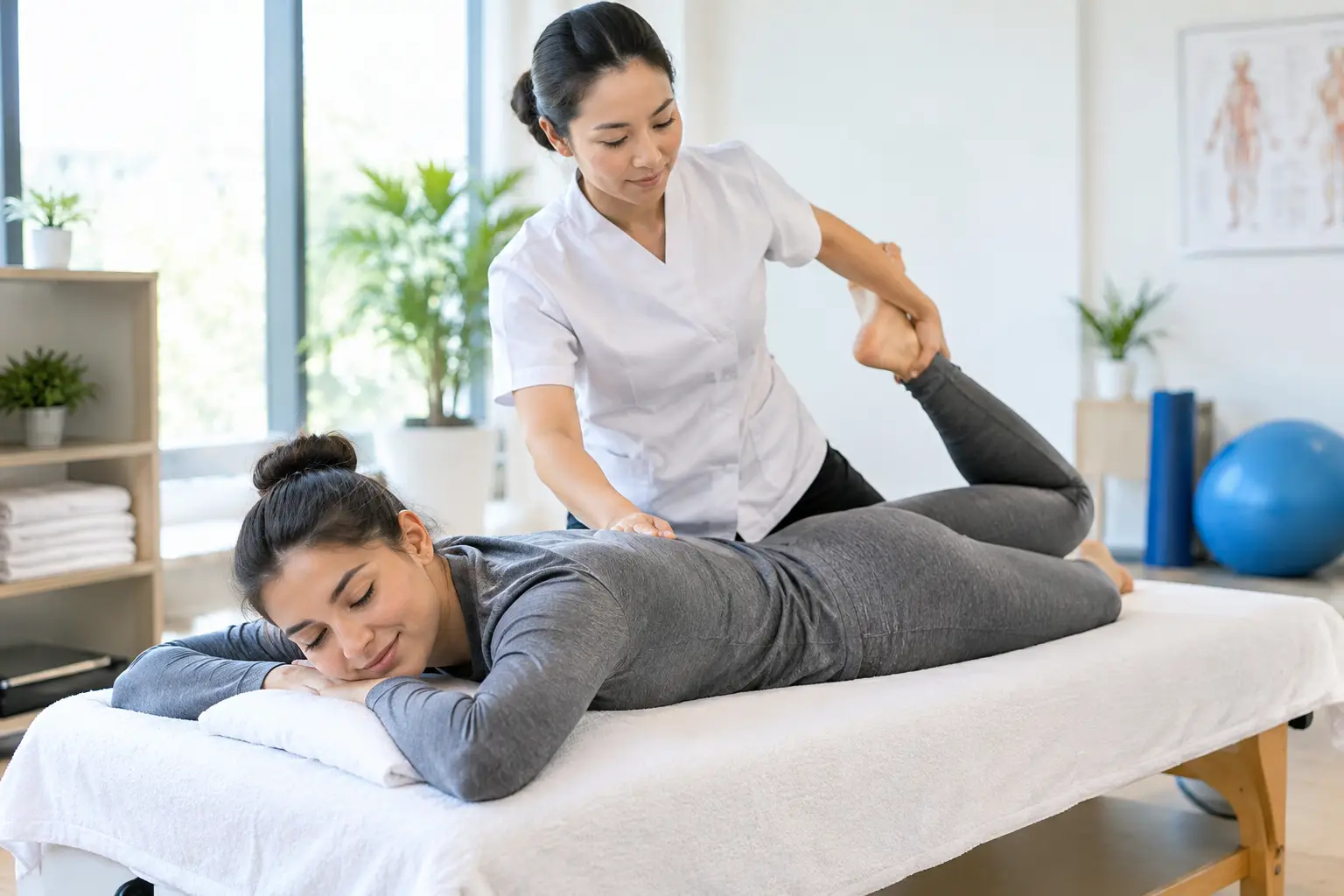
A Thai massage can feel very different from the massage many people expect. Instead of simply lying still while one area is worked at a time, you may move through supported stretches, steady acupressure, and focused work for tight muscles. Preparing for a Thai massage session helps you arrive comfortable, communicate clearly, and get more from the time set aside for your body.
Whether your goal is to ease desk-related shoulder tension, recover after a demanding shift, or move more freely after training, a little preparation can make the experience feel calmer from the start.
Preparing for a Thai Massage Session: Start With Comfort
Traditional Thai massage is typically performed fully clothed on a raised table. Your therapist may use hands, palms, forearms, and body positioning to apply pressure and guide gentle, assisted stretches. The goal is not to push your body into positions it is not ready for. It is to work with your current range of motion and help areas that feel restricted, tense, or fatigued begin to release.
Choose clean, comfortable clothing that lets you bend and stretch easily. Soft athletic wear, a T-shirt, and flexible pants or leggings are usually ideal. Avoid stiff jeans, restrictive waistbands, bulky layers, or clothing with hard buttons and zippers that may press into you on the table.
If you booked an oil massage, hot stone massage, or a Thai-Swedish combination treatment, the clothing setup will be different. Your therapist will explain what to expect and use professional draping throughout the session. It is still helpful to arrive in clothes that are easy to change out of and back into afterward.
Comfort is not about looking a certain way. It is about allowing your body to settle without distraction.
Eat Lightly and Give Yourself Time
Try not to arrive overly hungry, but avoid a large, heavy meal immediately before your appointment. A light meal or snack beforehand is often the more comfortable choice, especially if your session includes stretching or focused work around the hips, back, and legs.
Have some water during the day and consider bringing water for afterward. Massage can leave you feeling deeply relaxed, and staying hydrated is a simple way to support your comfort as you return to work, errands, or home.
If possible, plan to arrive a few minutes early. Rushing through traffic, taking a work call in the parking lot, or walking in at the exact start time can make it harder to settle into the session. A little breathing room allows you to use the restroom, silence your phone, and shift your attention away from the day.
There is no need to make a full day of it. But if your schedule allows, avoid planning an intense workout or physically demanding task immediately afterward. Many clients feel lighter and more mobile after Thai massage, while others prefer a quieter evening and an earlier night. Your response can depend on the pressure used, the areas addressed, and how much tension you were carrying beforehand.
Share What Your Body Has Been Telling You
The most useful information you can bring to a session is simple and specific. Before the massage begins, let your therapist know what has been bothering you and how it affects your daily movement.
For example, you might mention that your neck gets tight after computer work, your hips feel limited when you squat, or one shoulder starts aching after a long shift. If you play soccer, lift weights, run, or work in a physically demanding role, share the movements that feel difficult or repetitive. These details help guide the session toward the areas that need attention rather than following a one-size-fits-all routine.
It also helps to describe what feels good and what does not. Some people enjoy firm, sustained pressure. Others need a lighter approach around sensitive shoulders, calves, knees, or lower back. Thai massage is adaptable, and clear communication gives your therapist the information needed to make the work productive without making it overwhelming.
You do not need to know the right terminology. Plain language is enough. Saying, “It feels tight when I turn my head,” or “My hamstrings pull when I bend forward,” is useful.
Speak Up During the Massage
A productive massage can involve pressure, stretching, and the sensation of a tight area gradually softening. It should not require you to silently tolerate sharp, pinching, or alarming discomfort.
If the pressure feels too strong, the stretch feels too deep, you feel cold, or your position is uncomfortable, say so right away. Small adjustments can make a significant difference. Your therapist can change pressure, use more support, alter the angle of a stretch, or focus on another area.
This is especially important for first-time Thai massage clients. You may be used to a Swedish oil massage where the experience is mostly still and quiet. Thai massage can be more interactive, but it should still feel safe, supported, and respectful of your limits.
The same applies to focused modalities such as hot stone or cupping. Let your therapist know about any skin sensitivity or areas you prefer to avoid. Cupping may leave temporary circular marks for some clients, so it can be a good option to discuss before the session rather than a surprise at the end.
Set Realistic Goals for Your First Visit
One session can help you feel looser, calmer, and more aware of where you carry tension. It may improve how comfortably you move through the rest of your day. Still, long-standing tightness from repetitive work, training, posture habits, or stress often benefits from consistent care rather than a single appointment.
A helpful goal is to leave feeling more comfortable and informed, not to force every tight area to disappear at once. Sometimes the best result is noticeable relief in the shoulders and easier rotation through the neck. Other times, a session may reveal that the hips and legs are contributing to the tension you feel in your back.
Your therapist can adapt the session to what is most useful that day. A client coming in after a difficult workweek may benefit from a calming Thai-Swedish combination. Someone preparing for or recovering from athletic activity may prefer more attention to the legs, hips, and mobility. There is no single best choice for everyone.
What to Expect After Your Thai Massage
After the session, stand up gradually and give yourself a moment before heading out. Deep relaxation can make the transition back to a busy day feel surprisingly noticeable. You may feel open and energized, or pleasantly quiet and ready for rest.
Gentle walking, regular meals, water, and a comfortable evening are often enough. If you feel tender in areas that received focused work, treat that as useful feedback for your next visit. Let your therapist know how your body responded so future sessions can be adjusted.
Pay attention to everyday changes, too. You may notice it is easier to sit at your desk without shifting as often, turn your head while driving, move through a workout, or get comfortable at night. Those practical improvements matter because massage is most valuable when it supports how you live and move outside the studio.
A Calm Start Makes a Better Session
Preparing for Thai massage session time does not need to be complicated. Wear flexible clothing, eat lightly, arrive with a few extra minutes, and be honest about what is tight, sore, or limited. Then let the session meet you where you are.
At Warin Thai Massage in St. Catharines, each appointment is shaped around your comfort, movement goals, and areas of tension. Book Your Session when you are ready to feel better, move better, and give your body the attentive care it has been asking for.
Leave a Reply