 Skip to content

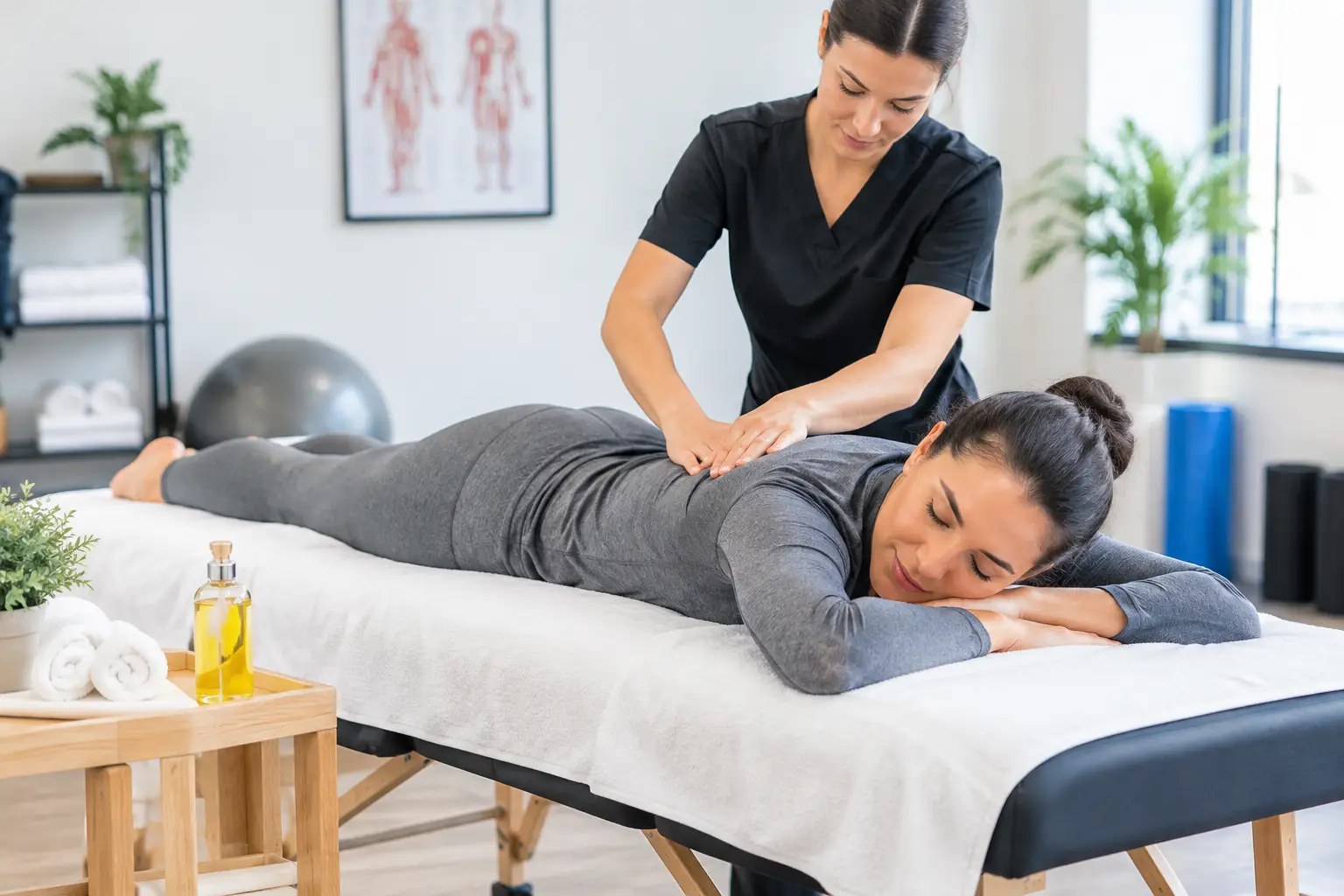
A stiff neck after a long day at the desk, heavy legs after a shift, or shoulders that never seem to let go can make even ordinary movement feel tiring. Swedish oil massage offers a calm, practical way to address that built-up tension through smooth, attentive hands-on bodywork. It is not about rushing through a routine. The best session responds to where your body feels tight, sore, overworked, or simply in need of rest.
At Warin Thai Massage, Swedish oil massage is tailored to the person on the table. Pressure, pace, and focus areas can be adjusted to support meaningful relief while keeping the experience comfortable from start to finish.
What is Swedish oil massage?
Swedish oil massage is a table-based massage that uses massage oil or lotion to help the therapist work smoothly across the muscles. Long gliding strokes are commonly combined with kneading, gentle friction, and focused pressure. These techniques can help relax surface tension, encourage circulation, and leave the body feeling lighter and easier to move.
Because oil reduces drag on the skin, the therapist can use fluid strokes that cover broader areas such as the back, legs, arms, and shoulders. This makes Swedish massage a strong choice for people who want both targeted muscle work and a deeply relaxing full-body experience.
The pressure can range from light to firm. A lighter session may be ideal when stress, fatigue, or sensitivity is the main concern. Moderate or firmer pressure may be more useful for persistent tightness in the upper back, hips, calves, or shoulders. More pressure is not automatically better. The right amount is pressure that feels productive without making you brace or hold your breath.
How Swedish oil massage supports everyday movement
Muscles can become tense for many reasons: repetitive work, long drives, training, poor sleep, stress, or spending hours in one position. Massage cannot remove every cause of discomfort, but it can give tight areas the opportunity to soften and recover.
Swedish oil massage is often chosen for its ability to create both physical and mental relief. Slow, consistent strokes can help settle a busy nervous system, while focused work can address the muscle tension that makes turning your head, reaching overhead, squatting, or walking feel less comfortable.
Relief for common tension areas
Many clients arrive with a familiar pattern of discomfort. Desk work can leave the neck, chest, shoulders, and upper back feeling compressed. Physical jobs may create fatigue through the lower back, forearms, legs, and feet. Active clients often notice tight calves, hamstrings, hip flexors, glutes, or shoulders after training.
A personalized Swedish massage can spend more time where it matters most. If your shoulders feel overloaded, the session does not need to treat every area equally. If your legs are tired after standing or sports, they can receive more attention. Letting your therapist know what has been bothering you, what activities you do, and how you want to feel afterward helps guide the session.
Better circulation and a sense of ease
The flowing strokes used in Swedish massage are commonly associated with improved circulation in the treated tissues. Many people notice warmth in the muscles and a relaxed, refreshed feeling afterward. That can be especially welcome when the body feels heavy from sitting, standing, or repetitive motion.
The benefit is not only physical. When the jaw is clenched, the shoulders are lifted, and breathing has become shallow, relaxation can feel out of reach. A quiet massage session gives the body time to slow down. Clients often leave feeling calmer, less wound up, and more aware of where they have been carrying tension.
What happens during a Swedish oil massage session?
A good session begins with a conversation. Before massage starts, your therapist should ask about your main concerns, pressure preferences, and any areas you would like addressed or avoided. You do not need technical language. Saying, “My right shoulder feels tight when I reach,” or “My legs are sore after work,” gives useful direction.
You will be professionally draped throughout the treatment, with only the area being worked on uncovered. Oil is applied gradually as needed. The therapist may begin with broader warming strokes, then use more focused kneading or pressure in areas of tension before returning to slower, soothing movements.
Communication is encouraged. If pressure feels too light, too intense, or uncomfortable, say so in the moment. The goal is not to endure pain. Your comfort allows the muscles to relax, which usually makes the work more effective and the experience more enjoyable.
Afterward, take a moment before getting up. Some people feel energized, while others feel deeply relaxed. Drinking water, moving gently, and allowing a little extra time in your day can help you enjoy that post-massage ease.
Swedish oil massage versus Thai massage
Swedish oil massage and traditional Thai massage can both help with tension, mobility, and relaxation, but they feel quite different.
Traditional Thai massage is usually performed fully clothed on a raised table. It uses assisted stretching, rhythmic compression, and acupressure-style techniques to help improve flexibility and movement. It can be particularly helpful for clients who feel stiff through the hips, legs, back, or shoulders and want a more active approach.
Swedish oil massage is generally more fluid and calming. Rather than assisted stretches, it focuses on gliding strokes and hands-on work directly through the muscles with oil. For someone who wants to fully rest, release general stress, or soothe widespread muscle tension, Swedish massage may be the better fit.
It also does not have to be an either-or decision. A Thai-Swedish combination can bring together assisted stretching and targeted oil massage. This is often a useful option for people who want help with both range of motion and muscle relaxation, particularly when hips, legs, back, and shoulders all need attention.
Who may benefit most from a Swedish massage?
Swedish oil massage works well for first-time massage clients because it is familiar, adaptable, and easy to personalize. It is also a dependable choice for returning clients who know they need a reset after a demanding week.
It may be especially suitable if you want to relax while addressing general muscle soreness, feel stiff from sitting or standing, have tension in your neck and shoulders, or need recovery support after regular activity. Athletes and active adults may appreciate a session focused on tired legs, calves, hips, or upper-body tightness, though the right approach depends on how recently and intensely they trained.
If you have an injury, a new or unexplained symptom, are recovering from a procedure, are pregnant, or have a health concern that could affect massage, share that information before booking. A qualified health professional can advise you when massage is appropriate. Your massage therapist can then adapt the session or recommend avoiding certain areas when necessary.
Make your massage work harder for you
The most helpful preparation is simple: arrive a few minutes early, wear clothing that is easy to change out of, and be clear about what you need. You do not have to choose the perfect treatment language before you arrive. Describing your daily routine and trouble spots is often enough.
Try to think beyond the question, “How tight am I?” Consider what you want to do more comfortably. Maybe you want to turn your head while driving without that familiar pull in your neck. Maybe you want to get through a work shift with less heaviness in your legs, return to the gym feeling less restricted, or sleep without your shoulders feeling tense.
For clients in St. Catharines and across the Niagara region, a personalized Swedish oil massage can be a quiet, effective part of caring for an overworked body. Book your session online with Warin Thai Massage, share what needs attention, and give yourself time to feel better, move better, and live better.
Leave a Reply