 Skip to content
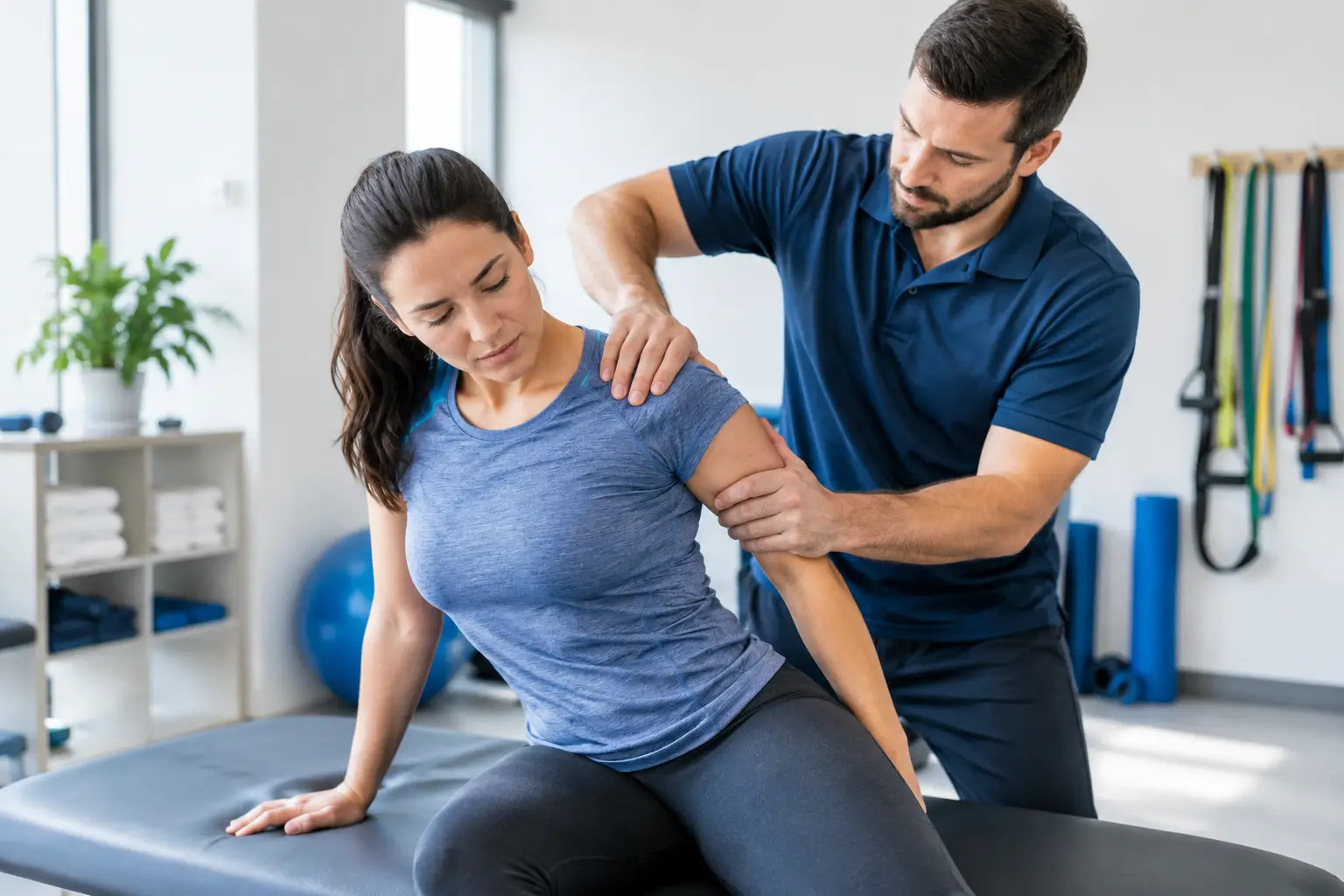
A stiff neck after a long day at the computer, calves that pull after a run, or hips that never quite feel loose can make simple movement feel harder than it should. So, why do muscles feel tight? The sensation can come from overuse, sitting in one position, stress, recovery demands, or the body’s natural effort to protect an area that feels overloaded.
Muscle tightness is common, but it is not always as simple as a muscle being physically short. Often, it is a message from your nervous system and tissues that they need a change: more movement, more recovery, less strain, or focused hands-on care. Understanding the likely cause can help you choose the most comfortable and effective next step.
What “Tight” Muscles Can Actually Mean
Tightness is a feeling, not one single condition. A muscle may feel firm, sore, restricted, heavy, or resistant when you try to stretch it. You may also notice that one side of your body moves differently than the other.
Sometimes a muscle is temporarily tense after working hard. Other times, surrounding tissues are sensitive, circulation has been limited by prolonged stillness, or your body is guarding an area after irritation or strain. That is why aggressive stretching does not always solve the problem. If the body is asking for rest and recovery, pushing harder can leave you feeling more uncomfortable.
The goal is not to force every muscle to become loose. It is to help your body feel safe and supported enough to move with less resistance.
Common Reasons Muscles Feel Tight
Repetitive work and exercise
Muscles often tighten after repeating the same movement for hours or days. This can happen after lifting, running, cycling, a demanding shift, yard work, or a new workout routine. Your muscles are adapting to load, and the sensation may be strongest when recovery has not kept pace with activity.
Athletes may notice tight hamstrings, calves, hip flexors, or shoulders after training. People in physical jobs may feel it through the low back, forearms, neck, and legs. The answer is not always complete rest. Gentle movement, sleep, hydration, and a gradual return to activity can all support recovery.
Long periods of sitting or standing
The body is built to change positions. When you stay at a desk, behind the wheel, or on your feet for long stretches, some muscles work continuously while others remain underused. The shoulders may creep upward, the chest may feel closed, and the hips and legs can begin to feel stiff.
For desk workers, neck and upper-back tension often builds slowly. You may not notice it until you turn your head, reach overhead, or try to relax at the end of the day. Short movement breaks can help, especially when they include walking, changing posture, and easy shoulder or hip motion rather than one intense stretch.
Stress and shallow breathing
Stress does not stay only in the mind. Many people brace through the jaw, shoulders, ribs, hands, and stomach without realizing it. When breathing becomes shallow, the upper chest and neck may take on more work than they need to.
This is why a stressful week can leave your shoulders feeling as tight as a hard workout. Slowing down, using comfortable full breaths, and receiving calming bodywork can help shift the body away from that constant braced feeling.
Limited recovery
Muscles repair and adapt during recovery, not only during activity. Poor sleep, inconsistent meals, dehydration, and a packed schedule can all make your body feel less resilient. You may wake up stiff, feel unusually sore after normal activity, or find that the same tense spots return quickly.
Hydration matters, but it is not a cure-all. Drinking water supports normal body function, yet persistent tightness usually responds best to the bigger picture: movement variety, recovery time, appropriate exercise load, and attention to posture or work habits.
Protective tension after irritation or injury
When an area feels vulnerable, the body may limit movement by increasing tension around it. This protective response can be useful in the short term, but it may become frustrating if you continue to move cautiously long after the original irritation has settled.
In these cases, the best approach depends on what feels sensitive and how long it has been going on. Gentle mobility and carefully adapted massage may feel better than deep pressure or forceful stretching. A skilled therapist should always work within your comfort level and adjust the session as your body responds.
Why Do Muscles Feel Tight Even When You Stretch?
Stretching can feel good, but more stretching is not always better. If you repeatedly stretch a muscle that is already irritated or overworked, it may temporarily feel looser and then tighten again soon afterward.
Consider what happens before and after the tightness appears. If your calves tighten after long runs, they may need a better balance of training load, recovery, and ankle mobility. If your upper back tightens after computer work, frequent posture changes and upper-body movement may be more useful than one long stretch at night.
A massage session can also support this process by easing areas that are working too hard and helping you become more aware of where you hold tension. Traditional Thai massage is particularly helpful for people who feel generally restricted, because it combines assisted stretching with focused acupressure. Swedish massage, hot stone massage, and cupping may be better choices when relaxation, warmth, or targeted work on a stubborn area is the priority.
Everyday Ways to Ease Muscle Tightness
Start with small changes you can repeat. A five-minute walk between tasks may do more for a stiff body than waiting for one long workout on the weekend. If you sit most of the day, stand up regularly and let your arms swing naturally as you walk.
Choose movement that feels manageable. Slow bodyweight squats, gentle hip circles, shoulder rolls, easy neck motion, or a relaxed walk can help you reconnect with comfortable range of motion. Avoid bouncing or forcing a stretch into sharp discomfort.
Heat can be soothing for general stiffness, especially before light movement. After an intense activity, some people prefer a cooler approach if an area feels hot or irritated. Pay attention to your response rather than following a one-size-fits-all rule.
It also helps to look at the pattern. Is tightness worse after certain workouts, sleeping positions, workdays, or stressful periods? A simple note on your phone can reveal useful clues and make it easier to adjust your routine.
When It Is Time to Get Extra Support
Occasional tightness that improves with movement and rest is common. However, new or worsening pain, significant swelling, numbness, tingling, weakness, fever, unexplained symptoms, or pain after a serious fall or accident deserves prompt attention from an appropriate health professional.
For ongoing muscle tension without those warning signs, personalized bodywork can be a practical part of your care routine. The right pressure and technique should never feel like something you have to endure. Clear communication matters, especially if you have a sensitive low back, recurring sciatica-like discomfort, tight hips, or tension around the neck and shoulders.
At Warin Thai Massage in St. Catharines, each session can be adapted to the areas that are affecting your movement most. Whether your body needs assisted stretching, focused pressure, calming oil massage, hot stones, or a combination approach, the aim is to help you leave feeling more comfortable in your body.
Your muscles do not need to feel perfectly loose to feel better. Often, progress looks like turning your head more easily, walking with less stiffness, recovering more comfortably after activity, or simply finishing the day without carrying all of it in your shoulders. Book your session online and give your body focused time to feel better, move better, and live better.
Leave a Reply