 Skip to content
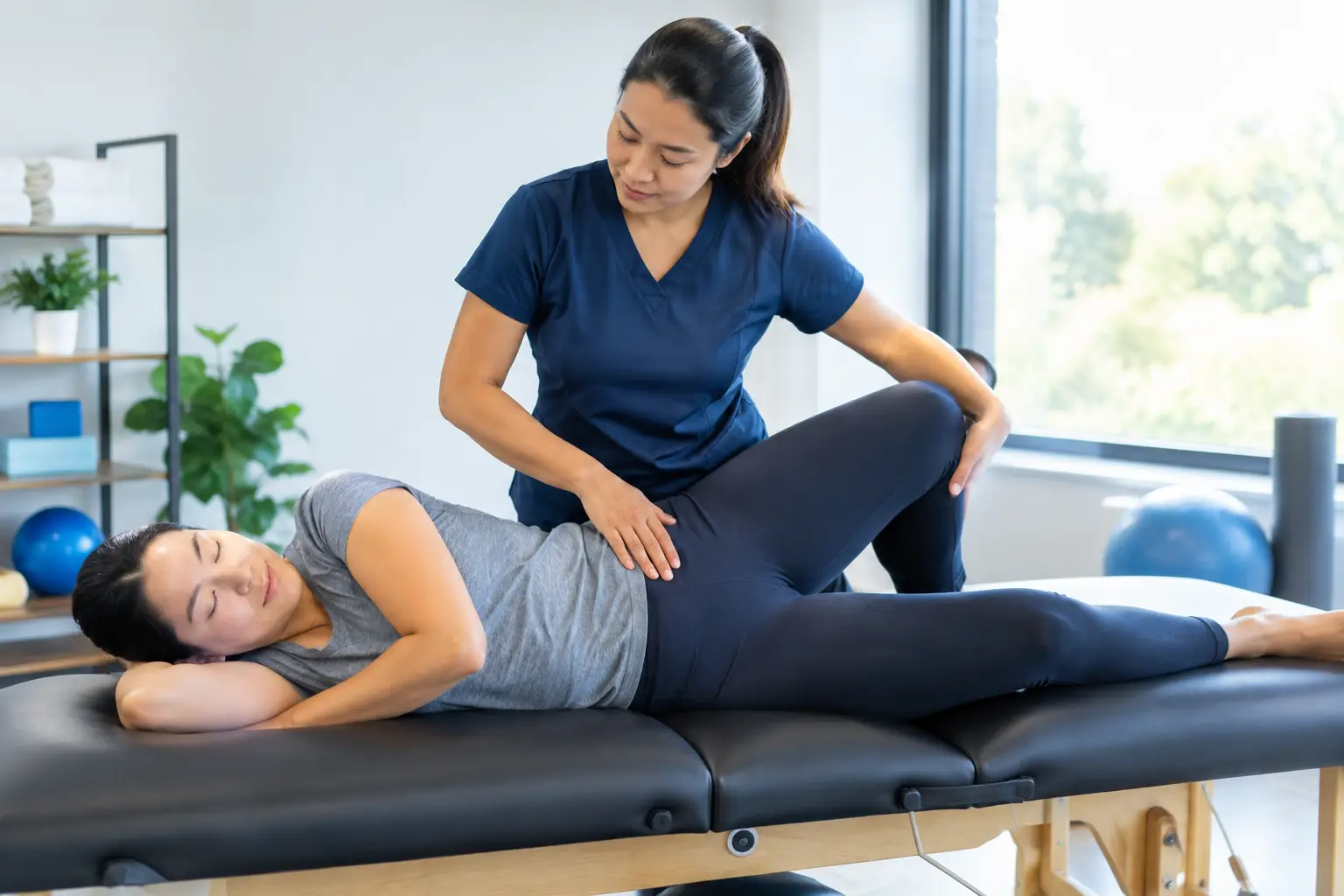
A Thai massage can feel very different from a typical oil massage. Your therapist may use steady pressure along tight muscles, guide your limbs through assisted stretches, and work areas that have been holding tension for weeks or months. Some Thai massage discomfort can be expected, especially around the shoulders, hips, legs, and upper back. But a good session should never leave you feeling like you have to endure pain to get results.
The difference comes down to sensation, communication, and how your body responds. Thai massage is meant to help you feel better, move more freely, and relax more deeply – not push your body past its limits.
Why Thai Massage Can Feel Intense
Traditional Thai massage combines acupressure-style pressure with assisted stretching. It is typically performed fully clothed, with the therapist using hands, palms, forearms, elbows, and body positioning to work with the muscles and improve mobility.
If you spend long hours at a desk, lift at work, train regularly, or drive for extended periods, your muscles may become guarded. The body often adapts to repetitive positions by holding tension in predictable places: the neck, shoulders, low back, glutes, calves, and hip flexors. When focused pressure reaches those tight areas, it can create a strong, tender sensation.
Stretching can also feel unfamiliar. A skilled therapist is not forcing your joints into a position. Instead, they use controlled movement and support to help lengthen tight tissues gradually. For someone with limited flexibility, even a gentle assisted hip or hamstring stretch may feel more intense than expected.
That intensity is not automatically a problem. The key is whether it feels productive and manageable, or sharp, alarming, and overwhelming.
Thai Massage Discomfort vs. Pain
A useful way to judge pressure is to notice whether you can breathe normally and allow the area to soften. Productive discomfort often feels like a deep ache, stretching sensation, or tenderness that eases when the pressure is released. You may feel relief, warmth, or greater ease of movement afterward.
Pain feels different. It may be sharp, pinching, burning, electric, numb, or suddenly severe. You may tense up, hold your breath, pull away, or feel that your body is bracing against the work. Those are clear signs to speak up immediately.
Pain is not proof that the massage is working. In fact, excessive pressure can make a guarded muscle tighten further, which works against the goal of the session. Effective bodywork respects the line between helpful intensity and too much intensity.
A little tenderness the next day can happen after deeper work or a session focused on areas that have been especially tight. It should be mild and temporary rather than disruptive. If discomfort feels unusual, severe, or does not settle, it is sensible to pause strenuous activity and seek appropriate guidance from a qualified health professional.
What Affects How a Session Feels
No two people experience Thai massage the same way. Your comfort level can change from one appointment to the next based on your activity, stress level, sleep, hydration, and the amount of tension you are carrying that day.
Your daily habits and workload
A computer-based job can leave the chest, neck, and upper back feeling compressed. Physical work can create fatigue through the legs, forearms, and low back. Athletes may arrive with tight calves, quads, hips, or shoulders after training. Focused massage can be especially noticeable in these areas because they are already working hard.
Your experience with bodywork
First-time clients sometimes expect massage to feel either completely light or intensely painful. In reality, the best pressure is usually somewhere in between. It is specific enough to address tension while remaining within a range that lets you stay relaxed.
If you are new to Thai massage, starting with moderate pressure is often wise. Your therapist can always increase pressure gradually once they understand how your body responds.
The technique being used
A Thai-Swedish combination massage, oil massage, hot stone treatment, or cupping session may feel different from fully clothed Thai massage. Swedish techniques generally use gliding strokes that can feel soothing and calming, while Thai stretching may bring a stronger sense of lengthening through the hips, legs, and back.
Hot stones can help muscles relax before focused work, though the stones should always feel comfortably warm, never too hot. Cupping can leave temporary circular marks and may create a pulling sensation. Tell your therapist if any modality feels too strong or is not right for you that day.
How to Communicate During Your Massage
You do not need to wait until the end of the appointment to mention discomfort. Good massage is collaborative. A few clear words can help your therapist adjust the session in the moment.
You might say, “That pressure is a little too much,” “Can we go lighter there?” or “I feel a sharp sensation in that position.” You can also ask for more pressure if the work feels too light, but gradual changes are usually more comfortable than jumping immediately to deep pressure.
Be specific about sensitive areas before the session begins. Let your therapist know about recent strains, areas that are sore to the touch, skin sensitivity, reduced mobility, or any health considerations that could affect your comfort. If you are under care for an injury or health condition, check with the appropriate provider before booking bodywork and share relevant guidance with your massage therapist.
During stretching, it helps to avoid “helping” by forcing yourself deeper into the position. Let your therapist support the movement, breathe slowly, and signal when you have reached a comfortable limit. A stretch does not need to be maximal to be useful.
Ways to Feel More Comfortable Before and After
A few simple choices can make your experience more comfortable. Wear loose, flexible clothing for traditional Thai massage, ideally something you can move in easily. Arrive a few minutes early so you are not rushing into the session with your shoulders already tense.
Before your appointment, eat lightly if needed and drink water as you normally would. Avoid scheduling an intense workout immediately beforehand if your muscles are already fatigued. If you have had a demanding training session or a physically demanding workday, tell your therapist so the session can be adapted.
Afterward, give yourself a little space to notice how you feel. Gentle walking and normal movement can be helpful, while a hard workout may not be the best choice if your muscles feel worked. Continue to drink water, rest if you need it, and pay attention to areas that feel looser or more mobile.
When a Different Approach May Be Better
Sometimes the right answer is not more pressure. If your body is especially sensitive, you are returning after a long break from massage, or you feel stressed and depleted, a gentler approach may provide more benefit. Swedish oil massage or a Thai-Swedish combination can offer relaxation while still addressing targeted tension.
Likewise, a shorter focused session can be a better starting point than trying to address every tight area at once. Consistent, well-paced care often supports better comfort and mobility than one overly intense appointment.
At Warin Thai Massage in St. Catharines, each session can be adapted to your goals, whether you want help easing desk-related shoulder tension, recovering from active training, or improving flexibility through careful assisted stretching. The conversation before and during your session matters as much as the technique itself.
The Right Feeling Is Relief, Not Endurance
Thai massage should challenge tight muscles gently enough that your body can respond, not fight back. Some tenderness, stretching, and deep pressure can be part of a productive session. Sharp pain, numbness, burning, or a feeling that you must grit your teeth are not things to push through.
Book your session online when you are ready for personalized care that meets you where your body is today. With clear communication and the right level of pressure, you can feel better, move better, and leave with a calmer, more comfortable body.
Leave a Reply